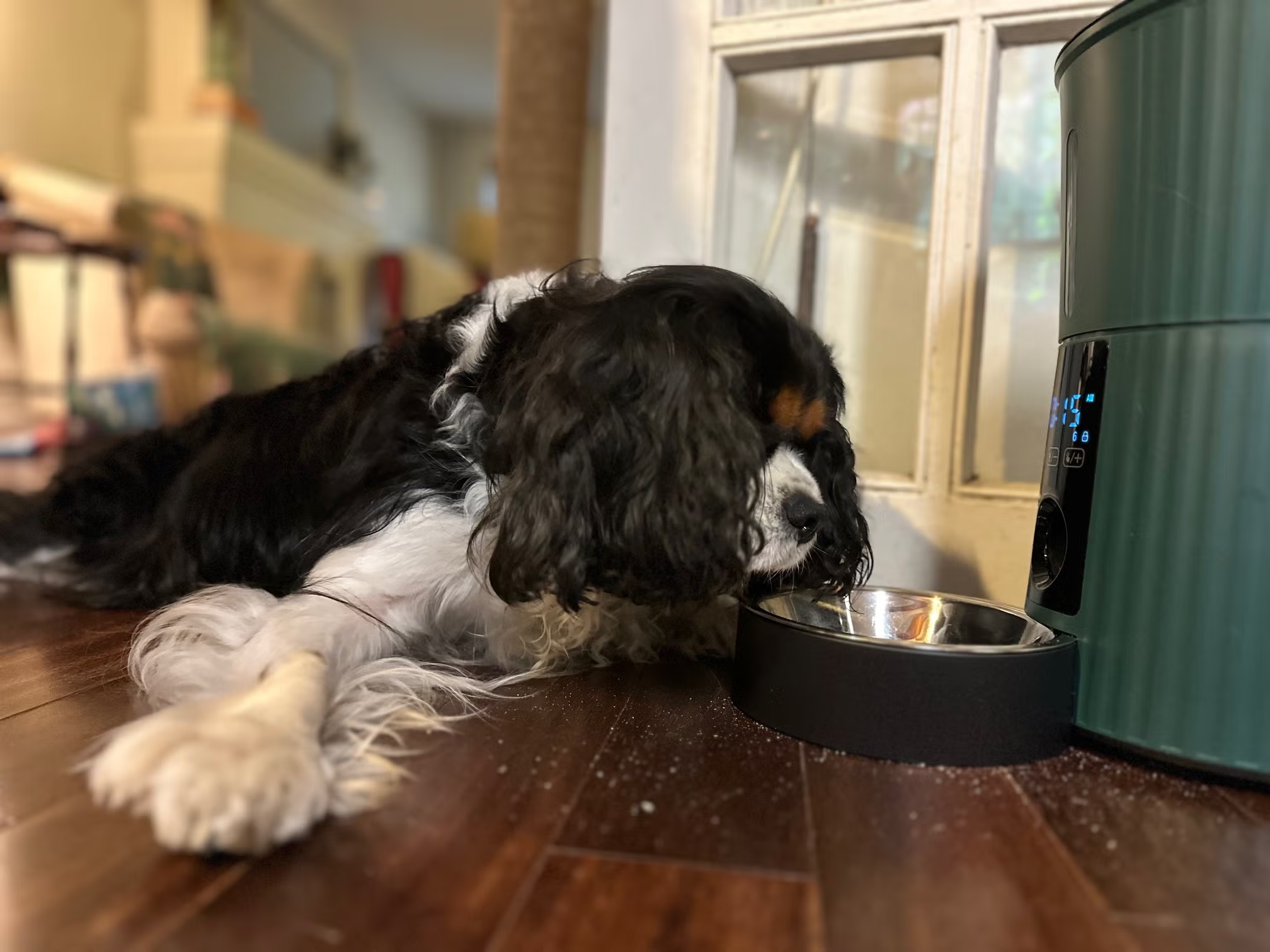
Feeding my dog has always been one of the most grounding parts of my day. The sound of kibble hitting the bowl, the excited tail thumps against the wall, and the eager eyes locked on me create a rhythm that feels personal and meaningful. For a long time, I believed that hand-feeding twice a day was the only responsible way to manage meals. It felt attentive and involved, and I liked knowing exactly when and how much my dog was eating.
Life, however, does not always move according to a predictable schedule. Meetings run long, traffic gets worse than expected, and sometimes I simply want to sleep in on a weekend without being jolted awake by a hungry stare. That tension between routine and real life is what led me to consider automatic feeders. I wanted to know if they were genuinely helpful or just another pet gadget collecting dust on a shelf.
The idea sounded convenient, but I was cautious. Feeding is more than just pouring food into a bowl. It is a moment of connection, structure, and even training. So I had to ask myself whether handing that responsibility over to a machine would improve my dog’s life or quietly chip away at something important.
How Automatic Feeders Actually Work
Automatic feeders are designed to dispense pre-measured portions of food at scheduled times. Most models allow me to program multiple meals throughout the day, adjusting portion sizes based on my dog’s needs. Some advanced versions even connect to smartphone apps, letting me control feeding times remotely or monitor how much food remains in the container.
The mechanics are fairly straightforward. Dry kibble sits in a storage compartment, and a timed mechanism releases a specific amount into the bowl below. Once programmed, the device runs on its own, powered by electricity, batteries, or a combination of both. This consistency is one of the main selling points.
Consistency matters more than I realized at first. Dogs thrive on routine, and mealtimes are a significant part of that structure. An automatic feeder can deliver meals at the exact same time every day, even if I am stuck outside the house longer than planned. That reliability can be reassuring for both of us.
Portion Control and Weight Management
One of the strongest arguments in favor of automatic feeders is portion control. It is surprisingly easy to overfeed, especially when those pleading eyes are involved. I have caught myself adding “just a little extra” more times than I care to admit, convincing myself it would not make a difference.
Over time, small extras add up. Weight gain in dogs can lead to joint problems, heart strain, and reduced energy levels. An automatic feeder removes the guesswork by dispensing the exact amount programmed into it. That precision supports healthier eating habits without relying on my willpower.
For dogs on strict diets, this feature becomes even more valuable. Whether managing obesity, diabetes, or other health conditions, consistent portion sizes are crucial. In those situations, an automatic feeder feels less like a luxury and more like a practical tool for long-term health.
Busy Schedules and Peace of Mind
Balancing work and pet care can feel overwhelming. On particularly busy days, I have worried about getting home in time for dinner. That anxiety does not help anyone, least of all my dog.
An automatic feeder eases that pressure. Knowing that a meal will be served at the usual time, even if I am delayed, allows me to focus on my responsibilities without constant guilt. It also prevents the stress my dog might feel from a disrupted feeding schedule.
Travel adds another layer to this conversation. While I would never rely solely on a feeder during extended trips, it can be helpful for short absences. If I am away for a long afternoon or evening, the feeder ensures my dog does not miss a meal. That added flexibility has real value in everyday life.
Impact on Behavior and Routine
Food plays a significant role in canine behavior. Mealtime can reinforce structure, calm excitement, and even serve as a training opportunity. I initially worried that removing myself from the feeding process would weaken those behavioral benefits.
In practice, I found that the impact depends on how the feeder is integrated into daily life. If I simply replace every interaction with automation, the bond could feel less personal. However, feeding does not have to be the only moment of connection.
I still sit nearby during meals sometimes, offering calm praise or using feeding time as a chance to practice patience before the bowl is released. Some feeders even allow a recorded voice message, so my dog hears a familiar cue before food is dispensed. While it is not the same as standing there with the scoop, it maintains a sense of continuity.
The Social Aspect of Feeding
Hand-feeding creates a ritual. My dog looks to me for permission to eat, and that exchange reinforces trust and communication. Giving that up entirely would feel like a loss.
That said, not all feeding moments need to be deeply symbolic. In multi-dog households or homes where everyone works different shifts, coordination can become chaotic. Automatic feeders introduce order without removing the possibility of interaction.
I have noticed that my dog adjusted quickly to the new system. The excitement shifted from watching my hand to listening for the gentle whir of the machine. The anticipation remains, even if the source has changed.
Potential Downsides to Consider
Automatic feeders are not perfect. Mechanical devices can fail, especially if they are poorly made or not maintained properly. A jammed dispenser or dead battery could mean a missed meal, which is something no pet owner wants to risk.
Cleaning can also be a concern. Food storage compartments must be kept dry and hygienic to prevent mold or contamination. Regular maintenance becomes part of the routine, and skipping it can cause problems.
Another limitation is that most feeders are designed for dry kibble. If my dog eats wet food or a mixed diet, options become more limited. Some models accommodate wet food with ice packs, but they require extra effort and monitoring.
Cost Versus Long-Term Value
Prices vary widely depending on features. Basic timed feeders are relatively affordable, while app-connected, camera-equipped models can be quite expensive. Deciding whether they are worth it depends on what I expect from them.
If I only need consistent portion control and scheduled meals, a simple model may be enough. Investing in advanced technology makes sense if I want remote monitoring and added flexibility. Either way, the cost should be weighed against the benefits of convenience, health support, and peace of mind.
Over time, preventing overfeeding could even reduce veterinary expenses. Maintaining a healthy weight lowers the risk of certain chronic conditions. In that sense, the feeder may pay for itself indirectly.
Training and Transition Period
Introducing any new device requires patience. Dogs can be wary of unfamiliar sounds or movements. I took time to let my dog investigate the feeder before turning it on for the first scheduled meal.
Starting gradually helped ease the transition. I programmed the feeder for one meal a day while continuing to hand-feed the other. This hybrid approach allowed both of us to adjust without sudden changes.
Positive reinforcement made a difference. Calm praise and reassurance helped my dog associate the feeder with something positive. Within a week, the new routine felt completely normal.
Situations Where Automatic Feeders Shine
Certain scenarios highlight the true value of automatic feeders. Shift workers, for example, often struggle with inconsistent schedules. A programmed device ensures that meals remain steady even when human routines fluctuate.
Families with children also benefit from clear structure. Instead of debating who forgot to feed the dog, the feeder handles the task reliably. That eliminates confusion and prevents accidental double feeding.
Dogs that require multiple small meals per day can gain the most. Instead of being limited to morning and evening feedings, I can schedule three or four smaller portions. This approach supports digestion and maintains stable energy levels.
When They May Not Be Necessary
Not every household needs an automatic feeder. If I am home consistently and enjoy hand-feeding as part of daily bonding, a traditional routine may work perfectly well. Simplicity has its own appeal.
Dogs that require close monitoring during meals, such as those prone to choking or resource guarding, may not be ideal candidates for unattended feeding. In those cases, direct supervision remains important.
Ultimately, the decision depends on lifestyle and individual dog temperament. No single solution fits every home.
My Final Thoughts on the Investment
After living with an automatic feeder for a while, I see it as a tool rather than a replacement for care. It supports structure, encourages portion control, and reduces stress during busy days. At the same time, it does not eliminate the need for attention, exercise, and affection.
The bond I share with my dog extends far beyond the act of pouring kibble into a bowl. Walks, play sessions, grooming, and simple moments of companionship carry far more weight. Feeding is important, but it is just one piece of a much larger picture.
For me, the answer to whether automatic feeders are worth it is yes, with thoughtful use. They are not magical devices that solve every challenge, but they can make daily life smoother and more consistent. Like any tool, their value depends on how intentionally they are used.
In the end, what matters most is that my dog feels secure, well-fed, and loved. If an automatic feeder helps maintain that balance while giving me a little breathing room in my schedule, then it has earned its place in our home.
