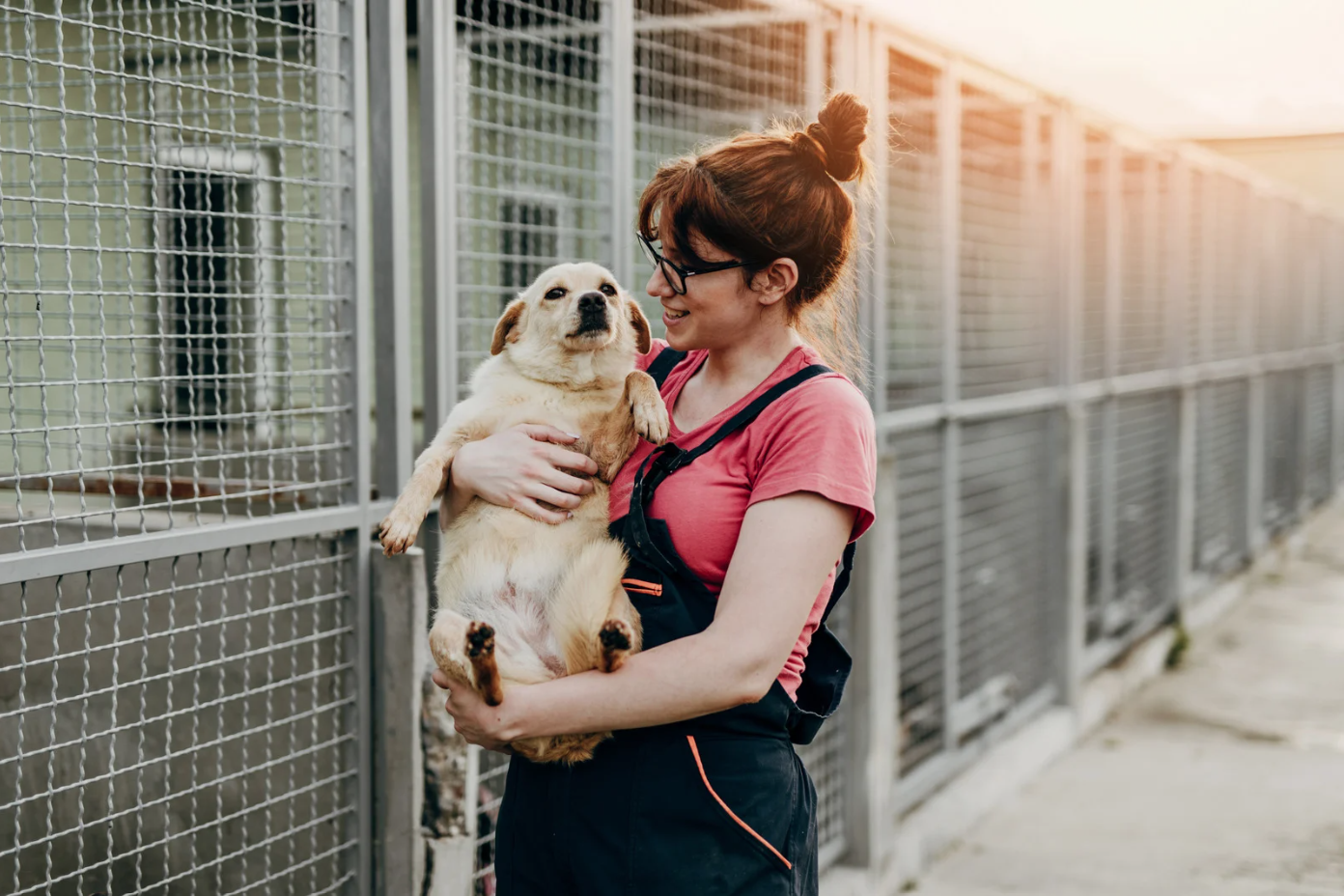
Bringing a rescue dog into my home shifted the entire atmosphere of my space in ways I didn’t anticipate. These dogs often arrive with invisible stories etched into their behavior, and those stories shape how they react to every sound, movement, and touch. I had to remind myself that fear-based reactions are not defiance but protection mechanisms that once kept them safe. Trust cannot grow if I interpret caution as stubbornness.
Patience became less of a virtue and more of a daily practice. A rescue dog may flinch at a raised hand, retreat from unfamiliar voices, or freeze in new environments. Those responses are rooted in past experiences I may never fully know. Accepting that reality helped me shift from frustration to empathy.
Instead of expecting immediate affection, I learned to value small signals. A soft glance in my direction, a tail wag that lasted half a second longer than before, or choosing to sit a little closer all signaled progress. These subtle milestones meant far more than dramatic breakthroughs. They were quiet signs that safety was beginning to replace fear.
Creating A Predictable Daily Routine
Consistency builds a framework that anxious dogs can lean on. Feeding at the same time each day, walking on a regular schedule, and maintaining predictable bedtime habits gave my rescue dog a sense of order. Structure reduces uncertainty, and uncertainty is often what fuels anxiety. Predictability becomes a silent promise that tomorrow will not bring chaos.
Dogs thrive when they can anticipate what comes next. If meals, walks, and rest follow a rhythm, their nervous systems begin to relax. I noticed that after a few weeks of routine, my dog began waiting by the door at walk time with confidence instead of hesitation. That anticipation signaled trust in the pattern we had built together.
Sudden changes can be unsettling, especially in the early months. Visitors, loud gatherings, or rearranging furniture can feel overwhelming to a dog still adjusting. Gradual introductions to new experiences helped maintain stability. Routine acted as the anchor that kept everything else from feeling unpredictable.
Using Calm Body Language And Gentle Tone
Dogs read body language more fluently than words. My posture, facial expressions, and even the pace of my movements influenced how safe my dog felt. Quick gestures or towering over him triggered visible tension. Slowing down and lowering myself to his level made interactions far less intimidating.
Tone matters just as much as posture. A steady, soft voice communicates reassurance in ways shouting never could. Even excitement had to be moderated because overly animated reactions sometimes caused him to retreat. Calm energy became my most powerful tool in building trust.
Eye contact required balance. Direct staring can feel threatening to some dogs, especially those with trauma. Brief, soft glances paired with relaxed blinking helped convey friendliness without pressure. Over time, he began initiating eye contact on his own, and that shift marked a turning point in our relationship.
Allowing Them To Set The Pace
Trust cannot be rushed without risking setbacks. Early on, I resisted the urge to shower my rescue dog with affection because I wanted closeness. He needed space to observe and assess me before deciding I was safe. Allowing him to approach me first created a sense of control that strengthened his confidence.
Touch became a gradual privilege rather than an immediate expectation. I extended my hand and waited rather than reaching abruptly. If he stepped back, I respected that boundary instead of insisting. Each time I honored his limits, he seemed more willing to test them again.
Progress sometimes looked uneven. One day he might accept petting, and the next he might withdraw. Instead of interpreting this as regression, I viewed it as part of healing. Emotional recovery rarely follows a straight line, and patience allowed him to move forward at a pace that felt secure.
Building Positive Associations Through Rewards
Positive reinforcement transformed our communication. Treats, praise, and gentle affection helped link my presence with good experiences. I focused on rewarding brave moments, even small ones like stepping into a new room or responding to his name. Encouragement reinforced confidence far more effectively than correction ever could.
Rewards extended beyond food. A favorite toy or a short play session became powerful motivators. Celebrating small victories created momentum and gave him reasons to trust my guidance. Over time, he began looking to me for reassurance in unfamiliar situations.
Punishment undermines fragile trust. Rescue dogs may already associate raised voices or harsh corrections with fear. Redirecting behavior with calm guidance built cooperation without intimidation. The more consistently I reinforced positive actions, the stronger our bond became.
Providing A Safe Space Within The Home
A designated safe space became essential. I set up a quiet corner with a comfortable bed where my dog could retreat without interruption. That space was never used for time-outs or discipline, which preserved its sense of security. Knowing he had control over where to decompress reduced overall anxiety.
Respecting that sanctuary meant asking others to do the same. Guests were instructed not to approach him there. This boundary protected his sense of ownership and autonomy. Over time, he began venturing out more confidently because retreat was always an option.
Crate training, when introduced gently, can serve a similar purpose. The key lies in making it inviting rather than confining. Soft bedding, treats placed inside, and leaving the door open initially help create positive associations. A safe space becomes the foundation from which courage grows.
Practicing Gentle Socialization
Social exposure requires careful pacing. Introducing my rescue dog to new people and environments happened gradually and with preparation. Large gatherings were replaced with one calm visitor at a time. Each positive interaction layered another brick in the wall of trust.
Observing body signals guided the process. If he tucked his tail or avoided eye contact, we created distance rather than pushing forward. Respecting those signals prevented overwhelm. Confidence increased when he realized I would advocate for his comfort.
Outings to quiet parks offered opportunities for exploration without excessive stimulation. Short walks expanded his world at a manageable pace. With each successful outing, he seemed more curious and less guarded. Gradual social experiences taught him that novelty did not always equal danger.
Building Communication Through Training
Basic training sessions provided structure and clarity. Simple commands like sit and stay fostered cooperation and mutual focus. These sessions were short and positive, ending before frustration could set in. Training created shared language that strengthened our connection.
Clear communication reduced confusion. Rescue dogs may not have had consistent guidance in the past. Predictable cues and rewards established new patterns of interaction. Success during training built confidence for both of us.
Mental stimulation also eased anxiety. Puzzle toys and scent games gave him productive outlets for energy. A tired mind rests more easily, and a relaxed dog feels safer. Training became less about obedience and more about partnership.
Responding To Setbacks With Compassion
Fearful reactions occasionally resurfaced without warning. Loud noises or unfamiliar situations sometimes triggered trembling or hiding. In those moments, my reaction mattered more than the trigger itself. Remaining steady reassured him that he was not alone in facing discomfort.
Comforting did not mean overreacting. Speaking softly and maintaining calm presence prevented escalation. Gradually, he began recovering from startling events more quickly. Resilience grew because he felt supported rather than judged.
Healing from trauma can take months or even years. Progress should be measured in overall trends rather than isolated incidents. Celebrating long-term growth kept perspective intact. Compassion proved far more effective than impatience.
Nurturing Trust Through Play And Shared Joy
Play introduced lightness into our relationship. Gentle games of fetch or tug built positive interaction without pressure. Laughter and movement shifted our dynamic from cautious coexistence to genuine companionship. Joy has a way of dissolving lingering barriers.
Play also revealed personality. As confidence increased, quirky behaviors surfaced. Silly spins before dinner or playful zoomies across the yard signaled comfort. These moments felt like invitations into his authentic self.
Shared joy strengthens bonds more deeply than routine alone. Trust grows not only through safety but also through delight. Watching him relax into play reminded me that beneath fear lies a dog eager to connect.
Committing To The Long Journey Ahead
Building trust with a rescue dog reshaped my perception of patience and connection. This process demands consistency, empathy, and a willingness to move slowly. Progress may appear subtle, but each small breakthrough carries immense significance. Over time, those small steps accumulate into lasting transformation.
The bond that forms through patient effort feels uniquely profound. Trust earned through compassion carries depth that cannot be rushed. Each shared moment reinforces the foundation we built together.
Welcoming a rescue dog into my life required adaptability and humility. Growth unfolded on both sides of the leash. In the end, trust became more than a goal; it became the quiet heartbeat of our relationship.
