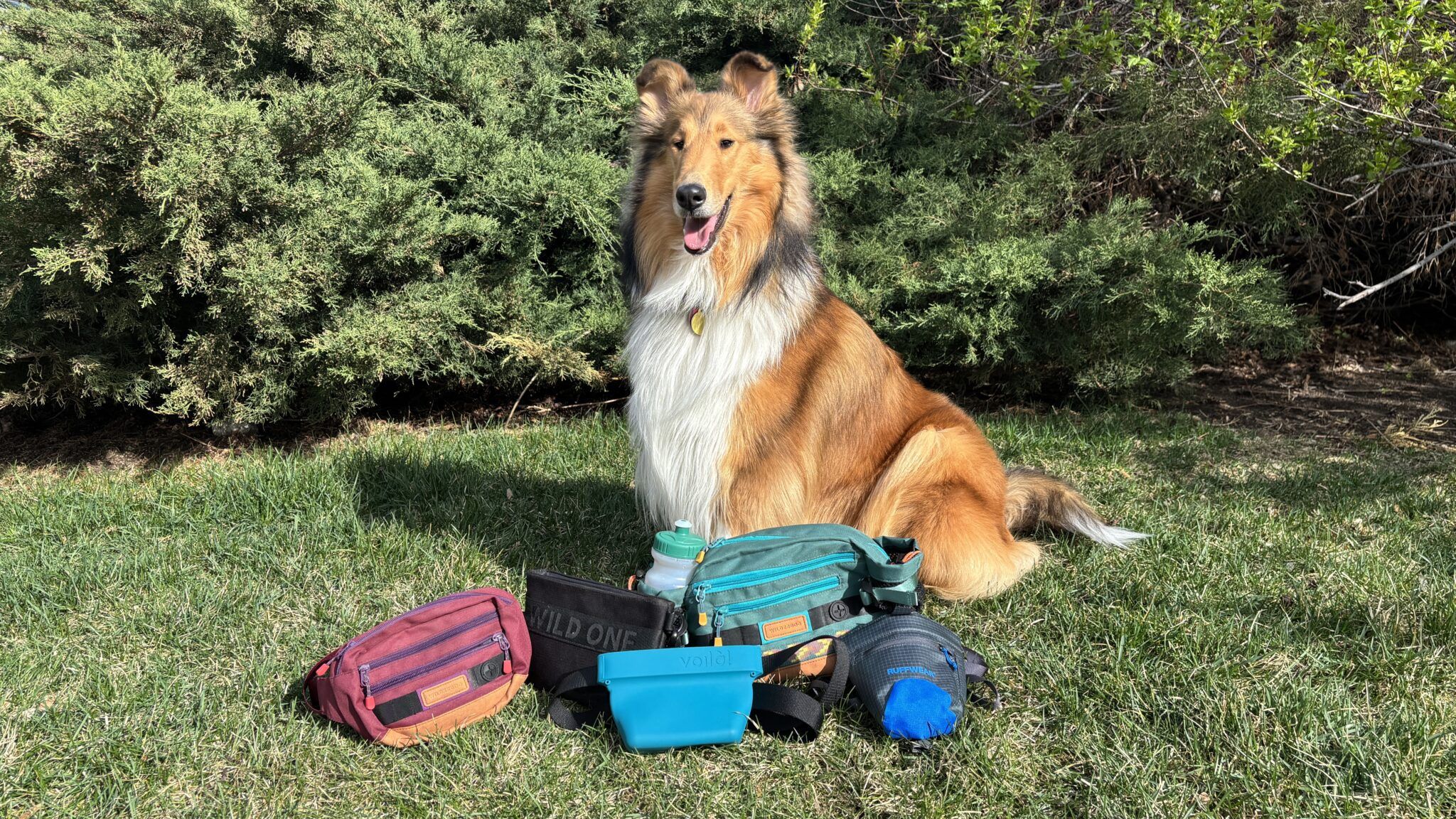
I have trained dogs in small apartments, busy parks, and wide-open fields, and one thing has remained consistent: the tools I carry directly affect the outcome of each session. Treat pouches and other training tools may seem like minor accessories, but in practice, they influence timing, clarity, and even my confidence. A well-prepared handler feels calmer, and that calm energy transfers straight to the dog.
Quick access to rewards allows me to reinforce behavior at the exact moment it happens. Dogs thrive on precise timing, and fumbling around in a pocket can easily break momentum. The difference between smooth repetition and distracted chaos often comes down to how efficiently I can deliver feedback.
Training tools are not shortcuts, nor are they replacements for patience and consistency. They are extensions of communication. The better they function, the clearer my message becomes.
Comparing Basic Treat Pouches With Advanced Designs
At first glance, all treat pouches look similar, but subtle differences matter more than I expected. Basic drawstring pouches are lightweight and affordable, making them ideal for short sessions or casual practice at home. They keep treats accessible without adding bulk, which I appreciate during quick drills.
Magnetic-closure pouches provide faster access and close automatically, which prevents spills during movement. I have noticed that this design helps maintain rhythm when I am working on heel training or recall exercises. The fewer interruptions I experience, the more consistent my reinforcement timing becomes.
Some premium models include multiple compartments for treats, toys, and personal items. While they are slightly heavier, the organization allows me to switch between high-value and low-value rewards seamlessly. That flexibility becomes essential during longer or more advanced sessions.
Material And Durability In Real-World Use
Durability was not something I considered deeply until a zipper failed mid-session. Since then, I have paid closer attention to materials. Waterproof linings make cleaning easier, especially after using moist treats like boiled chicken or cheese.
Canvas and nylon pouches tend to withstand outdoor use better than thin polyester versions. Training in humid or rainy conditions demands equipment that does not absorb moisture. Odor resistance also plays a role, because lingering smells can attract unwanted attention from curious dogs.
Stitching and belt clips deserve equal scrutiny. A weak clip can detach during movement, which disrupts focus and wastes time. Solid construction may cost more upfront, but it saves frustration in the long run.
Waist Clip, Belt, Or Crossbody Style
The way a pouch attaches to my body affects comfort and mobility. Waist clips are convenient for short outings, but they sometimes shift during jogging or agility work. That slight movement can become distracting over time.
Belt-style pouches provide more stability and distribute weight evenly. I prefer them during longer training sessions because they stay in place. Adjustable straps also make sharing gear between family members easier.
Crossbody designs offer a casual appearance and extra storage, yet they may swing during fast movements. For structured obedience sessions, I lean toward more secure waist-mounted options. Comfort translates to focus, and focus improves results.
Clickers And Marker Tools Compared
Treat pouches are only one part of the training equation. Clickers serve as precise marker tools that communicate the exact moment a dog performs correctly. I rely on the crisp, consistent sound of a clicker to bridge the gap between action and reward.
Verbal markers can work well too, but tone inconsistency sometimes creeps in. A clicker eliminates emotional variation and delivers the same signal every time. That consistency speeds up skill acquisition in many dogs.
Some trainers use whistle markers, especially for distance work. While effective, whistles require practice to maintain consistency. Each tool has strengths, and pairing them thoughtfully with a treat pouch enhances overall efficiency.
Target Sticks, Lures, And Long Lines
Beyond treats and markers, additional tools expand communication. Target sticks help guide movement and shape behaviors without physical pressure. I have found them particularly useful for teaching spins, place commands, and directional cues.
Lures serve as temporary guides but should fade over time. Relying too heavily on visible treats can create dependency. Proper timing ensures the dog responds to the cue rather than simply chasing food.
Long lines provide safety during recall training. They allow freedom while maintaining control, which builds reliability without compromising security. Combining a long line with quick-access rewards creates a balanced approach.
Treat Quality And Storage Considerations
Not all treats perform equally in a pouch. Dry kibble works well for low-distraction environments, but high-value rewards become necessary in busy areas. I rotate between soft and crunchy options depending on the difficulty of the task.
Storage affects freshness and hygiene. Moist treats require frequent cleaning of the pouch interior to prevent residue buildup. I make it a habit to empty and wipe down my pouch after each session.
Temperature also influences treat condition. On hot days, certain foods soften quickly, which can become messy. Selecting the right storage method preserves quality and keeps sessions running smoothly.
Agility Tools Versus Basic Obedience Gear
Agility training introduces additional equipment such as tunnels, jumps, and weave poles. While these tools add excitement, they demand greater coordination from both handler and dog. In these scenarios, a secure treat pouch becomes even more critical.
Basic obedience relies more heavily on timing and repetition. The equipment may be simpler, yet the principles remain the same. Clear reinforcement, reliable markers, and consistent cues form the foundation.
Agility gear often requires more space and setup time. For everyday training, compact tools like treat pouches and clickers offer convenience without sacrificing effectiveness.
Training At Home Versus Public Spaces
Home sessions feel controlled and predictable. I can leave extra supplies nearby and move at a relaxed pace. In that setting, even a simple pocket can suffice for holding treats.
Public environments introduce distractions and unpredictability. A dedicated pouch keeps rewards secure and accessible while I focus on my dog. Crowded parks demand efficiency, and fumbling for food is not ideal.
Noise levels, unfamiliar dogs, and passing strangers test attention. Reliable gear allows me to respond quickly and maintain engagement. Preparation makes challenging environments manageable.
Multi-Dog Households And Organization
Training more than one dog adds complexity. Separate compartments in a pouch help prevent treat mix-ups, especially when working with different dietary needs. Organization reduces confusion and streamlines transitions between dogs.
Consistency becomes even more important in multi-dog settings. Each dog should receive clear, timely reinforcement without delay. A well-designed pouch supports that precision.
Rotating dogs during sessions requires quick resets. Efficient tools allow me to maintain flow and minimize downtime. Structured sessions prevent overstimulation and encourage steady progress.
Balancing Convenience With Minimalism
Carrying too many tools can feel overwhelming. I have experimented with fully loaded belts and minimal setups. Over time, I realized that simplicity often leads to better focus.
A reliable pouch, a clicker, and perhaps a long line cover most needs. Adding extra gadgets may seem appealing, but unnecessary equipment can complicate sessions. Clarity matters more than quantity.
Minimalism does not mean sacrificing quality. It means selecting tools that genuinely enhance communication. Thoughtful choices create smoother experiences for both handler and dog.
Cost Versus Long-Term Value
Budget options can perform well initially, but wear and tear quickly reveal their limitations. Investing in sturdy equipment often reduces replacement frequency. Over time, durability pays for itself.
High-priced tools are not automatically superior. Functionality should guide decisions rather than brand reputation. I evaluate comfort, reliability, and ease of cleaning before making purchases.
Value also includes how a tool fits into my routine. Equipment that integrates seamlessly into daily practice becomes worthwhile. Practicality outweighs flashy features.
Maintaining Cleanliness And Hygiene
Food residue and outdoor debris accumulate faster than expected. Regular cleaning prevents odor buildup and bacterial growth. A quick wipe after each session preserves freshness.
Machine-washable liners add convenience. Removable inserts simplify maintenance and extend lifespan. Clean gear supports a healthy training environment.
Hygiene also influences professionalism. In group classes or public settings, well-maintained equipment reflects responsibility. Attention to detail fosters trust and credibility.
Adapting Tools As Skills Progress
Early training stages require frequent rewards. A spacious pouch accommodates higher treat volume during foundational work. As reliability increases, reinforcement frequency decreases.
Advanced training shifts toward intermittent rewards and praise. Smaller pouches or simplified setups become sufficient. Adjusting tools to match skill level keeps sessions efficient.
Progress should influence equipment, not the other way around. Tools serve the process, not dictate it. Flexibility ensures alignment with evolving goals.
Personal Comfort And Handler Confidence
Confidence grows when I feel prepared. Reliable gear eliminates minor stressors and keeps attention on the dog. Comfort reduces distraction and improves posture.
Heavy or awkward equipment can subtly affect body language. Dogs respond to physical cues more than many handlers realize. Balanced, secure tools help maintain natural movement.
Comfort extends beyond physical sensation. Trusting my equipment allows me to focus on timing and communication. That mental clarity strengthens the partnership.
Final Thoughts On Treat Pouches And Training Tools
Treat pouches and training tools may appear simple, yet their impact is significant. Efficient access to rewards sharpens timing and reinforces clarity. Organized gear minimizes interruptions and enhances engagement.
Each tool carries strengths and limitations. Evaluating durability, comfort, and practicality leads to better decisions. Thoughtful selection supports smoother sessions and steadier progress.
Training remains a dynamic process built on patience and repetition. Reliable equipment does not replace skill, but it amplifies it. With the right tools at my side, I can focus fully on guiding my dog toward lasting success.
