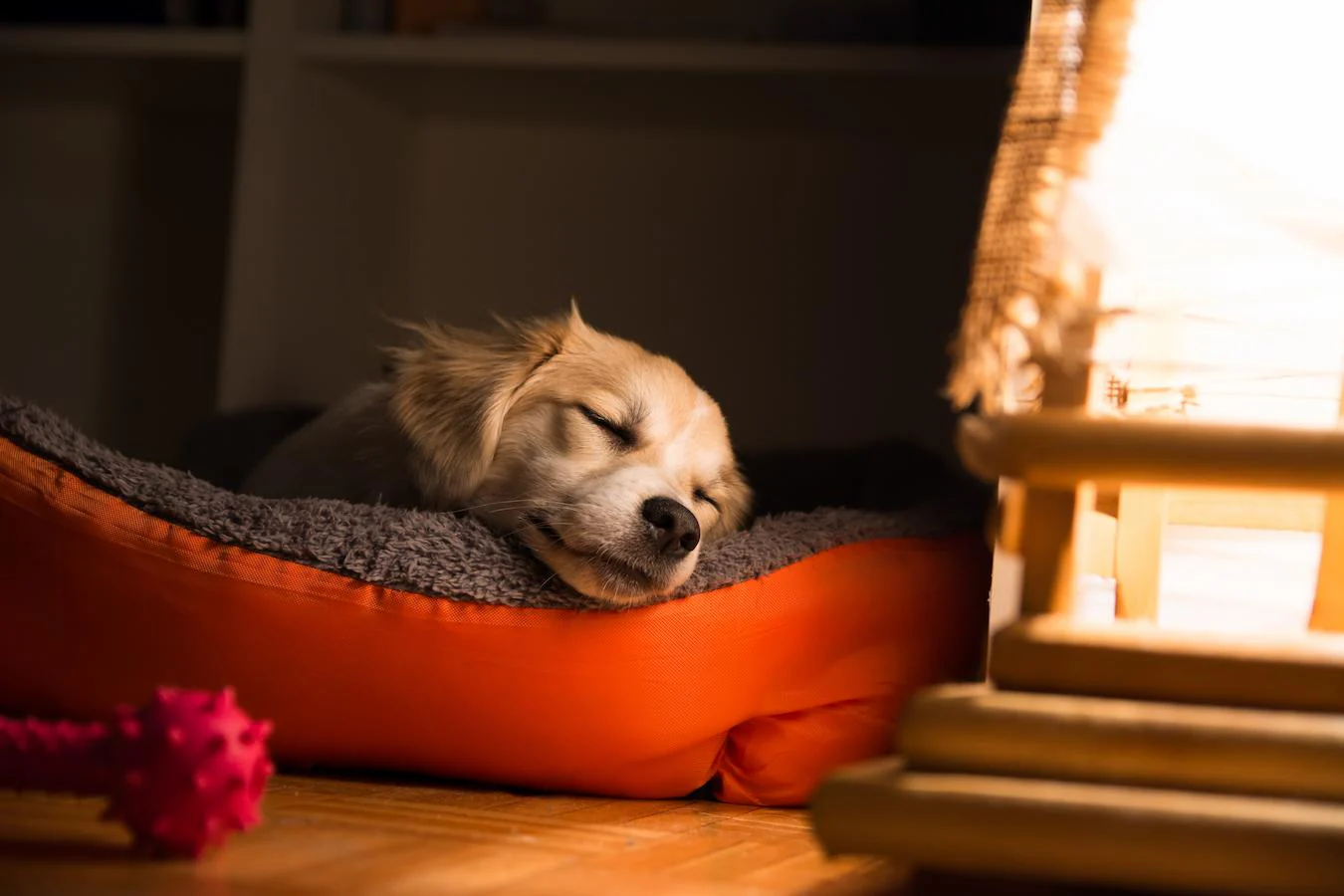
Nighttime restlessness in dogs often creeps in quietly. I have watched my own dog pace the hallway at midnight, circle his bed five times, lie down, then pop right back up with a sigh that sounded heavier than it should. It rarely begins as dramatic barking or obvious distress. More often, it shows up as small changes in routine that slowly become a pattern.
Some dogs scratch at the door long after their final potty break. Others wander from room to room as if searching for something they cannot quite find. A few may lick their paws obsessively or stare into dark corners with an intensity that makes you question what they are sensing. These behaviors feel minor at first, but when they repeat night after night, they start to chip away at both your sleep and your peace of mind.
I have learned that restlessness at night is rarely random. Dogs thrive on rhythm, and when that rhythm is disrupted, they show us in the only ways they know how. The key is paying attention before exhaustion turns frustration into impatience.
Common Physical Causes
Physical discomfort is often the first place I look. Dogs cannot tell us that their hips ache or that their stomach feels unsettled, so the body speaks through movement. Pacing, constant repositioning, and groaning while lying down can point toward pain that becomes more noticeable when the house is quiet.
Arthritis is a frequent culprit, especially in older dogs. Conditions like hip dysplasia or joint inflammation tend to flare up after a day of activity. Breeds such as the Labrador Retriever and the German Shepherd are particularly prone to joint issues, though any dog can experience them. I have noticed that cool nighttime temperatures can make stiff joints even more uncomfortable.
Digestive issues also surface at night. A late meal, food intolerance, or mild bloating can leave a dog unsettled for hours. Sometimes a simple adjustment to feeding time makes a significant difference. Other times, it requires a closer conversation with a veterinarian to rule out more serious concerns.
Anxiety That Emerges After Dark
Anxiety tends to amplify once the lights go out. During the day, distractions keep a dog busy, but nighttime strips those away. The silence can magnify every unfamiliar sound, from distant traffic to a neighbor’s door closing.
Separation anxiety often shows itself most strongly at bedtime. If a dog sleeps in a separate room or crate, the physical distance may trigger stress. I have seen dogs whine softly at first, then escalate into pacing or scratching because they feel isolated. Even small shifts in routine, like a new bedtime schedule, can unsettle them.
Environmental changes also play a role. Moving to a new home, introducing a new pet, or even rearranging furniture can make a dog feel insecure. I once underestimated how sensitive dogs are to these details until a simple room swap caused nights of restlessness for nearly a week. Their world depends on familiarity, and darkness can make everything feel unfamiliar again.
Age-Related Sleep Disruptions
Age changes the way dogs sleep. Puppies often wake up because their bladders are small and their energy seems endless. Senior dogs, on the other hand, may experience fragmented sleep patterns similar to elderly humans.
Cognitive decline in older dogs can lead to confusion at night. They may appear disoriented, stand facing a wall, or forget where their bed is located. Breeds like the Golden Retriever and the Poodle can live long lives, which increases the chance of age-related changes. Watching this shift can feel heartbreaking, especially when your once-confident companion seems unsure in familiar spaces.
I have found that gentle lighting and consistent routines help older dogs settle more easily. A soft nightlight can reduce confusion, and predictable bedtime rituals can anchor them. Age may alter their sleep, but comfort still matters deeply.
The Role Of Daily Stimulation
Energy that goes unused during the day often spills into the night. A dog that spends hours alone without adequate exercise may transform into a midnight wanderer. I have noticed that even small adjustments, like adding a longer evening walk, can dramatically improve nighttime calm.
Mental stimulation is just as important as physical activity. Puzzle feeders, scent games, and short training sessions exhaust the brain in a way that running alone cannot. Without these outlets, some dogs create their own nighttime entertainment, which usually involves pacing or attention-seeking behavior.
Overstimulation can also cause restlessness. An intense play session right before bed can spike adrenaline, making it harder for a dog to wind down. Timing matters, and balancing activity with a cool-down period has made a noticeable difference in my own routine.
Environmental Triggers You Might Overlook
Small environmental factors can disrupt sleep more than we realize. Changes in temperature, outside noises, or even new scents drifting through open windows can keep a dog alert. I once traced weeks of restlessness back to a neighbor’s motion-activated light that flickered unpredictably into our living room.
Bedding quality plays a role too. A thin cushion may not provide enough support, especially for larger breeds. Dogs that struggle with joint discomfort often benefit from orthopedic beds that reduce pressure on hips and elbows. Sometimes the solution is as practical as upgrading their sleeping surface.
Even household dynamics matter. Late-night television, scrolling on a bright phone screen, or inconsistent bedtime routines send mixed signals. Dogs observe our patterns closely, and if we remain active, they may feel compelled to stay alert as well.
Medical Conditions That Require Attention
Persistent nighttime restlessness should never be dismissed outright. Conditions such as urinary tract infections can cause frequent urges to go outside. Endocrine disorders, including thyroid imbalances, can increase agitation and disrupt sleep cycles.
Pain from dental issues is another overlooked factor. A dog with a throbbing tooth may seem fine during the day but struggle once distractions fade. I have learned that if restlessness appears suddenly and without an obvious trigger, a veterinary visit provides clarity and peace of mind.
Neurological conditions, though less common, can also alter behavior after dark. Seizure activity sometimes occurs during sleep or transitions between wakefulness and rest. Observing patterns and recording details helps veterinarians identify underlying causes more accurately.
Practical Steps To Restore Calm
I begin with routine because dogs anchor themselves to predictability. Feeding, walking, and bedtime at consistent hours create a framework that signals safety. A brief, calm activity before bed, such as gentle petting or a slow stroll, prepares their bodies for rest.
Comfort adjustments follow closely behind. Ensuring access to water, a final potty break, and a cozy sleeping space removes common stressors. I avoid stimulating play right before lights out and instead create a wind-down window that mimics the gradual slowing of evening.
Calming aids can help in certain cases. White noise machines mask unpredictable sounds that might otherwise trigger alertness. Some dogs respond well to anxiety wraps or pheromone diffusers, though results vary. Patience remains the most important ingredient because quick fixes rarely solve deeper issues.
Emotional Connection And Reassurance
Dogs are deeply attuned to our emotional states. If I feel frustrated at 2 a.m., my dog senses it instantly. Staying calm and offering quiet reassurance prevents escalation and reinforces trust.
Physical closeness can provide significant comfort. Moving a bed closer to yours or allowing temporary proximity during stressful periods sometimes resets their sense of security. I have found that small gestures, like resting a hand gently on my dog’s back, can slow his breathing and ease tension.
Consistency in response is essential. If I react differently each night, confusion builds. A steady, predictable approach sends the message that nighttime is safe and stable.
When Professional Guidance Makes Sense
Some cases extend beyond home adjustments. If restlessness persists for weeks despite routine changes, professional insight becomes valuable. Veterinarians can rule out medical issues, while certified trainers or behaviorists address anxiety-driven patterns.
I view outside help not as a failure but as collaboration. Dogs rely on us to advocate for their well-being, and seeking expertise reflects responsibility. Early intervention often prevents minor sleep disruptions from evolving into chronic behavioral concerns.
Monitoring progress after implementing changes provides useful feedback. Gradual improvement signals that you are on the right track. A lack of change suggests deeper factors that warrant closer examination.
Restoring Peace For Both Of You
Sleep deprivation affects both ends of the leash. I have felt the ripple effects of interrupted nights in my mood, patience, and daily productivity. Addressing nighttime restlessness strengthens not only a dog’s health but also the bond you share.
Small, thoughtful adjustments accumulate into meaningful change. Whether the cause stems from discomfort, anxiety, aging, or environment, solutions exist. The journey requires observation, empathy, and persistence rather than quick frustration.
Peaceful nights do not always return instantly, but steady effort pays off. Dogs depend on us to interpret their silent cues, and in doing so, we deepen the connection that makes sharing a home with them so rewarding.
