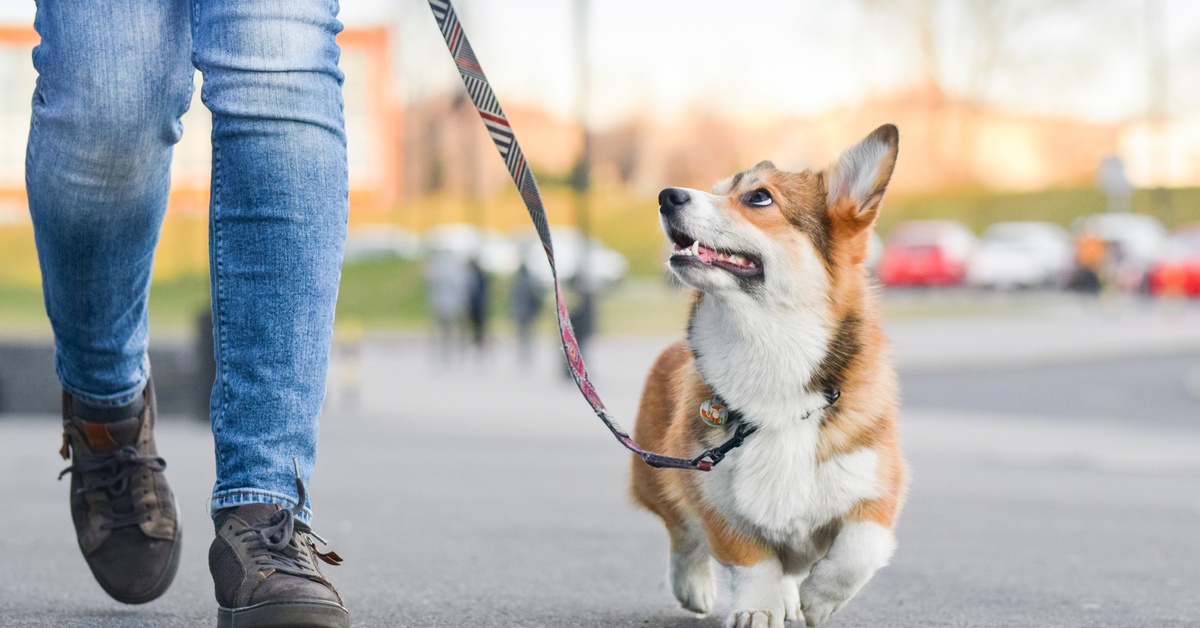
Bringing a puppy home changes the rhythm of daily life in the best possible way. The house feels livelier, the floors a little messier, and the schedule suddenly revolves around tiny paws and curious noses. I quickly realized that excitement alone is not enough to set a puppy up for success. Having the right supplies in place makes the transition smoother for both the dog and the human trying to keep up.
Preparation is not about buying every trendy pet product on the market. It is about making thoughtful decisions that support safety, comfort, health, and training from day one. Over time, I have narrowed down the essentials that truly matter and left the rest behind. These are the must-have supplies I believe every new dog parent should have ready before their puppy walks through the door.
A Properly Sized Crate
A crate is one of the most valuable tools I have ever used with a puppy. It provides a secure space where a dog can rest, reset, and feel protected when the world becomes overwhelming. Instead of seeing it as confinement, I treat the crate as a bedroom that belongs entirely to my dog.
Sizing matters more than people realize. A crate should be large enough for a puppy to stand up, turn around, and lie down comfortably, but not so large that one corner becomes a bathroom. Many crates come with dividers, which are incredibly helpful because they allow the space to grow with the puppy. That small adjustment saves money and keeps training consistent.
Placing the crate in a quiet but not isolated part of the home also makes a difference. Puppies want to feel included, yet they also need calm rest. A thoughtfully placed crate supports both needs without overwhelming them.
Comfortable Bedding
Inside the crate or in a designated sleeping area, bedding plays a bigger role than just softness. A good bed cushions growing joints and encourages deeper rest, which puppies desperately need. I look for something washable because accidents and chewing attempts are almost guaranteed in the early months.
Material matters as well. Some puppies run hot and prefer breathable fabrics, while others burrow and enjoy plush textures. Observing how a puppy sleeps can guide the right choice. A dog that curls up tightly might enjoy a bolster-style bed, while one that stretches out benefits from a flat cushion.
Durability should never be overlooked. Puppies explore the world with their mouths, and weak seams rarely survive long. Investing in sturdy bedding prevents constant replacements and reduces the risk of swallowed stuffing.
Food And Water Bowls
Feeding time sets the tone for daily structure, so bowls deserve careful thought. Stainless steel bowls are my top choice because they are durable, easy to clean, and resistant to bacteria buildup. Plastic bowls may seem convenient, but they can scratch easily and harbor germs over time.
Size should match the puppy’s breed and expected growth. A tiny bowl for a large-breed puppy quickly becomes impractical, while oversized bowls for small breeds can create messy mealtimes. Stability is another factor, especially for enthusiastic eaters who treat meals like a competitive sport.
Water access should be constant, fresh, and clean. I rinse and refill water bowls multiple times a day, particularly during warmer weather. Hydration supports everything from digestion to energy levels, and it is a simple habit that pays off in long-term health.
High-Quality Puppy Food
Nutrition lays the foundation for a dog’s entire life. Puppies have different dietary needs than adult dogs, so selecting food formulated specifically for growth is essential. I pay attention to ingredient lists, protein sources, and the reputation of the brand rather than focusing only on marketing claims.
Large-breed puppies often require controlled calcium and phosphorus levels to support steady bone development. Smaller breeds may benefit from calorie-dense formulas that match their faster metabolisms. Consulting a veterinarian helps narrow down the right option for a specific puppy.
Feeding guidelines on packaging are helpful starting points, but they are not rigid rules. I monitor body condition, energy, and stool quality to make adjustments as needed. A well-fed puppy should be energetic, lean, and thriving rather than sluggish or overweight.
A Secure Collar And ID Tag
Even indoor dogs need identification. Puppies are curious and surprisingly fast, and it only takes a moment for a door to open at the wrong time. A properly fitted collar with an ID tag provides immediate contact information if a puppy gets loose.
The collar should be snug but not tight. I use the two-finger rule, ensuring I can slide two fingers comfortably between the collar and the puppy’s neck. Regular checks are important because growing puppies can outgrow collars quickly.
An ID tag should include the dog’s name and a reliable phone number. Some people also include an address, but I prefer to keep it minimal for privacy. Microchipping is another layer of security, but visible identification still plays a crucial role in quick reunions.
A Reliable Leash And Harness
Leash training starts early, even before long outdoor walks become routine. A sturdy leash paired with a well-fitted harness gives better control and reduces pressure on a puppy’s neck. Harnesses are especially helpful for small breeds or dogs prone to pulling.
Adjustability is key because puppies grow rapidly. I look for harnesses with multiple adjustment points to ensure a snug fit without restricting movement. Loose harnesses can slip off, while tight ones can cause discomfort.
Shorter leashes, typically around six feet, provide better control during training sessions. Retractable leashes might seem appealing, but they are not ideal for teaching loose-leash walking. Clear communication through consistent leash use builds confidence and trust.
Puppy Training Pads Or Outdoor Potty Setup
House training requires patience and a clear plan. Some people rely on training pads, while others focus exclusively on outdoor potty breaks. I decide based on living situation, schedule, and long-term goals.
If using pads, placement should remain consistent. Moving them around can confuse a puppy and delay progress. For outdoor training, I designate a specific potty area and take the puppy there frequently, especially after meals, naps, and play sessions.
Accidents are part of the process, and supplies should reflect that reality. Having cleaning tools ready prevents frustration and protects flooring. Calm consistency speeds up house training far more effectively than scolding ever could.
Enzyme Cleaner For Accidents
No matter how prepared I feel, accidents happen. An enzyme-based cleaner breaks down odor molecules at their source, which helps prevent repeat incidents in the same spot. Regular household cleaners often mask smells rather than eliminating them completely.
I keep a bottle easily accessible instead of buried under a sink. Quick cleanup reduces staining and discourages a puppy from associating that location with bathroom habits. Blotting rather than rubbing also preserves carpets and fabrics.
This simple product saves time, protects surfaces, and supports training. It is one of those items I never want to run out of during the early months.
Chew Toys For Teething Relief
Teething can turn even the sweetest puppy into a determined chewer. Appropriate chew toys redirect that natural urge away from furniture and shoes. Offering a variety of textures helps satisfy different preferences.
Rubber toys, rope toys, and durable nylon options all serve different purposes. I rotate toys regularly to maintain novelty and prevent boredom. Supervision remains important, especially with new items, to ensure safety.
Freezing certain rubber toys can provide extra relief for sore gums. Watching a puppy settle down with a suitable chew instead of gnawing on table legs feels like a small but meaningful victory.
Interactive Toys And Mental Stimulation
Physical exercise alone does not tire out a puppy. Mental engagement is equally important, and interactive toys provide that challenge. Puzzle feeders and treat-dispensing toys encourage problem-solving and slow down fast eaters.
Short training sessions using treats or kibble can also double as enrichment. Teaching simple cues like sit or down builds communication while stimulating a curious mind. A mentally satisfied puppy is often calmer and less destructive.
Rotating enrichment activities prevents predictability. Novelty keeps puppies engaged and reduces the likelihood of them creating their own entertainment at the expense of household items.
Grooming Essentials
Grooming is not just about appearance. Regular brushing removes loose fur, distributes natural oils, and allows me to check for skin issues. Starting early helps puppies become comfortable with handling.
The type of brush depends on coat length and texture. Short-haired breeds may need a simple bristle brush, while long-haired breeds require more specialized tools. Nail clippers or grinders are equally important to prevent overgrown nails.
Bath supplies should be gentle and puppy-safe. Overbathing can dry out skin, so I bathe only when necessary. Consistent, calm grooming sessions build trust and reduce anxiety around care routines.
A Pet First Aid Kit
Preparedness extends beyond daily routines. A basic pet first aid kit gives peace of mind for minor injuries or emergencies. Items like gauze, antiseptic wipes, and a digital thermometer can be incredibly useful.
Contact information for a regular veterinarian and an emergency clinic should be easily accessible. In stressful situations, searching for phone numbers wastes valuable time. Having everything organized in one place makes a real difference.
While a first aid kit does not replace professional care, it supports immediate response. Being ready for the unexpected is part of responsible dog parenting.
Treats For Training And Bonding
Treats play a powerful role in shaping behavior. Small, soft, and highly appealing treats work best during training sessions. I keep them pea-sized to avoid overfeeding while still rewarding progress.
Positive reinforcement builds trust far more effectively than punishment. Celebrating small wins, like responding to a name or sitting politely, strengthens the bond between us. That connection becomes the foundation for future training.
Moderation is important because treats should complement, not replace, balanced meals. I adjust meal portions slightly if training sessions involve extra rewards.
A Car Safety Setup
Transportation safety often gets overlooked in the excitement of a new puppy. A secure crate or dog seat belt prevents distractions while driving and protects the puppy in case of sudden stops. Allowing a dog to roam freely in a car poses risks to everyone.
Short car rides early on help puppies build positive associations with travel. Pairing trips with treats and calm praise reduces anxiety over time. Veterinary visits become less stressful when car rides feel routine.
Investing in proper car safety equipment reflects long-term thinking. It supports both safety and comfort from the very beginning.
Building A Puppy-Friendly Space
Supplies alone are not enough without thoughtful setup. Puppy-proofing areas by removing cords, toxic plants, and fragile objects prevents accidents. Baby gates can limit access to certain rooms until training progresses.
Designating specific zones for sleeping, eating, and playing creates structure. Puppies thrive on predictability, and consistent environments help them adapt faster. Small adjustments in layout can significantly reduce stress.
Over time, routines become smoother and the home feels balanced again. Thoughtful preparation allows the focus to shift from constant damage control to meaningful moments together.
Bringing a puppy home is both joyful and demanding. Having the right supplies does not eliminate challenges, but it makes them manageable. Each item serves a purpose rooted in safety, comfort, and growth.
Life with a puppy is full of chewed corners, muddy paws, and unexpected laughter. With these essentials in place, I feel more confident guiding a young dog through those early months. Preparation turns chaos into progress, and progress builds a lifelong partnership built on trust and care.
