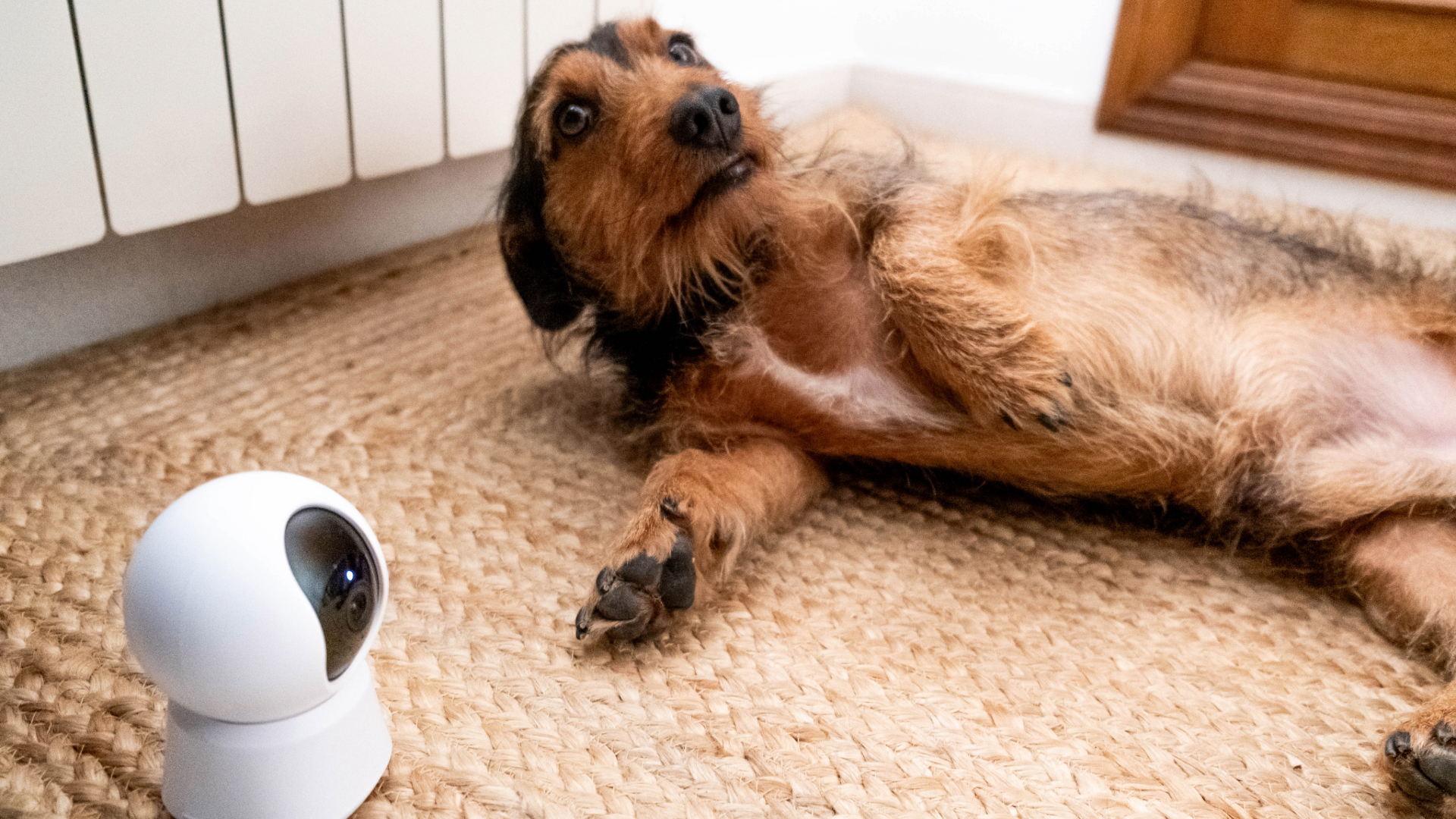
Dog cameras have quietly become one of the most talked-about pet gadgets in recent years. I have watched friends install them in apartments, townhouses, and even small condos, all for the same reason: peace of mind. The idea of being able to check in on my dog while I am away at work or running errands is undeniably appealing.
Pet technology has evolved quickly, and dog cameras are no longer just basic surveillance tools. Many models now include two-way audio, treat dispensers, night vision, motion alerts, and even barking detection. These features promise not just visibility but interaction, which makes the decision feel more emotional than practical.
I started thinking about getting one after noticing how guilty I felt during long days away from home. My dog would greet me with overwhelming excitement every evening, and I often wondered what the rest of his day looked like. That curiosity alone made dog cameras seem less like a luxury and more like a potential necessity.
What A Dog Camera Actually Does
At its core, a dog camera allows me to livestream video of my dog through a smartphone app. Most models connect through Wi-Fi and offer real-time viewing from anywhere. That simple function is the foundation of everything else.
Beyond basic streaming, some cameras send motion notifications if my dog moves around excessively. Others detect barking and send alerts if noise levels spike. This feature can be helpful if I live in an apartment building where neighbors might complain about prolonged barking.
Two-way audio is one of the most interesting features. I can speak through the camera and hear my dog’s response in real time. Some systems even let me toss a treat remotely, which adds a playful element to being away from home.
Still, not all features are equally useful for every dog owner. The value of these extras depends heavily on my dog’s temperament, my schedule, and the layout of my home.
Signs A Dog Camera Might Be Worth It
I realized that not every dog owner truly needs a camera. For some households, dogs sleep peacefully most of the day without any issues. In other cases, a camera can be incredibly helpful.
Separation anxiety is one of the biggest reasons people invest in this technology. If my dog whines, howls, or destroys furniture when I leave, having visual confirmation of that behavior helps me take the right steps. Instead of guessing what happens while I am gone, I can see patterns and triggers.
New puppies are another situation where a camera makes sense. Puppies explore everything, and that curiosity can quickly turn into trouble. Watching them remotely allows me to respond faster if they chew something dangerous or get stuck in an awkward spot.
Senior dogs also benefit from extra monitoring. As dogs age, health issues can appear unexpectedly. A camera lets me check on mobility, comfort, and behavior changes without constantly rushing home in a panic.
Situations Where You Probably Don’t Need One
Some dogs truly treat alone time as an extended nap. If my dog sleeps most of the day and has never shown signs of distress, installing a camera may not change much. In that case, it could simply become another app on my phone that I rarely open.
If I already have a reliable dog sitter, family member, or neighbor who checks in regularly, a camera might feel redundant. Human interaction often provides more comfort than remote monitoring. A camera cannot replace physical presence, affection, or walks.
Budget also plays a role. Quality dog cameras can be expensive, and subscription fees for cloud storage add up over time. If finances are tight, that money might be better spent on training sessions, enrichment toys, or preventive veterinary care.
Privacy concerns matter as well. Some people are uncomfortable placing internet-connected cameras inside their homes. While many brands emphasize security features, no system is completely immune to hacking risks.
Emotional Benefits That Are Hard To Measure
One thing I did not anticipate was how much emotional reassurance a dog camera could provide. Being able to open an app and see my dog curled up on the couch instantly lowers my stress level. It shifts my mindset from worry to calm in seconds.
There is also something surprisingly heartwarming about watching ordinary moments. Seeing my dog stretch, yawn, or wander into the kitchen makes me feel connected even when I am miles away. Those small glimpses of daily life strengthen the bond in subtle ways.
However, emotional comfort can become a double-edged sword. Constantly checking the camera can increase anxiety rather than reduce it. If I obsess over every movement or bark, I may end up feeling more worried than before.
Balance is essential. A dog camera should support peace of mind, not fuel overthinking.
Can A Camera Help With Training?
Dog cameras can serve as useful tools for behavior training, especially for separation-related issues. If I notice that my dog starts pacing immediately after I leave, I can work on gradual desensitization techniques. Observing the exact moment distress begins gives me more clarity than guesswork.
Two-way audio can be helpful, but it must be used carefully. Speaking through the camera may calm some dogs, while others become confused by hearing my voice without seeing me. In some cases, it can intensify anxiety rather than soothe it.
Professional trainers sometimes recommend recording behavior patterns to identify triggers. Having video footage makes those conversations more productive. Instead of vaguely describing what I think happens, I can share clear examples.
Still, a camera is not a substitute for proper training. It is a supportive tool that works best alongside structured routines and consistent reinforcement.
The Impact On Separation Anxiety
Separation anxiety is complex, and a camera alone will not solve it. I learned that simply checking on my dog does nothing to address the root cause of distress. The technology can reveal the problem, but it cannot fix it automatically.
In mild cases, brief verbal reassurance through two-way audio may help. My dog sometimes perks up at the sound of my voice and then settles back down. That moment of recognition can interrupt escalating stress.
In more severe cases, however, hearing my voice without my physical presence might make things worse. Some dogs react by searching frantically for their owner. For these situations, professional guidance and structured behavior modification plans are more effective than remote interaction.
A camera works best as a diagnostic tool rather than a cure. It gives visibility, not therapy.
Comparing Popular Dog Camera Brands
Several well-known brands dominate the pet camera market. Each one offers slightly different features, price points, and app experiences.
Furbo is one of the most recognized names in this space. It includes treat tossing, barking alerts, and high-definition video streaming. Many owners appreciate its sleek design and dog-focused features.
Petcube offers models with interactive laser toys and strong audio quality. Some versions also include access to veterinary chat services through their app.
Wyze provides more budget-friendly cameras that are not specifically made for dogs but work effectively for pet monitoring. They may lack treat dispensers but still offer clear video and motion detection.
The right choice depends on what matters most to me. If interaction is important, treat tossing may be appealing. If I only want visual confirmation that my dog is safe, a simpler model may be sufficient.
Practical Considerations Before Buying
Before installing a dog camera, I think about placement carefully. Positioning it at the correct height ensures I capture my dog’s usual resting spots. A camera aimed too high or too low can miss the action entirely.
Internet stability is another factor. A weak Wi-Fi connection can result in lagging video or frequent disconnections. That defeats the purpose of real-time monitoring and can quickly become frustrating.
Lighting conditions also matter. Night vision capabilities are helpful if my dog moves around in low light. Without that feature, evening monitoring becomes less effective.
Subscription fees deserve attention as well. Some brands require monthly payments to access video history or advanced alerts. Over time, these small fees can add up significantly.
Potential Downsides That Rarely Get Mentioned
While dog cameras promise convenience, they can subtly change my behavior. I may find myself checking the app multiple times an hour, even when there is no real reason. That habit can distract me from work or personal tasks.
There is also the possibility of misinterpretation. Seeing my dog lying still for long periods might cause unnecessary worry, even though resting is completely normal. Without context, everyday behavior can appear suspicious.
Technical glitches happen too. Apps crash, notifications fail, and devices occasionally disconnect. Relying entirely on technology for reassurance can backfire if the system malfunctions.
In some cases, dogs react negatively to the device itself. The sound of treat dispensers or unfamiliar voices from the speaker can startle sensitive pets.
Weighing Cost Against Peace Of Mind
The price of dog cameras ranges widely, from affordable basic models to premium systems with multiple features. On top of the initial purchase, optional subscriptions increase long-term costs. I have to ask myself whether that expense truly enhances my dog’s well-being or simply eases my own anxiety.
Peace of mind is valuable, but it is also subjective. For someone who travels frequently or works long hours, the reassurance may justify the price. For someone who spends most of the day at home, the value may feel minimal.
I consider opportunity cost as well. The same budget could fund enrichment toys, puzzle feeders, professional training sessions, or additional daycare visits. Those investments may have a more direct impact on my dog’s happiness.
Final Thoughts On Whether You Really Need One
Dog cameras are not essential for every household, but they can be genuinely helpful in specific situations. They offer visibility, insight, and emotional reassurance that did not exist for previous generations of dog owners. That alone makes them appealing.
I see them as tools rather than necessities. If my dog struggles with anxiety, health issues, or destructive habits, a camera can provide useful information. If my dog is relaxed and predictable, the device may simply confirm what I already know.
In the end, the decision depends on lifestyle, budget, and personal comfort. A dog camera can strengthen connection and reduce worry, but it cannot replace proper care, training, or presence. Deciding whether I truly need one comes down to an honest assessment of my dog’s behavior and my own peace of mind.
