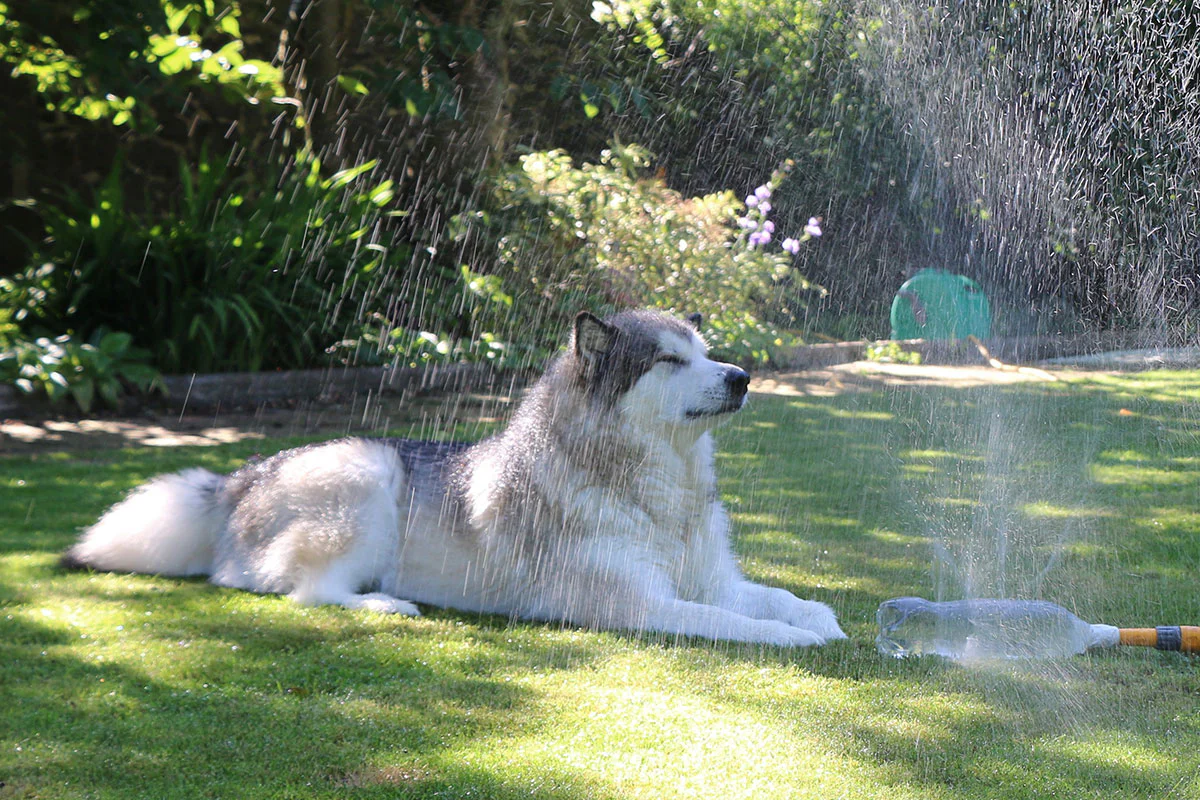
Summer heat can shift from pleasant to dangerous in a matter of minutes, especially for dogs. I have watched bright, energetic afternoons slow into heavy, panting silence once the temperature climbs too high. Dogs do not regulate heat the same way humans do, which means they rely heavily on their environment and on us to help them stay safe. Hot pavement, stagnant air, and high humidity create a combination that can overwhelm even the healthiest pup.
Panting and seeking shade are natural responses, but they are not always enough. Thick fur, dark coats, and certain body types make some dogs far more vulnerable than others. I have learned that proactive cooling measures make a significant difference, not only in comfort but in preventing serious heat-related illness. The right products can transform summer from stressful to manageable.
Over the years, I have tested different cooling tools in real-life conditions rather than relying on marketing claims. Some products delivered noticeable results within days, while others felt unnecessary. Through trial and observation, I built a system that supports my dog throughout the hottest months. This article shares what has worked and why these tools matter.
Cooling Mats That Draw Heat Away
Cooling mats quickly became a core part of my summer setup. Most of these mats use a pressure-activated gel that absorbs body heat once a dog lies down. They do not require refrigeration or electricity, which makes them practical for daily use. The simplicity of placing one on the floor and letting it work naturally appeals to me.
The cooling sensation is subtle rather than icy. That gentle effect is important because extreme cold can be uncomfortable or even harmful. I have noticed that after outdoor walks, my dog instinctively heads toward the mat and settles down more quickly than on regular flooring. The mat seems to shorten recovery time after exposure to heat.
Placement makes a noticeable difference in effectiveness. I position mats in shaded indoor areas where airflow is decent, rather than directly under sunlight. During peak heat hours, having more than one cooling zone allows my dog to move freely without searching for relief. Durability also matters, so I opt for puncture-resistant materials that can withstand claws and shifting weight.
Elevated Beds For Improved Airflow
Raised beds offer a different but equally valuable benefit. Instead of absorbing heat, they allow air to circulate underneath the dog’s body. That airflow prevents heat buildup, which can happen when a dog lies directly on a solid surface.
After introducing an elevated bed, I saw fewer restless shifts during nap time. My dog stretched out comfortably instead of constantly adjusting position. The breathable mesh fabric kept the surface from feeling stuffy or warm.
These beds are particularly useful in covered patios or shaded outdoor areas. They stay cooler than concrete and provide consistent ventilation. Cleaning them is simple as well, which is helpful during shedding season and summer dirt buildup.
Cooling Vests For Outdoor Activity
Outdoor walks during warm months require extra planning. Cooling vests help regulate temperature by using evaporative cooling. I soak the vest in water, wring out the excess, and secure it comfortably around my dog’s torso.
As the water evaporates, it pulls heat away from the body. The effect mimics how sweat cools human skin, but it works through fabric instead. I noticed that walks felt less taxing when the vest was properly fitted and adjusted.
Fit is crucial for effectiveness. A snug but comfortable fit ensures the cooling material stays in contact with the body. I always test it indoors before heading outside, watching for signs of irritation or restricted movement. Used properly, these vests extend safe outdoor time without pushing limits.
Lightweight Bandanas And Neck Wraps
Bandanas and neck wraps offer a lighter alternative to full vests. They focus on cooling the neck area, where major blood vessels run close to the surface. Targeting that zone can support overall temperature regulation.
These are convenient for short outings or quick errands. They are easy to pack, rinse, and reuse throughout the day. I appreciate how simple they are, especially when I need a fast solution without committing to a full vest.
While not as powerful as larger garments, they still contribute to a broader cooling strategy. Layering multiple moderate solutions often works better than relying on one heavy-duty product. The key is matching the tool to the level of activity.
Backyard Water Play Options
Water remains one of the most effective cooling elements. A sturdy dog pool in the yard provides immediate relief during peak heat. I fill it shallow enough for standing and lying down, ensuring safety while allowing full-body cooling.
Some dogs hesitate at first, but gentle encouragement helps them discover the comfort of cool water. Once familiar, water play becomes a favorite afternoon ritual. The physical activity combined with cooling water creates both exercise and relief.
Splash pads add a playful dimension. Instead of standing water, they spray gentle streams upward, creating constant movement. This option works well for dogs who enjoy chasing and interacting with water rather than lounging in it.
Cooling Towels For Quick Relief
Cooling towels are among the simplest tools in my rotation. I soak them in cool water and drape them over my dog’s back or belly after exercise. They provide immediate relief without requiring special equipment.
Refrigerating the towel briefly enhances the effect without making it excessively cold. I avoid freezing them solid, as extreme temperatures can cause discomfort. Moderation remains important even with cooling methods.
These towels work best as short-term interventions. They are ideal after a walk or active play session but not intended for extended wear. Combined with shade and hydration, they help stabilize body temperature efficiently.
Hydration Tools That Encourage Drinking
Water access forms the foundation of any heat strategy. Portable dog water bottles with built-in bowls have made outdoor trips far easier. I offer small amounts frequently instead of waiting until my dog appears thirsty.
Inside the house, I place multiple water bowls in different rooms. This encourages consistent drinking without requiring my dog to travel far. Fresh water is replaced regularly to maintain appeal and cleanliness.
On especially active days, I monitor intake more closely. Signs of dehydration can appear quickly in high heat. Proactive hydration prevents many issues before they escalate.
Travel Cooling Considerations
Summer travel introduces additional risks. Vehicles heat up rapidly, even during short stops. I plan trips carefully to avoid peak sun hours whenever possible.
Cooling crate pads can provide added comfort during drives. However, they supplement rather than replace proper air conditioning. Good ventilation and shade remain the primary safeguards.
Sunshades on windows and brief rest breaks contribute to safer travel. I never leave my dog unattended in a parked car, regardless of the duration. Heat can build faster than most people expect.
Indoor Climate Adjustments
Air conditioning offers direct relief, but not all homes maintain constant cooling. Fans positioned strategically can improve airflow significantly. Creating cross-ventilation between windows helps circulate fresh air.
Blackout curtains reduce indoor temperature by blocking direct sunlight. I close them during the hottest part of the day and reopen them once temperatures decline. This simple adjustment prevents rooms from becoming heat traps.
Hard flooring surfaces also provide natural cooling spots. Encouraging rest on tile or hardwood during peak heat hours can lower overall body temperature. Small environmental tweaks combine to produce noticeable comfort improvements.
Recognizing Signs Of Overheating
No product replaces observation. Excessive panting, drooling, lethargy, and disorientation signal potential overheating. I pay attention to subtle changes in posture and breathing patterns.
Warm ears, paws, and belly can indicate rising body temperature. Quick intervention with shade, water, and cooling tools can prevent progression. Heat stroke requires immediate veterinary care and should never be ignored.
Preparedness reduces panic. Having cooling supplies accessible means I can respond quickly if needed. Prevention remains far easier than emergency treatment.
Creating A Daily Summer Routine
Consistency shapes success during hot weather. I schedule walks early in the morning or later in the evening when temperatures are lower. Midday hours are reserved for indoor rest and controlled activity.
Rotating between cooling mats, elevated beds, water play, and light garments prevents overreliance on one method. Variety keeps my dog comfortable and engaged. Routine builds predictability, which reduces stress for both of us.
Seasonal adjustments feel less overwhelming when they become habit. Preparing in advance ensures that sudden heat waves do not catch us off guard. Planning ahead provides peace of mind.
Long-Term Benefits Of Heat Management
Proactive cooling does more than prevent emergencies. It supports overall well-being and maintains consistent energy levels. A comfortable dog is more relaxed, playful, and responsive.
Chronic overheating can strain the cardiovascular system. Reducing that strain preserves long-term health. Small investments in quality cooling products pay off over time.
I have found that combining practical tools with attentive care creates a balanced approach. No single product carries the entire burden. A layered system distributes responsibility across multiple safeguards.
Final Thoughts On Staying Ahead Of The Heat
Hot weather demands thoughtful preparation rather than reactive measures. Dogs depend entirely on us to interpret environmental risks and respond appropriately. Providing cooling options is part of responsible ownership.
Through experience, I have seen how the right products transform summer from a challenge into an enjoyable season. Cooling mats, elevated beds, water features, hydration tools, and strategic scheduling all contribute to a safer environment. Each element plays a specific role within a broader plan.
Comfort and safety go hand in hand. By remaining observant and prepared, I can ensure that rising temperatures do not compromise my dog’s well-being. Summer should bring play, sunshine, and relaxation, not unnecessary risk.
