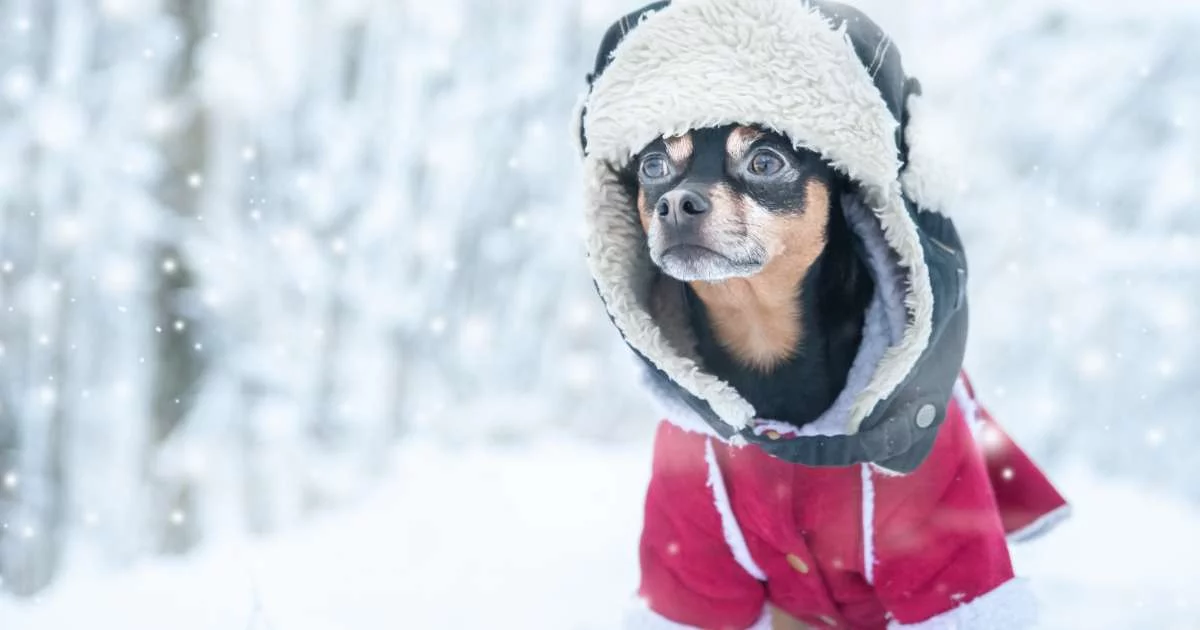
Cold weather changes everything for a dog. The air feels sharper, the ground gets unforgiving, and daily walks can shift from joyful sprints to hesitant steps. I have seen how quickly a drop in temperature can affect my dog’s mood and energy, especially during early morning outings when frost still clings to the grass. Preparing for winter is not about overdoing it or dressing a dog for style; it is about comfort, safety, and making sure the season stays enjoyable for both of us.
Winter gear has become a practical part of my routine once temperatures start dipping. Some dogs have thick coats that offer natural insulation, but many do not. Small breeds, senior dogs, puppies, and short-haired companions feel the cold much faster. Paying attention to how my dog reacts outdoors guides me toward the right gear, and over time I have learned that thoughtful preparation makes winter walks something we both look forward to rather than endure.
Why Winter Protection Matters For Dogs
Cold weather can be harder on dogs than many people assume. Prolonged exposure to low temperatures may lead to hypothermia or frostbite, especially on sensitive areas like ears, paws, and tails. Even before it reaches that point, discomfort can cause stiffness, reluctance to move, and a noticeable dip in enthusiasm. I have noticed that my dog’s usual bounce fades quickly if he feels chilled.
Certain breeds are naturally better equipped for cold climates. Huskies and Malamutes thrive in snow, while Greyhounds and Chihuahuas shiver at the slightest breeze. Age also plays a role, as older dogs often struggle with joint pain that worsens in cold conditions. Proper winter gear provides an extra layer of insulation and protection that supports overall health rather than just surface warmth.
Winter Coats And Jackets
A well-fitted coat can transform a brisk walk into a comfortable adventure. I always look for coats that cover the chest and extend along the back without restricting movement. Adjustable straps help create a snug fit without squeezing too tightly, and water-resistant materials are essential when snow or sleet is involved.
Insulated jackets with fleece or quilted linings trap body heat effectively. For wet climates, a waterproof outer shell prevents moisture from seeping in and chilling the skin. I prefer coats that are easy to put on and remove, especially when my dog is eager to head outside and patience is thin.
Reflective strips are another detail I appreciate during darker winter evenings. Shorter daylight hours mean visibility becomes a safety concern, and added reflectivity ensures we are seen by passing cars. A coat that balances warmth, fit, and safety quickly becomes a daily staple once winter sets in.
Sweaters For Mild Winter Days
Not every cold day calls for a heavy-duty jacket. On milder winter afternoons, a thick sweater often provides enough insulation without overheating. I keep a few sweaters on hand for days when the temperature is cool but not freezing, especially if the sun is out.
Knit and fleece sweaters offer softness and flexibility. They are easy to layer under a waterproof shell if weather conditions change unexpectedly. Breathable materials help regulate body temperature so my dog stays warm without becoming sweaty or uncomfortable.
Fit remains crucial with sweaters. If it rides up or restricts the shoulders, my dog will spend more time trying to shake it off than enjoying the walk. A good sweater feels like a second skin, providing warmth while allowing full freedom of movement.
Dog Boots And Paw Protection
Paws take the brunt of winter conditions. Ice, snow, and salted sidewalks can irritate or even damage paw pads. I have seen how quickly road salt causes dryness and cracking, and once that happens, recovery takes time and care.
Dog boots create a barrier against harsh surfaces and extreme cold. They protect against chemical deicers and prevent ice balls from forming between toes. It can take some patience to get a dog accustomed to wearing boots, but gradual introduction and positive reinforcement make a difference.
For dogs that resist boots, paw balms offer an alternative. These wax-based products create a protective layer that shields against minor irritants. While not as protective as boots, they provide added moisture and reduce the risk of cracking during shorter outings.
Thermal Base Layers
On particularly cold days, layering becomes essential. Thermal base layers designed for dogs act like insulated undergarments, trapping heat close to the body. I find them especially helpful during extended outdoor activities like hiking or camping trips in winter.
These base layers are usually lightweight and stretchy, allowing for natural movement. When paired with a jacket, they create a double barrier against frigid air. Dogs with short coats benefit the most from this added insulation, but even medium-coated breeds can appreciate the extra warmth during extreme cold snaps.
Choosing moisture-wicking materials prevents dampness from building up under outer layers. If a dog gets wet from snow, trapped moisture can actually make them colder. Proper layering keeps warmth consistent and comfortable.
Snoods And Neck Warmers
The neck and ears are often overlooked when preparing for winter. Cold wind can sting exposed skin, especially for dogs with thin fur around the neck. Snoods, which are soft tubular coverings worn around the neck and sometimes over the ears, offer surprising comfort.
I was initially skeptical about whether my dog would tolerate a snood, but the right fit made it almost unnoticeable for him. It shields sensitive areas from biting wind and adds an extra layer of insulation without bulk. For dogs prone to ear infections, keeping ears dry and warm can also reduce winter flare-ups.
Materials like fleece or knit fabric work well for snoods. They should be snug enough to stay in place but not so tight that they cause discomfort. This small accessory can make a noticeable difference during windy walks.
Heated Dog Beds
Warmth at home matters just as much as protection outdoors. Cold floors can sap body heat quickly, especially for senior dogs or breeds with thin coats. Heated dog beds provide consistent warmth and create a cozy resting spot during winter months.
Electric heated beds often come with chew-resistant cords and low-voltage settings designed for safety. For a simpler option, self-warming beds use reflective materials that capture and retain body heat. I placed one in my dog’s favorite sleeping area and immediately noticed he curled up more comfortably.
Proper placement away from drafts enhances the effectiveness of any heated bed. Combining warmth with soft cushioning also supports joints, which tend to stiffen in colder weather. A comfortable rest space helps dogs recharge after braving chilly conditions outside.
Waterproof Gear For Snowy And Wet Conditions
Snow can be beautiful, but melting slush quickly soaks through fur. Waterproof jackets and rain shells act as a shield against wetness that leads to rapid heat loss. I prioritize gear with sealed seams and secure closures to prevent leaks.
Wet fur not only makes a dog cold but can also cause skin irritation if left damp for too long. After particularly snowy walks, I towel-dry my dog thoroughly before settling indoors. Waterproof gear reduces the amount of moisture that reaches the skin in the first place.
Hoods are generally unnecessary for most dogs, but extended collars can block wind and light snowfall. A balance between protection and comfort ensures the gear supports rather than frustrates.
Indoor Winter Comfort Accessories
Winter care extends beyond outdoor gear. Draft stoppers, thicker blankets, and elevated beds all contribute to maintaining warmth indoors. I rearranged furniture slightly one year to move my dog’s sleeping area away from a drafty window, and the improvement in comfort was obvious.
Soft fleece throws offer an extra layer during particularly cold nights. Dogs often seek warmth naturally, curling into tight balls to conserve heat. Providing plush, insulating materials supports that instinct while enhancing comfort.
Humidifiers can also help during dry winter months. Heated indoor air often reduces humidity, which can dry out skin and paws. Maintaining balanced indoor air contributes to overall comfort and health throughout the season.
Monitoring Your Dog’s Comfort Level
Gear alone does not guarantee warmth. I pay close attention to my dog’s behavior during outings, watching for signs like shivering, lifting paws repeatedly, or slowing down unexpectedly. These cues signal that it may be time to head home or add an extra layer.
Shortening walks during extreme cold protects against overexposure. Even with a coat and boots, prolonged time outside in subzero temperatures can be risky. Adjusting activity levels according to weather conditions helps maintain safety without sacrificing routine.
Hydration remains important in winter as well. Cold air can still lead to dehydration, especially if indoor heating dries the environment. Fresh water and balanced nutrition support a healthy coat and strong immune system during colder months.
Grooming Considerations In Winter
Winter grooming plays a subtle but important role in warmth. Trimming fur too short before cold weather removes natural insulation, so I time grooming appointments carefully. Regular brushing prevents matting, which can trap moisture close to the skin and reduce insulating ability.
Bathing frequency may need slight adjustments. Frequent baths can strip natural oils that help maintain coat health and warmth. Using gentle, moisturizing shampoos supports skin health while preserving protective oils.
Paw care deserves ongoing attention. Checking between toes for ice buildup and wiping paws after walks prevents irritation from salt and debris. Consistent grooming complements winter gear by ensuring the body’s natural defenses remain intact.
Making Winter Enjoyable
Winter does not have to mean staying indoors. With the right preparation, snowy walks and crisp air can feel invigorating. I have found that once my dog is properly outfitted, he regains his playful energy and trots confidently through frosty paths.
Building positive associations with winter gear helps immensely. Treats, praise, and patience during the adjustment phase encourage cooperation. Over time, my dog learned that a coat or boots meant adventure rather than restriction.
Seasonal changes require thoughtful adaptation. By investing in quality winter gear and staying attentive to comfort signals, I create an environment where my dog can thrive despite the cold. The season becomes less about enduring harsh conditions and more about embracing them together, bundled up and ready for whatever winter brings.
