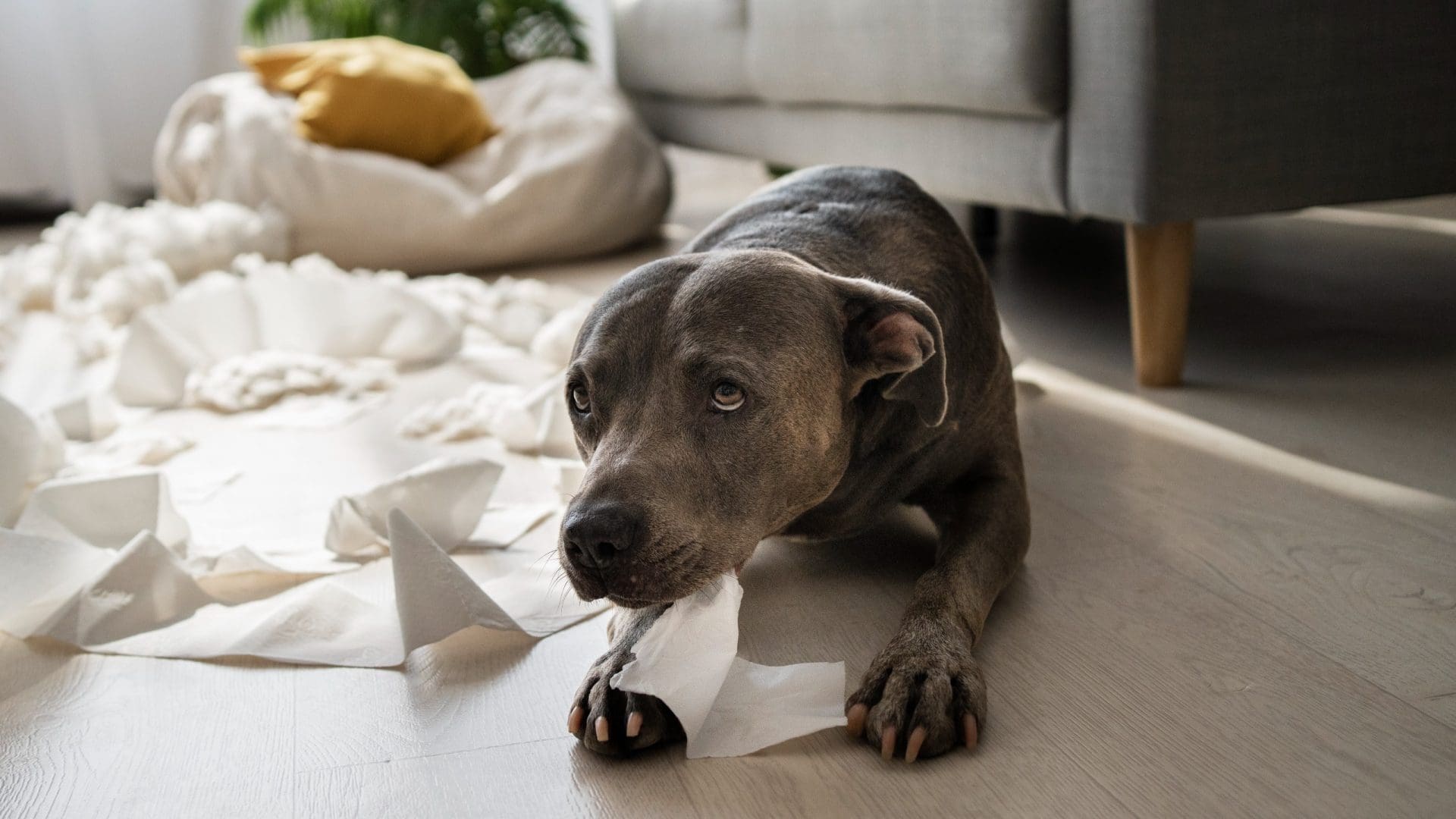
I have lived with enough puppies and adult dogs to know that chewing is not a random act of rebellion. It can feel personal when your favorite shoes are shredded or the corner of your couch looks like it survived a storm, but chewing is deeply wired into a dog’s biology. The problem is not that dogs chew. The problem is that they chew the wrong things, often at the worst possible time.
In my experience, stopping destructive chewing is less about punishment and more about clarity. Dogs need direction, consistency, and an outlet for their natural urges. Once I stopped seeing chewing as “bad behavior” and started seeing it as communication, everything changed. The damage decreased, the stress in my home dropped, and my dogs became more relaxed.
This article explores why dogs chew and how I guide them toward healthier habits without turning my house into a battlefield.
Chewing Is A Natural Instinct, Not A Personal Attack
Chewing begins long before a puppy enters our homes. In the wild, dogs and their ancestors used their teeth to tear food, explore objects, and relieve stress. That instinct did not disappear simply because we replaced forests with living rooms. A dog’s mouth is a primary tool for interacting with the world.
Puppies explore with their mouths the same way toddlers use their hands. Textures, tastes, and resistance all provide feedback. A table leg feels different from a rubber toy, and to a curious young dog, that difference is fascinating. Without guidance, curiosity can quickly become destruction.
Adult dogs chew for similar reasons, although their motivation may shift. Some chew to release pent-up energy. Others chew to soothe anxiety. In all cases, the act itself is normal. The challenge lies in directing it appropriately.
Teething Can Turn Sweet Puppies Into Tiny Shredders
Teething is one of the biggest drivers of destructive chewing in young dogs. Between three and six months of age, puppies experience significant discomfort as their baby teeth fall out and adult teeth push through. Their gums can feel sore, itchy, and inflamed.
I have watched otherwise calm puppies turn restless and mouthy during this stage. They seek relief anywhere they can find it, which often means chair legs, baseboards, and whatever fabric is within reach. The pressure of chewing temporarily eases the irritation in their gums, so they repeat the behavior.
Providing safe, durable chew toys during this period makes a dramatic difference. Cold chew toys can be especially soothing, as the chill helps reduce gum inflammation. Redirection needs to be immediate and consistent, because a teething puppy will not connect punishment delivered minutes later to the act of chewing.
Boredom Fuels Destruction
A bored dog is a creative dog, and creativity sometimes shows up in the form of shredded cushions. Dogs are intelligent animals that need both physical and mental stimulation. Without outlets, their energy spills into whatever is available.
I have seen this pattern most clearly in high-energy breeds. After a long day indoors without exercise, chewing becomes a self-made activity. It is not about spite. It is about filling empty hours.
Increasing structured exercise and mental enrichment reduces destructive chewing significantly. Puzzle toys, scent games, and training sessions engage a dog’s brain in ways that simple free time does not. A tired dog, mentally and physically, is far less likely to dismantle a coffee table.
Anxiety And Stress Show Up In The Mouth
Chewing can also signal emotional distress. Dogs that experience separation anxiety often chew on doors, window frames, or objects that carry their owner’s scent. The behavior can escalate quickly because it serves as a coping mechanism.
In my home, I noticed that chewing incidents increased during changes in routine. A move to a new house or a shift in work schedule created uncertainty. My dogs responded by chewing items that smelled familiar, as if they were trying to ground themselves.
Addressing anxiety requires more than offering a chew toy. Gradual desensitization to triggers, consistent routines, and sometimes professional guidance make a difference. In severe cases, consulting a veterinarian or behavior specialist becomes necessary. Chewing tied to anxiety will not disappear until the emotional root is addressed.
Attention Seeking Can Reinforce The Habit
Dogs are masters at reading human reactions. If chewing results in loud voices, chasing, or dramatic gestures, it may become an effective strategy for gaining attention. Even negative attention can reinforce the behavior if it consistently produces interaction.
I once had a dog who would grab a sock and run the moment I started working on my laptop. The chase that followed became part of the game. Only after I stopped reacting dramatically and began redirecting calmly did the pattern fade.
The key is to avoid turning destructive chewing into entertainment. Quietly removing the object and replacing it with an appropriate chew item sends a clear message. Praise for engaging with the correct item builds a stronger habit over time.
How I Puppy-Proof My Home
Prevention saves a tremendous amount of frustration. Instead of expecting a young dog to resist temptation in a fully accessible house, I modify the environment. Shoes go into closed closets. Cords are covered or out of reach. Valuable items are stored safely.
Crates and playpens also play a role in managing chewing. They are not punishment tools but safe spaces where a puppy can relax without access to dangerous objects. Proper crate training ensures the space feels secure rather than restrictive.
Limiting freedom until trust is earned protects both the dog and the home. Gradual increases in access allow the dog to demonstrate reliability. Each successful day builds a foundation of good habits.
Redirecting Instead Of Punishing
Punishment often addresses the symptom rather than the cause. Yelling may interrupt the behavior in the moment, but it does not teach a dog what to do instead. In some cases, it increases anxiety, which can fuel more chewing later.
Redirection works because it provides an alternative. If I catch my dog chewing on a table leg, I calmly interrupt and immediately offer a suitable chew toy. The transition needs to happen quickly so the dog associates relief with the correct object.
Consistency is essential. If chewing furniture is sometimes ignored and sometimes punished, confusion follows. Clear, steady responses create clarity. Over time, the dog begins to seek out approved items without prompting.
The Power Of Appropriate Chew Toys
Not all chew toys are created equal. Some dogs prefer softer textures, while others need heavy-duty materials to withstand strong jaws. Observing a dog’s chewing style helps determine what works best.
I rotate chew toys to maintain interest. Novelty can reignite enthusiasm for appropriate objects. When toys are always available in the same spot and never change, they lose their appeal.
Safety remains a top priority. Toys that splinter or break into small pieces can pose choking hazards. Supervised chewing sessions allow me to monitor wear and replace items before they become dangerous.
Exercise Is Non-Negotiable
Physical activity is one of the most effective tools for reducing destructive behavior. Long walks, structured play sessions, and opportunities to run in safe areas release excess energy. A dog that has burned off energy is less likely to search for mischief.
I aim for a balance between high-energy play and calmer activities. Fetch sessions followed by a short training drill create both physical and mental engagement. The combination leaves my dogs satisfied rather than overstimulated.
Skipping exercise for several days almost always leads to increased chewing attempts. The pattern is predictable enough that I treat movement as a daily requirement rather than an optional activity.
Training Builds Impulse Control
Basic obedience training does more than teach commands. It strengthens communication and builds impulse control. Commands like “leave it” and “drop it” become invaluable in moments when a dog targets the wrong object.
I practice these cues regularly in low-stress situations before relying on them during real challenges. Repetition in calm settings makes the behavior reliable under pressure. Reward-based methods encourage cooperation rather than fear.
Impulse control exercises, such as waiting for permission before taking a treat, also transfer to chewing situations. A dog that learns to pause and look for guidance becomes easier to redirect.
Managing Alone Time
Many chewing incidents occur when dogs are left unsupervised. Planning ahead for alone time reduces the likelihood of damage. Safe chew toys, puzzle feeders, and confined spaces create structure during absences.
Gradual departures help dogs build tolerance for being alone. Short periods apart that gradually increase in duration prevent overwhelming anxiety. Consistency in departure and return routines also lowers stress.
Monitoring progress through small steps ensures that alone time does not become a trigger. If destruction continues, it may signal deeper anxiety that needs targeted intervention.
Reading The Signals Before Damage Happens
Dogs rarely move from calm to destructive without warning. Restlessness, pacing, and increased sniffing around objects often precede chewing. Paying attention to these cues allows early intervention.
I have learned to notice subtle changes in body language. A puppy circling the coffee table repeatedly may be testing boundaries. Redirecting at that stage is far easier than responding after the table leg is damaged.
Staying observant prevents frustration from escalating. Early redirection keeps the experience neutral rather than emotional.
Patience Creates Long-Term Results
Stopping destructive chewing does not happen overnight. Habits form through repetition, and they fade the same way. Expecting instant perfection sets both dog and owner up for disappointment.
Progress may look uneven at first. Several good days might be followed by one setback. Rather than seeing that as failure, I treat it as part of the process.
Patience, paired with consistency, produces lasting change. Dogs thrive in environments where expectations are clear and responses are steady.
Building A Relationship Based On Trust
Chewing often decreases as trust grows. A dog that feels secure, stimulated, and understood has fewer reasons to act out. The relationship between dog and owner influences behavior more than many people realize.
Spending quality time together strengthens that bond. Training sessions, playtime, and quiet companionship create stability. A dog that feels connected seeks guidance rather than conflict.
Trust transforms correction from confrontation into collaboration. The dog begins to look for direction instead of testing limits.
Accepting That Chewing Will Never Fully Disappear
Even well-trained adult dogs chew. The difference is that they learn what is acceptable. Expecting a dog to stop chewing entirely ignores its natural instincts.
Providing lifelong access to appropriate outlets respects who they are. Chewing can be calming and enriching when directed properly. Eliminating it altogether is neither realistic nor necessary.
My goal has never been to erase the behavior. Instead, I focus on channeling it into safe and constructive forms.
A Home That Works For Both Of Us
Living with dogs requires adjustment. Furniture may need protection, and routines may shift. These compromises are part of sharing space with another living being.
The reward for that effort is immense. A dog that once shredded everything in sight can grow into a reliable companion with guidance and structure. Watching that transformation is deeply satisfying.
Destructive chewing is not a sign of a bad dog. It is a sign of unmet needs, curiosity, stress, or youthful development. Addressing the root cause rather than reacting to the damage changes everything. Through patience, consistency, and empathy, chewing becomes manageable, and the home returns to harmony without sacrificing the spirit of the dog.
