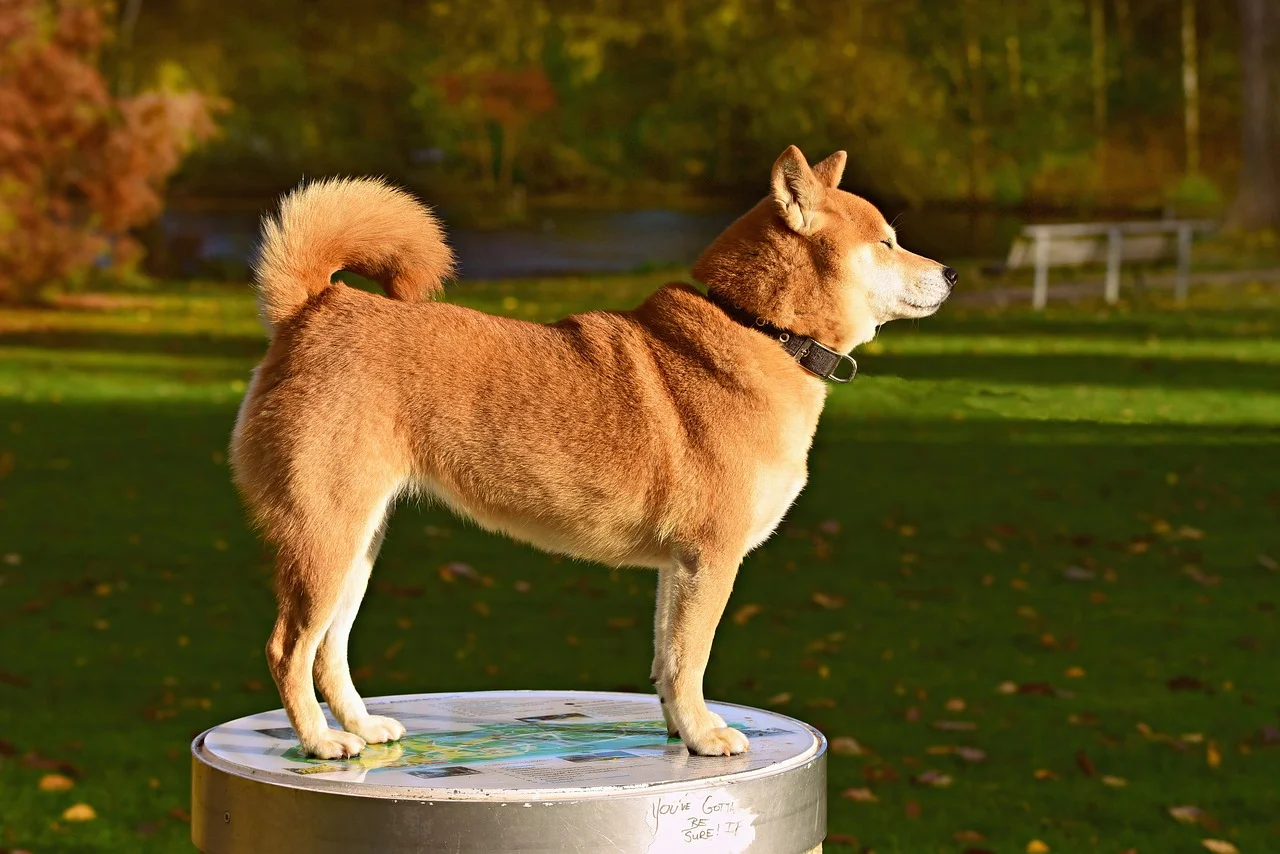
Living with a dog has taught me that communication does not depend on words. My dog speaks constantly, not with sentences but with posture, movement, breath, and expression. The more time I spend paying attention, the more I realize that silence between us is never truly silent. Every wag, glance, stretch, and shift of weight carries meaning, and once I began noticing those signals, our relationship deepened in ways I never expected.
Dogs are observant creatures. They watch us closely, studying our routines and moods, and they respond in kind. Yet for a long time, I focused mostly on what I was saying to my dog instead of what my dog was saying to me. I gave commands and expected responses, assuming that was the full extent of our exchange. It took patience and humility to recognize that my dog had been communicating all along, and I simply had not been fluent.
Body language forms the foundation of how dogs interact with the world. Before a bark ever leaves their mouth, their body has already revealed how they feel. A stiff posture might signal tension, while a loose, wiggly frame often points to excitement or comfort. Watching these cues in context has become one of the most valuable skills I’ve developed as a dog owner.
The Tail Tells a Story
The tail is often the first place I look, though I have learned not to oversimplify what it means. A wagging tail does not automatically equal happiness. The height, speed, and stiffness of the wag can reveal very different emotional states. A broad, sweeping wag at mid-level usually signals friendly engagement, especially when the rest of the body looks relaxed.
A high, rigid wag paired with a tense body can indicate alertness or even agitation. In those moments, my dog’s movements feel controlled rather than carefree. On the other hand, a low tail tucked close to the body tends to signal fear or uncertainty. Observing the tail in combination with ears, eyes, and posture helps me interpret the full message rather than jumping to conclusions.
Over time, I began noticing subtle variations unique to my own dog. Excitement before a walk produces a fast, loose wag that seems to ripple through the entire body. Meeting a new person, however, brings a slower, more cautious movement until my dog decides the situation is safe. Those nuances remind me that body language is personal, even within general patterns.
Eyes Speak Volumes
A dog’s eyes carry layers of emotion. Soft, relaxed eyes with normal blinking usually indicate comfort and trust. When my dog gazes at me in a calm way, with eyelids slightly lowered, I feel a quiet connection that does not require any words. That softness tells me my presence feels safe.
Wide eyes with visible whites, sometimes called whale eye, often signal stress or discomfort. I have seen this expression when my dog feels cornered or uneasy. The body may freeze slightly, and the gaze shifts sideways without turning the head. Recognizing that look allows me to intervene gently, creating space before tension escalates.
Direct staring can carry different meanings depending on context. During play, a brief, lively stare might invite interaction. In a tense situation, prolonged eye contact can signal challenge or anxiety. Paying attention to the environment and the rest of the body helps me interpret whether the gaze is playful, curious, or defensive.
Ears Reveal Attention And Emotion
Ears are surprisingly expressive. When my dog’s ears perk forward, it usually means curiosity or alertness. A sudden sound or unfamiliar movement often triggers that forward tilt. The body becomes still, and the focus sharpens as my dog processes what is happening.
Pinned-back ears can signal fear, submission, or even excitement depending on the situation. During joyful greetings, my dog’s ears sometimes flatten while the body wiggles energetically. In contrast, flattened ears paired with a crouched posture suggest insecurity or worry. Context makes all the difference.
Even subtle ear shifts can reveal shifting emotions. A slight flick backward during petting may indicate sensitivity or mild discomfort. Observing those small changes has helped me adjust how I interact, ensuring that affection feels comforting rather than overwhelming.
Posture And Weight Distribution
A dog’s overall posture often communicates more clearly than any single body part. A relaxed dog stands with balanced weight, loose muscles, and fluid movement. The spine appears neutral, and transitions between actions feel smooth. In those moments, my dog seems open and at ease.
Tension shows up quickly in posture. A stiffened body, raised hackles, and forward-leaning stance may indicate arousal or defensive readiness. I have noticed that even a subtle shift of weight onto the front legs can signal heightened alertness. Responding early, before barking or lunging occurs, has made difficult situations far easier to manage.
Cowering or lowering the body toward the ground typically signals fear or submission. My dog may shrink slightly, tuck the tail, and avoid direct eye contact. Offering reassurance without forcing interaction helps rebuild confidence. These moments remind me that body language often expresses vulnerability long before vocalizations do.
The Play Bow And Social Signals
One of my favorite signals is the play bow. When my dog lowers the front legs while keeping the hindquarters raised, the invitation is unmistakable. That posture communicates fun, not threat, even if growling or barking follows during play. It sets the tone for interaction.
Dogs use exaggerated movements to clarify playful intent. Bouncy steps, loose spinning, and quick retreats signal that the energy is friendly. Watching my dog interact with others has shown me how clearly they negotiate play through movement. Pauses and resets happen naturally to ensure both dogs remain comfortable.
If play becomes too intense, body language shifts. Movements may grow stiff, and pauses disappear. Recognizing that change allows me to step in gently before misunderstandings escalate. Healthy play depends on mutual comfort, and body cues provide the clearest insight into that balance.
Stress Signals And Calming Behaviors
Dogs display subtle stress signals that are easy to miss. Lip licking, yawning when not tired, and turning the head away can all indicate discomfort. I once overlooked these signs, assuming they were random behaviors. With experience, I realized they often appear during situations that feel overwhelming.
Sniffing the ground suddenly during a tense encounter can function as a calming signal. My dog sometimes uses this behavior to diffuse social pressure. It looks ordinary, but in context it communicates a desire to de-escalate. Respecting those signals has improved our outings significantly.
Scratching or shaking off as if wet can also release tension. After a mildly stressful event, my dog often performs a full-body shake. That simple action seems to reset the nervous system. Observing these small cues reminds me that stress does not always arrive loudly.
Vocalizations And Their Physical Partners
Barking, whining, and growling rarely exist in isolation. Each sound pairs with physical cues that clarify meaning. A high-pitched bark with bouncing movements often expresses excitement. A low growl combined with stiffness signals caution.
Whining can reflect anticipation, frustration, or anxiety depending on posture. When my dog whines before mealtime while pacing lightly, the energy feels eager rather than distressed. In contrast, whining paired with tucked tail and lowered body suggests unease. Interpreting sound without body language would leave too much room for error.
Growling deserves careful attention. It functions as communication, not misbehavior. When I respond to a growl by addressing the underlying discomfort rather than punishing the sound, trust strengthens. My dog learns that expressing feelings leads to support rather than reprimand.
Building Trust Through Observation
Consistent observation has reshaped how I train and interact. Instead of waiting for obvious problems, I watch for early signals. A slight tightening of posture or subtle avoidance cue tells me adjustments are needed. Acting at that stage prevents escalation.
Trust grows when a dog feels heard. By responding to small signals, I show that communication matters. My dog becomes more confident expressing needs because those expressions lead to understanding. The relationship becomes cooperative rather than controlling.
Patience plays a significant role in this process. Body language unfolds in seconds, but interpreting patterns takes time. Repeated exposure to different environments reveals how context influences behavior. Each walk, visitor, and new experience adds to my fluency.
Puppies And Early Communication
Puppies communicate just as clearly, though sometimes more dramatically. Their movements are often exaggerated, making emotions easier to spot. A frightened puppy may freeze suddenly, while an excited one may bounce uncontrollably. These extremes offer valuable learning opportunities.
Early socialization depends heavily on reading these cues. If a puppy shows signs of overwhelm, pushing forward can create lasting fear. Allowing space and gradual exposure fosters resilience. Observing carefully helps shape positive experiences during formative months.
Play among puppies also demonstrates clear communication patterns. Frequent pauses, role reversals, and loose bodies indicate healthy interaction. Intervening only when necessary teaches puppies that their own signals are effective tools for navigating social situations.
Context Shapes Meaning
No single gesture holds universal meaning. A wagging tail at the park differs from the same wag at the veterinarian’s office. Environment, history, and individual temperament all influence interpretation. That complexity keeps me attentive.
I have learned to read clusters of signals rather than isolated ones. Tail position, ear placement, eye expression, and muscle tension combine to tell a fuller story. Ignoring one element risks misunderstanding the message. Looking at the whole picture reduces guesswork.
Experience sharpens perception over time. Situations that once felt confusing now appear clearer because I recognize familiar patterns. Each interaction builds on previous knowledge, refining my ability to respond appropriately.
Strengthening The Human-Dog Bond
The act of observing my dog’s body language has changed how I view companionship. Communication no longer flows in one direction. Instead, it feels like a dialogue shaped by attention and respect. My dog’s confidence has grown alongside my awareness.
Misunderstandings still happen, but they occur less frequently. When tension arises, I search for the earliest signal I may have missed. That reflection encourages growth rather than frustration. Improvement comes from curiosity, not blame.
A strong bond depends on mutual trust. By honoring body language, I acknowledge my dog as an active participant in our relationship. That acknowledgment deepens loyalty and connection in ways commands alone never could.
Living In Conversation Without Words
Daily life with a dog feels like an ongoing conversation built from movement and expression. Morning stretches, eager spins near the leash, quiet sighs before sleep all carry meaning. Paying attention transforms routine moments into meaningful exchanges.
This silent dialogue requires presence. Distraction makes subtle cues easy to overlook. When I slow down and observe, I notice shifts that once escaped me. Those observations guide decisions in real time.
Body language offers a window into emotional well-being. Changes in posture or expression can signal discomfort, illness, or stress before obvious symptoms appear. Staying attentive supports not only behavior but overall health.
Developing fluency in this visual language has been one of the most rewarding aspects of sharing my life with a dog. Each gesture forms part of a complex vocabulary shaped by instinct and experience. Responding thoughtfully strengthens our connection day after day.
Communication thrives when both sides feel seen. By tuning into posture, gaze, movement, and subtle signals, I step into my dog’s world more fully. That effort transforms coexistence into partnership. The result is a relationship grounded not just in affection, but in genuine understanding.
