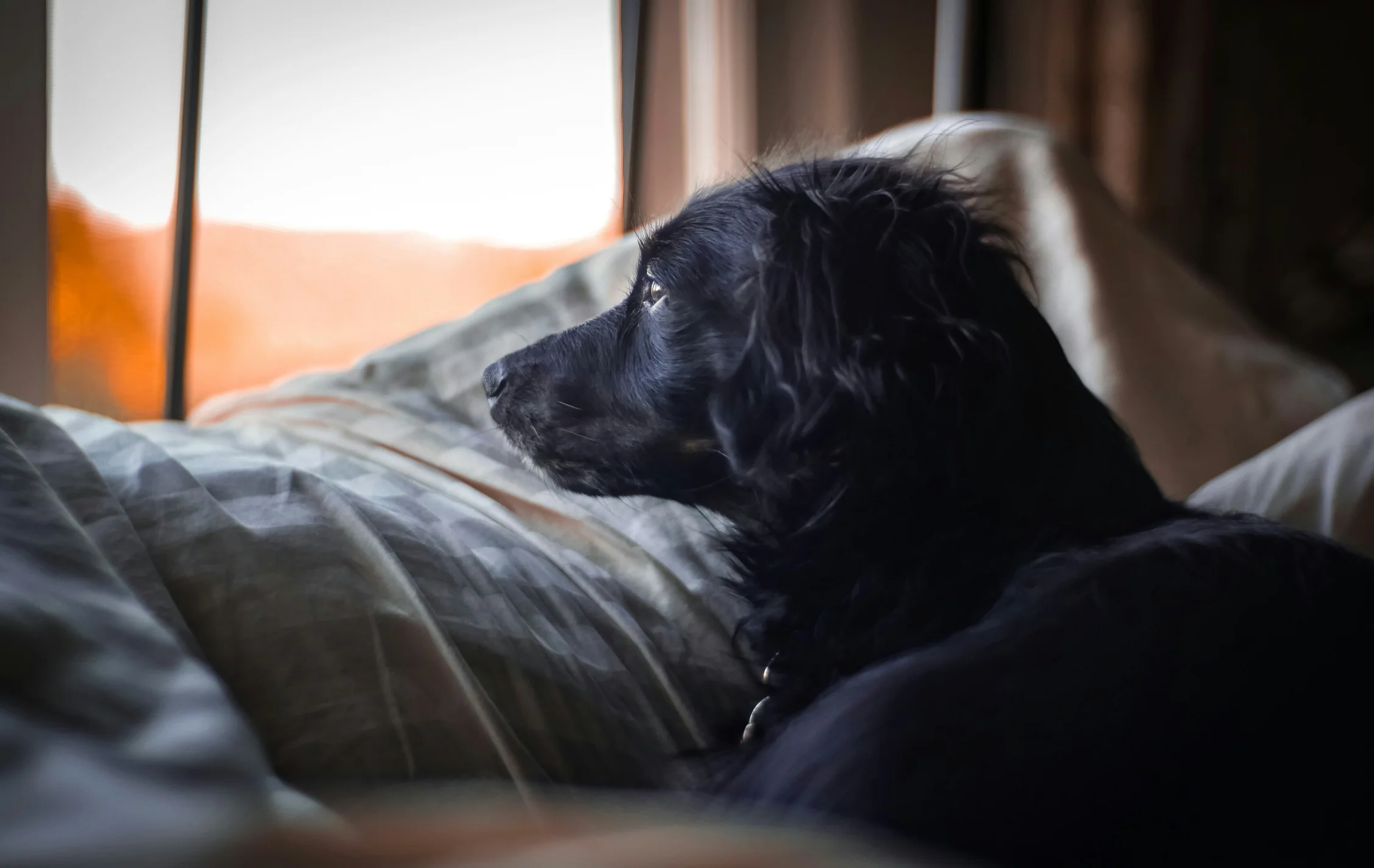
Separation anxiety in puppies can turn an ordinary day into an emotional rollercoaster. I have seen how quickly a peaceful home shifts when a puppy panics the moment the door closes. The barking starts, the scratching follows, and guilt settles in before I even reach the car. This issue runs deeper than simple mischief, and it deserves patience, clarity, and a thoughtful plan.
Living with a puppy who struggles to be alone forces me to look beyond surface behaviors. Chewed furniture and puddles on the floor are not acts of defiance. They are signals of distress. By paying close attention to those signals, I have learned how to ease anxiety instead of accidentally reinforcing it.
Separation anxiety does not mean a puppy is spoiled or overly attached. It means they feel unsafe when left alone. My role becomes helping them build confidence step by step, so being alone no longer feels terrifying.
What Separation Anxiety Really Means
Separation anxiety is a state of intense stress that occurs when a puppy is separated from their primary caregiver. It goes beyond normal whining for attention. Most puppies will protest briefly when left alone, but those with true anxiety experience overwhelming fear. Their bodies react as though they are in danger, even if they are safe inside the home.
I have noticed that anxious puppies often lose control of their emotions the moment departure cues appear. Picking up keys, putting on shoes, or grabbing a bag can trigger pacing and trembling. These reactions happen because they associate those signals with isolation. Over time, the anticipation becomes as stressful as the actual absence.
It is important to separate anxiety from boredom. A bored puppy may chew or bark occasionally, but an anxious puppy displays panic-driven behavior. The difference shows in intensity, frequency, and physical signs of stress.
Common Causes Behind The Panic
Several factors contribute to separation anxiety, and rarely is it just one thing. Sudden routine changes often play a major role. A family member returning to work after spending weeks at home can leave a puppy confused and distressed. Their world shifts abruptly, and they struggle to adapt.
Rehoming or early separation from the mother can also increase vulnerability. Puppies who experienced instability during critical development periods sometimes develop heightened attachment. I have seen rescue puppies cling more intensely because they fear abandonment again.
Traumatic experiences, even minor ones from a human perspective, may leave a lasting imprint. A loud storm while alone or a long, unexpected absence can create strong negative associations. Without gradual exposure to alone time early on, some puppies never learn that solitude is temporary and safe.
Early Warning Signs I Learned To Recognize
The signs of separation anxiety often begin subtly. Restlessness is usually the first clue I notice. A puppy might follow me from room to room, unable to settle unless I am within sight.
Vocalization increases as departure approaches. Whining, howling, or barking begins before I even step outside. These sounds are not attention-seeking theatrics; they are cries of distress.
Destructive behavior frequently targets doors and windows. Scratching at exit points reflects a desperate attempt to reunite. Drooling, panting, and accidents indoors can occur even in fully house-trained puppies. Physical symptoms reveal how deeply anxiety affects their nervous system.
The Emotional Toll On Both Of Us
Separation anxiety does not affect only the puppy. I have felt frustration, guilt, and helplessness when returning to a chaotic scene. The damage to furniture matters far less than the realization that my puppy suffered in my absence.
Friends sometimes offer simple advice like ignoring the behavior or using punishment. Those methods rarely solve the problem and often make it worse. Punishment increases fear, and fear is already at the root of the issue.
Balancing work, errands, and training requires commitment. Accepting that progress may be slow helps reduce unrealistic expectations. Healing anxiety is not an overnight transformation but a gradual process built on trust.
Building Independence Step By Step
Helping a puppy gain confidence begins with very small separations. I started by leaving the room for just a few seconds. Returning calmly before panic escalated taught my puppy that absence does not equal abandonment.
Gradually increasing duration makes a noticeable difference. Five seconds becomes fifteen, then thirty, then a minute. Each step depends on success at the previous level. Rushing ahead can undo progress and reinforce anxiety.
Calm departures and arrivals are equally important. Dramatic goodbyes heighten emotional intensity. Quietly stepping out and returning without fanfare communicates stability. My energy influences my puppy more than I once realized.
Managing Departure Triggers
Departure cues can trigger anxiety long before I leave. To reduce their power, I began practicing them without actually going anywhere. I would pick up my keys, walk around the house, then sit back down.
Repeating this exercise desensitizes the association between cues and absence. Shoes on does not always mean goodbye. A bag in hand does not always signal hours alone.
Consistency is essential for this strategy to work. Mixing real departures with harmless cue exposure helps break the predictive chain. Over time, the intensity of the reaction begins to fade.
Creating A Safe And Comforting Space
Designating a calm area in the home can support emotional security. I set up a cozy corner with a comfortable bed and familiar scents. Soft background noise, like gentle music or white noise, sometimes reduces startling reactions.
Some puppies feel secure in crates when properly introduced. Others prefer open spaces. Observing body language helps determine which environment feels safer.
Interactive toys provide distraction, but they are not a cure on their own. Food puzzles or frozen treats can redirect focus during short absences. The goal is pairing alone time with positive experiences, not relying solely on entertainment.
Exercise And Mental Stimulation Matter
A well-exercised puppy handles stress better. Physical activity burns excess energy and promotes relaxation. Before planned absences, I make sure my puppy has had a structured walk or play session.
Mental stimulation is equally powerful. Training sessions, scent games, and problem-solving activities tire the brain. A mentally satisfied puppy is less likely to spiral into anxiety.
Balance remains key. Overexcitement right before departure can increase arousal levels. Calm, structured activity followed by quiet time creates a smoother transition.
Gradual Exposure Training
Gradual exposure forms the backbone of anxiety treatment. I began tracking how long my puppy could stay calm alone. That baseline became the starting point for structured practice.
Using a timer helped maintain consistency. I would leave for a duration shorter than the anxiety threshold and return before distress began. Repetition builds resilience.
Some days progress stalls or regresses. That does not mean failure. Stress from unrelated events, like loud noises or visitors, can temporarily lower tolerance. Adjusting expectations during those times protects confidence.
The Role Of Professional Guidance
Severe cases may require help from a veterinarian or certified trainer. Consulting professionals provides insight tailored to individual needs. Medication can sometimes support training by lowering overall anxiety levels.
Behavior specialists focus on evidence-based methods. They emphasize desensitization and counterconditioning rather than punishment. Their guidance reassures me that I am not navigating the challenge alone.
Seeking assistance is not a sign of weakness. It reflects commitment to a puppy’s emotional well-being. Early intervention often prevents escalation.
Avoiding Common Mistakes
One mistake I made early on was extending absences too quickly. Progress felt encouraging, so I assumed doubling time would be harmless. Instead, anxiety resurfaced stronger than before.
Another misstep involved excessive reassurance during anxious moments. While comfort feels natural, reinforcing panic can unintentionally validate fear. Calm neutrality works better than dramatic soothing.
Punishment remains the most damaging approach. Scolding a puppy for destruction after returning home only creates confusion. They cannot connect discipline with past behavior, and it amplifies insecurity.
Patience As A Long-Term Commitment
Addressing separation anxiety requires endurance. Results unfold over weeks or months rather than days. Measuring success in small improvements helps sustain motivation.
I remind myself that confidence grows gradually. A puppy who once panicked after ten seconds may eventually relax for an hour. Celebrating those milestones builds momentum.
Consistency creates reliability. Repeating the same calm responses, structured departures, and gradual training sessions reinforces safety. Over time, fear loses its intensity.
Strengthening The Bond Without Encouraging Dependence
Deep connection and independence can coexist. I prioritize quality interaction through play, training, and affection. Engaged time together strengthens trust.
At the same time, I encourage short periods of self-settling while I am home. If my puppy naps in another room, I allow that independence. Constant shadowing can unintentionally reinforce reliance.
Balanced attachment fosters resilience. My puppy learns that closeness is secure, but solitude is manageable.
Hope For The Future
Progress with separation anxiety often arrives quietly. One day I realize the house remains calm after a brief errand. The silence feels different, not tense but peaceful.
Setbacks may still occur. Growth rarely follows a straight line. With steady guidance, most puppies improve significantly.
Living through this challenge has deepened my empathy. Anxiety is not stubbornness or defiance. It is fear asking for reassurance through structure and patience. By responding with consistency rather than frustration, I help transform panic into confidence, one small absence at a time.
Separation anxiety can feel overwhelming, yet it is treatable. Commitment, observation, and gradual training form the foundation of change. Watching a once-anxious puppy relax alone brings immense satisfaction. That transformation reminds me why persistence matters and why compassion always leads the way forward.
