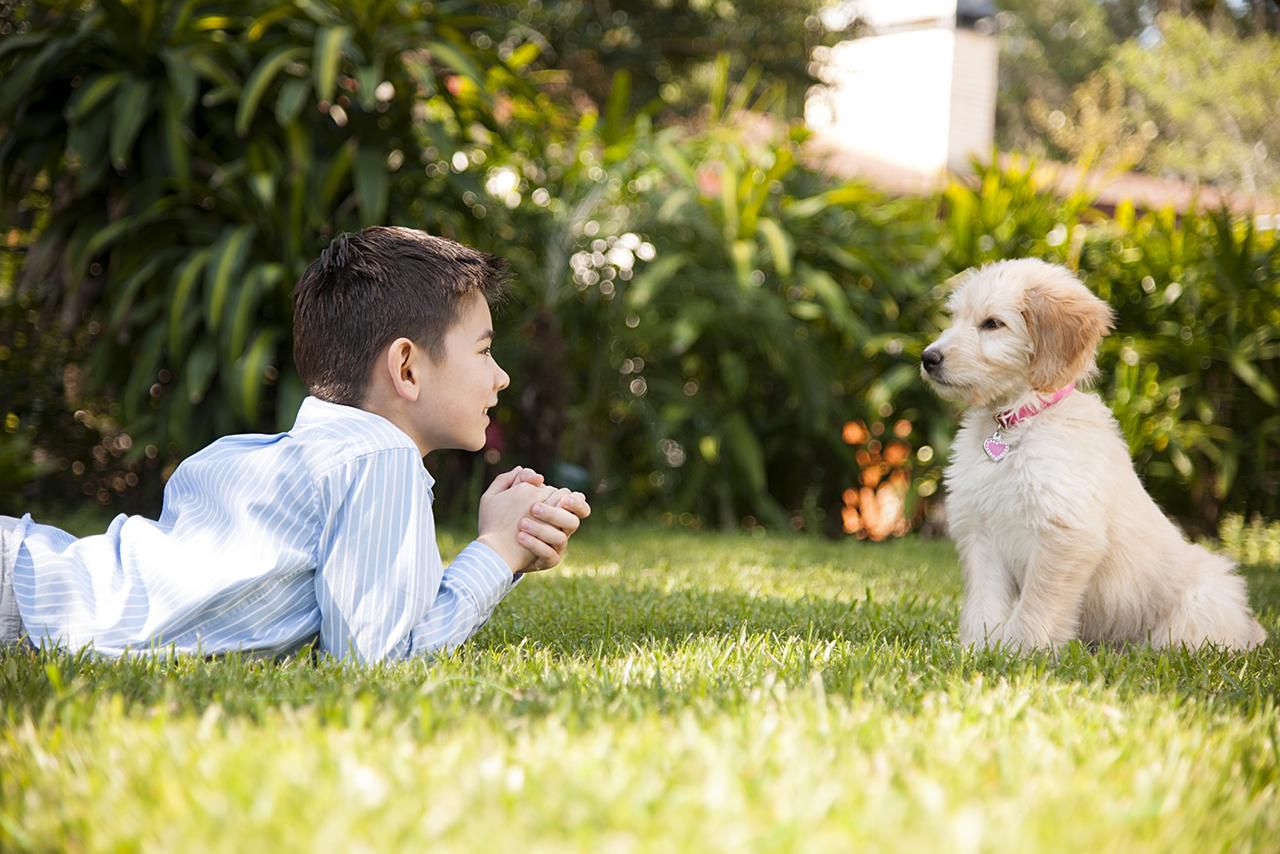
Life with dogs becomes far richer once I begin to truly read what they are saying without words. Every tail wag, sideways glance, stiff posture, or exaggerated yawn carries intention. Dogs are never silent communicators; they are speaking constantly through their bodies, their energy, and the sounds they make. The more time I spend observing carefully, the more I realize that most behavioral issues stem from missed signals rather than stubbornness or defiance.
Living alongside dogs has taught me that communication is not just about commands like sit or stay. It is a continuous exchange that flows both ways, shaped by trust, consistency, and attention to subtle shifts. My dogs are always telling me how they feel about a situation, a stranger, another animal, or even about me. Once I began paying attention to those cues, misunderstandings decreased and our bond deepened in ways I never expected.
The Language Of Body Posture
A dog’s posture often speaks louder than any bark. I watch the way my dog carries his weight, whether his body looks loose and wiggly or stiff and upright. A relaxed body with soft curves usually signals comfort and confidence, while a rigid stance with muscles visibly tightened can indicate tension or uncertainty.
The height of the head and tail also reveals emotional state. A tail held high and stiff is different from a tail raised loosely with a playful bounce. One suggests alertness or even challenge, while the other suggests excitement and ease. I have learned not to interpret posture in isolation, because a raised tail paired with soft eyes communicates something entirely different from a raised tail paired with a hard stare.
Even subtle shifts in balance matter. A dog leaning slightly forward might be curious or cautious, assessing what comes next. A dog shifting weight backward or lowering his body could be unsure, signaling that he needs space. Observing these nuances has made me far more patient in new environments, especially when introductions are happening.
Facial Expressions And Eye Contact
Dogs have incredibly expressive faces, though many people overlook the small details. I pay attention to the eyes first. Soft, blinking eyes with relaxed eyelids usually indicate calmness, while wide, fixed eyes with visible whites can signal fear or heightened arousal.
Eye contact itself carries layered meaning. A relaxed gaze between me and my dog strengthens connection and trust, but prolonged, hard staring between unfamiliar dogs may escalate tension. I avoid forcing eye contact in stressful situations because it can feel confrontational to them.
The mouth tells its own story. A slightly open mouth with relaxed lips often signals comfort, especially during play. Tight lips, pulled-back corners, or excessive lip licking may reveal stress. I have seen my dog lick his lips quickly during vet visits, a subtle sign that he feels uneasy even if he is standing still and quiet.
Tail Movements Beyond The Wag
Many people assume that a wagging tail automatically means happiness. My experience has shown me that tail movement is more complex than that. The speed, height, and stiffness of the wag change its meaning dramatically.
A loose, sweeping wag that involves the whole back end often reflects genuine joy. In contrast, a small, stiff wag held high can signal alertness or tension. Sometimes my dog wags his tail when he is unsure, especially during new encounters, and the rest of his body helps clarify whether that wag is friendly or cautious.
The direction of movement can also matter. While subtle, I have noticed that relaxed social interactions produce fluid, balanced wagging. Tight, fast flicks paired with a rigid body often prompt me to intervene before things escalate. Observing the full picture prevents misreading enthusiasm as aggression or vice versa.
Vocalizations And What They Reveal
Barking is only one part of canine vocal expression. Dogs also whine, growl, howl, sigh, and even produce soft grumbles during contentment. I listen closely to tone, duration, and context rather than reacting to sound alone.
A sharp, repetitive bark directed at the door carries a different message than a high-pitched bark during play. Whining can express excitement, anxiety, or a request for attention depending on body language and surroundings. I have noticed that my dog’s growl during tug games sounds deeper and rhythmic, paired with loose movements, while a warning growl in a tense moment feels lower and more sustained.
Growling in particular deserves respect rather than punishment. It is a clear communication tool that says a boundary is being approached. If I silence that warning without addressing the discomfort behind it, I risk removing an important signal that helps prevent escalation.
Play Signals And Social Invitations
Healthy play between dogs includes exaggerated gestures that reduce misunderstanding. Play bows, where the front legs stretch forward and the rear stays up, clearly announce friendly intent. I love watching this signal because it often resets the tone if things begin to feel too intense.
During rough play, dogs take turns chasing and being chased. Balanced exchanges show that both participants are engaged willingly. If one dog consistently attempts to escape or displays stress signals, that imbalance tells me intervention may be needed.
Play growls, bouncy movements, and relaxed mouths differentiate joyful interaction from aggression. I pay attention to pauses, as well. Dogs often stop briefly during play to check in with each other, ensuring that the interaction remains mutual. Those pauses demonstrate social intelligence that many people underestimate.
Stress Signals And Calming Gestures
Dogs communicate discomfort long before snapping or biting. I have learned to watch for yawning outside of sleepy contexts, sudden sniffing of the ground, turning the head away, or scratching when no itch is present. These behaviors often function as calming signals meant to diffuse tension.
Turning away can indicate a desire to avoid conflict. Slow blinking or softening the gaze may serve the same purpose. If my dog repeatedly looks away during petting, that cue reminds me to pause and assess whether he truly enjoys the interaction.
Recognizing stress signals has changed how I handle social gatherings. Instead of assuming my dog enjoys every interaction, I monitor subtle shifts. By respecting those early communications, I prevent escalation and reinforce trust.
The Role Of Scent And Silent Messages
While humans rely heavily on sight and sound, dogs depend profoundly on scent. They gather vast amounts of information through sniffing that I cannot perceive. A prolonged sniff during a walk might be equivalent to reading an entire social update.
Scent marking also functions as communication. Urine marking, scratching the ground, and even rolling in specific spots convey presence and identity. I have come to appreciate that these behaviors are less about disobedience and more about participation in a larger social network invisible to me.
Allowing controlled sniffing time during walks has improved my dog’s overall behavior. Mental stimulation through scent exploration reduces frustration and builds satisfaction. Ignoring this aspect of communication would mean missing a fundamental part of canine experience.
Breed Tendencies And Communication Styles
Different breeds often emphasize certain communication patterns. A herding breed like the Border Collie may use intense eye contact and stalking movements during play. A scent hound such as the Beagle may be more focused on the ground than on visual signals.
Understanding breed tendencies helps me interpret behavior accurately. Guarding breeds might display alert posture more readily, while companion breeds may seek frequent eye contact. These tendencies do not define individual dogs completely, but they offer helpful context.
Recognizing breed-driven instincts allows me to respond with empathy instead of frustration. If a dog bred for guarding reacts quickly to unfamiliar sounds, that response reflects generations of selection rather than willful misbehavior. Context reshapes my expectations and responses.
Human Signals Dogs Read From Us
Communication flows in both directions. Dogs constantly read our posture, tone, and facial expressions. I have noticed that my dog responds more to the energy behind my words than to the words themselves.
If I give a command while tense or impatient, my dog often hesitates. When I breathe steadily and speak clearly, compliance improves dramatically. Consistency in tone and body language prevents confusion.
Unintentional signals can also shape behavior. Leaning forward abruptly may intimidate a shy dog, while kneeling sideways might feel more inviting. Becoming aware of my own physical cues has made me a better communicator and leader.
Building Stronger Bonds Through Observation
Patience has become my greatest tool. Rather than labeling behavior as good or bad immediately, I pause and ask what my dog might be expressing. This shift in perspective transforms challenges into conversations.
Spending quiet time simply observing without demanding anything has revealed patterns I would otherwise miss. I see how my dog’s ears twitch at distant sounds or how his posture changes when a particular neighbor walks by. Those small details accumulate into deeper awareness.
Trust grows when communication is respected. If my dog signals discomfort and I respond by adjusting the situation, he learns that I listen. That mutual respect strengthens our relationship far more than strict control ever could.
Navigating Miscommunication
Misinterpretation happens easily when signals are subtle or when multiple stimuli compete for attention. I have occasionally mistaken excitement for defiance or nervousness for stubbornness. Reflecting on those moments helps me refine my responses.
Crowded environments amplify confusion. A dog overwhelmed by noise and movement may display behaviors that seem reactive but are rooted in stress. Removing pressure and creating space often resolves what initially appeared to be a training failure.
Accepting that miscommunication is part of the process keeps me humble. Instead of seeking perfection, I focus on progress and clarity. Each mistake becomes an opportunity to tune in more carefully next time.
The Lifelong Dialogue
Communication with dogs evolves over time. As routines shift and environments change, new signals emerge. Puppies communicate differently than senior dogs, and aging can alter posture, energy, and tolerance levels.
I continue refining my awareness as my dog grows older. Subtle stiffness in movement or changes in vocal tone may indicate discomfort that requires attention. Staying attentive ensures that I respond appropriately to changing needs.
This dialogue never truly ends. Every day presents new nuances, and every interaction adds depth to our shared language. By staying observant and open, I participate in a partnership built not on dominance, but on mutual clarity and respect.
Living with dogs has reshaped how I perceive communication entirely. Words are only one layer of connection, and often not the most important one. Through posture, scent, sound, and energy, dogs speak continuously, inviting me to listen more closely and respond with intention.
