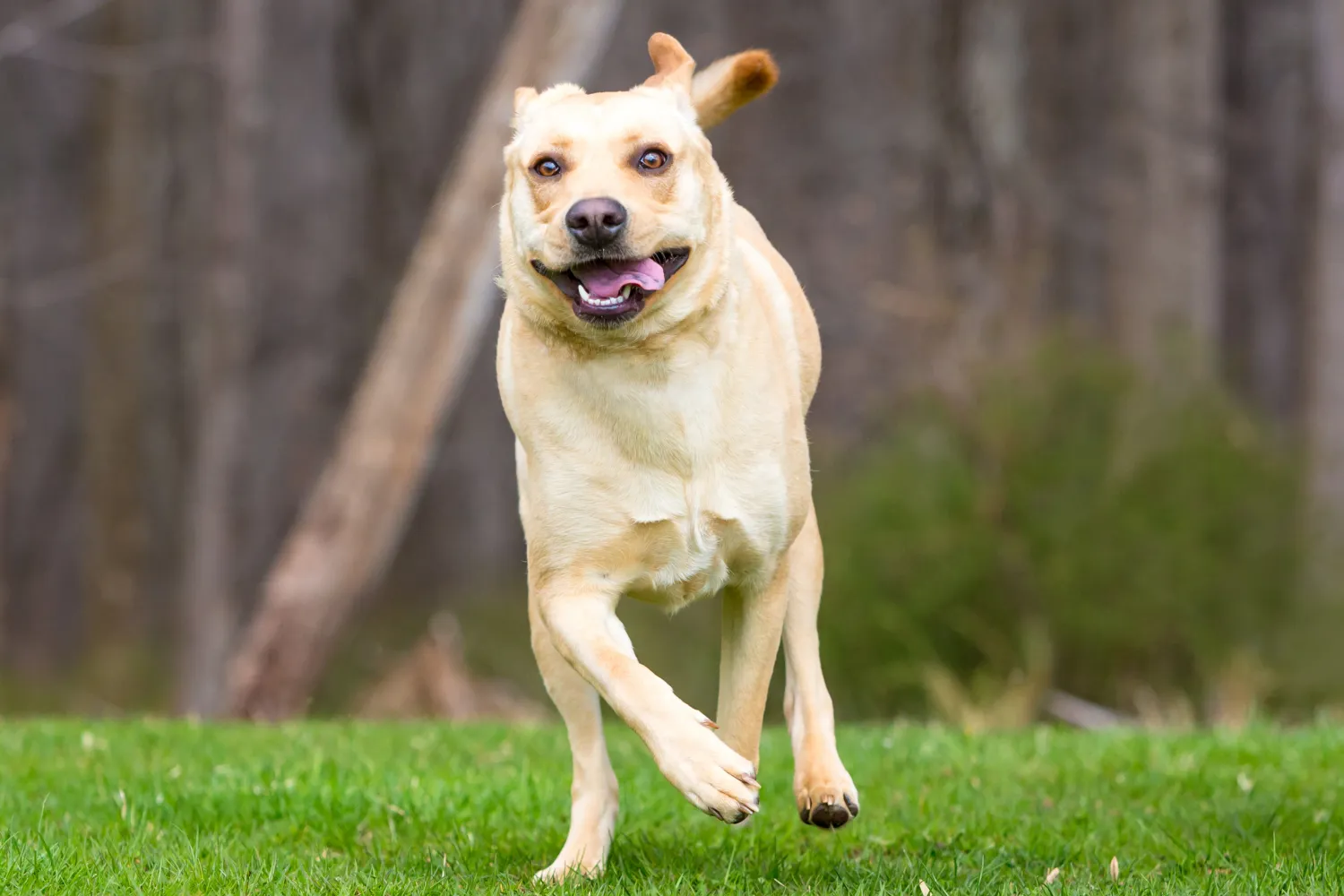
Few things in life are as unexpectedly hilarious as a dog suddenly launching into a wild sprint around the house, skidding across the floor, eyes wide, tail high, moving as if powered by pure electricity. One moment everything is calm, and the next moment my dog is racing in tight circles, bouncing off furniture, and looking as though gravity has briefly stopped applying. These bursts of frantic energy, affectionately called zoomies, feel chaotic, but they are rooted in very real biology and behavior.
Zoomies are not random acts of madness. They are predictable, measurable expressions of canine physiology and emotional regulation. The scientific term for zoomies is Frenetic Random Activity Periods, or FRAPs. That clinical label might sound serious, but it describes something joyful and deeply natural.
Watching my dog take off in a blur taught me that zoomies are not misbehavior. They are communication. They are release. They are biology in motion.
What Zoomies Actually Are
Zoomies, or FRAPs, are short bursts of high-intensity activity where a dog runs rapidly, often in circles or figure-eight patterns, sometimes with playful growls or exaggerated movements. These episodes usually last from a few seconds to a few minutes. Afterward, the dog often settles down as if nothing happened.
From a neurological standpoint, zoomies are an expression of pent-up energy being discharged. Dogs accumulate physical and mental stimulation throughout the day. When that stimulation reaches a threshold, the body responds with explosive movement that acts like a reset button.
I notice that my dog often gets zoomies after a bath, after being confined for a while, or in the evening when the household energy shifts. Those patterns are not coincidence. They reflect predictable triggers linked to stress hormones, arousal cycles, and energy balance.
The Role Of Adrenaline And Cortisol
The canine body runs on chemical signals. Hormones like adrenaline and cortisol regulate alertness, stress, and excitement. When a dog experiences heightened stimulation, whether positive or slightly stressful, these hormones rise.
After a bath, for example, many dogs display zoomies. Bath time can be mildly stressful even for dogs that tolerate it well. During the bath, cortisol levels may increase. Once the bath ends and the perceived stressor is gone, the body needs to regulate. The zoomies serve as a release valve, burning off that excess hormone activity through rapid movement.
Adrenaline also plays a major role. It prepares the body for action by increasing heart rate and blood flow to muscles. When adrenaline spikes from excitement, such as seeing a favorite person arrive home, the dog may explode into zoomies because the body is primed for movement.
In my own experience, those post-bath sprints are not rebellion. They are physiology balancing itself out.
Dopamine And The Reward System
Zoomies are not only about stress release. They are also about pleasure. Dopamine, often called the feel-good neurotransmitter, is heavily involved in play and reward behavior.
When dogs run freely, chase, or engage in high-speed play, dopamine pathways activate. This creates a reinforcing loop where movement feels good, and feeling good encourages more movement. Zoomies can be a self-rewarding behavior that enhances emotional well-being.
I see this clearly when my dog initiates zoomies during outdoor play. The movement itself seems to spark joy. The body accelerates, the tail lifts higher, and the face shifts into that unmistakable playful expression that signals pure excitement.
This neurological reward cycle explains why zoomies are especially common in young dogs and puppies. Their brains are highly responsive to novelty and reward, making explosive play a frequent outlet.
The Energy Storage Mechanism
Dogs are built for movement. Even companion breeds retain ancestral traits from working and hunting lineages. Energy accumulates when it is not used, and the body seeks equilibrium.
If a dog spends several hours resting, especially after eating, the energy intake may exceed immediate expenditure. Eventually, the body demands activity. Zoomies become a rapid way to burn calories and stimulate muscles in a short timeframe.
I notice evening zoomies are particularly common. After a day of naps, brief walks, and indoor time, the stored energy needs release. Rather than a slow build, it often erupts all at once.
From a biological standpoint, this makes sense. Short, intense bursts mimic the natural sprint patterns of wild canines chasing prey or engaging in social play. The body is designed for both endurance and explosive movement.
Social Signals And Play Communication
Zoomies are not purely internal. They also function as communication. Dogs use body language to signal playfulness and non-aggression.
During zoomies, movements are exaggerated. The dog may lower the front half of the body in a play bow before sprinting away. The eyes appear bright, the mouth relaxed. These signals communicate that the behavior is playful, not threatening.
In multi-dog households or at dog parks, zoomies often trigger group play. One dog starts sprinting, and others join in. This collective frenzy strengthens social bonds and establishes trust within the group.
I have watched my dog initiate zoomies with a quick bow and sideways hop toward another dog. That invitation is clear. It says this is fun, not conflict.
Age And Developmental Factors
Puppies experience zoomies more frequently than senior dogs. This pattern reflects neurological development and muscle growth.
Young dogs have developing nervous systems that are still calibrating impulse control. Their threshold for stimulation is lower, and their energy reserves replenish quickly. Zoomies help them refine coordination, build muscle, and practice social play behaviors.
Adolescent dogs often display peak zoomie intensity. Hormonal shifts during puberty increase arousal and responsiveness. This stage can look chaotic, but it serves a developmental purpose.
As dogs age, zoomies may decrease in frequency but rarely disappear entirely. Even older dogs sometimes experience short bursts of playful sprinting, reminding me that the instinct never fully fades.
Environmental Triggers
Certain environments make zoomies more likely. Open spaces, safe enclosed yards, and large living rooms encourage sprinting behavior.
Surface texture also matters. Smooth floors may amplify sliding and spinning, which adds sensory excitement. Outdoor grass provides traction that supports full-speed runs.
Weather can be a factor as well. Cooler temperatures often increase activity levels. Many dogs show heightened zoomies in crisp evening air because their bodies can exert more energy without overheating.
I have seen the shift happen instantly when we step outside into a breezy evening. The muscles tense, the stance changes, and within seconds, the sprint begins.
Emotional Regulation And Release
Zoomies often follow emotionally charged events. Grooming sessions, vet visits, exciting guests, or even intense training sessions can all trigger them.
The body processes emotional highs through movement. Humans sometimes pace or fidget after stressful moments. Dogs sprint.
This pattern suggests that zoomies are part of emotional regulation. The physical exertion helps metabolize stress hormones and restore baseline calm. After the episode, many dogs appear relaxed and satisfied.
When my dog zooms after a mildly stressful experience, I no longer see chaos. I see a nervous system recalibrating itself.
The Evolutionary Perspective
From an evolutionary standpoint, short bursts of explosive speed had survival value. Wild canines needed the ability to sprint quickly for hunting or escaping danger.
Zoomies may represent a leftover expression of that capacity. Even though domestic dogs no longer need to chase prey daily, their bodies retain the blueprint for rapid acceleration.
Play behavior in animals often mirrors survival behaviors in low-risk contexts. Chasing, spinning, and darting mimic hunting and evasion patterns. Zoomies can be viewed as practice sessions embedded in joy.
Observing my dog sprint across the yard, I sometimes imagine distant ancestors doing the same across open plains. The instinct is ancient, even if the backyard is modern.
Breed Differences In Zoomie Patterns
Some breeds are more prone to frequent or intense zoomies. Herding breeds, terriers, and sporting dogs often display higher energy bursts due to their genetic backgrounds.
A Border Collie bred for herding livestock carries a natural drive for movement. A Jack Russell Terrier bred for hunting small game has explosive speed encoded in its muscles.
Lower-energy breeds may still have zoomies, but the duration and intensity can differ. Individual personality also plays a significant role. Two dogs of the same breed may express zoomies differently based on temperament and daily routine.
Recognizing breed tendencies helps me respond appropriately. A high-drive dog may need structured outlets beyond spontaneous zoomies to maintain balance.
Safety Considerations During Zoomies
While zoomies are normal, safety matters. Slippery floors can lead to joint strain. Cluttered spaces increase the risk of collisions.
I try to create safe environments where my dog can sprint without sharp edges or obstacles. Outdoor fenced areas are ideal. Indoor spaces should be cleared if zoomies frequently occur.
It is also important to distinguish zoomies from signs of distress. Playful zoomies include relaxed facial expressions and bouncy movements. Panic-driven running looks different, with tense posture and flattened ears.
Observing body language carefully ensures that what I am seeing is joy, not anxiety.
Zoomies Versus Behavioral Problems
Some people mistake zoomies for hyperactivity or disobedience. In most cases, zoomies are neither.
They are short-lived and self-limiting. After expending energy, the dog naturally settles. Chronic hyperactivity, on the other hand, persists and may indicate unmet exercise needs or behavioral concerns.
I have learned not to scold zoomies unless they become unsafe. Interrupting natural release without providing alternative outlets can create frustration.
Instead, I focus on structured exercise, mental stimulation, and predictable routines. When those needs are met, zoomies become joyful punctuation marks rather than disruptive explosions.
The Science Of Muscle And Coordination
Zoomies also serve a physical training function. Rapid acceleration engages fast-twitch muscle fibers, which are responsible for explosive strength.
These fibers require periodic activation to remain healthy. Short sprints help maintain muscle tone and coordination. Puppies, in particular, refine balance and spatial awareness during zoomies.
Watching my dog pivot sharply during a sprint reveals incredible biomechanical precision. The spine flexes, the legs extend powerfully, and the body adjusts in milliseconds.
This physical rehearsal strengthens joints, tendons, and neuromuscular pathways. Even though it looks like chaos, it is highly coordinated movement.
Why Zoomies Often Happen At Night
Many dogs display zoomies in the evening, often called the witching hour by amused owners. This timing aligns with circadian rhythms.
Dogs are crepuscular by nature, meaning they are most active during dawn and dusk. Evening zoomies may reflect this ancestral activity pattern.
After a day of moderate activity, the body hits a natural alert window. Energy rises before settling into nighttime rest. The zoomies may be the final energetic flare before sleep.
I often notice that after an intense evening sprint, my dog curls up peacefully, as though the day has been properly concluded.
What Zoomies Teach Me About Dogs
Zoomies remind me that dogs live in their bodies in a way humans often forget. They do not suppress joy or hold back energy out of social expectation. They move because movement feels necessary.
The science behind zoomies highlights balance. Hormones rise and fall. Energy accumulates and releases. Emotions spike and regulate. The body seeks equilibrium, and sprinting becomes the pathway.
Each episode feels spontaneous, yet it is grounded in biology. That realization deepens my appreciation for what appears to be simple silliness.
Zoomies are chemistry, evolution, muscle mechanics, emotional regulation, and pure delight all happening at once. They are not random chaos. They are the body doing exactly what it was designed to do.
Whenever my dog takes off in a blur of motion, I no longer see unpredictability. I see a perfectly tuned system expressing itself in the most exuberant way possible.
