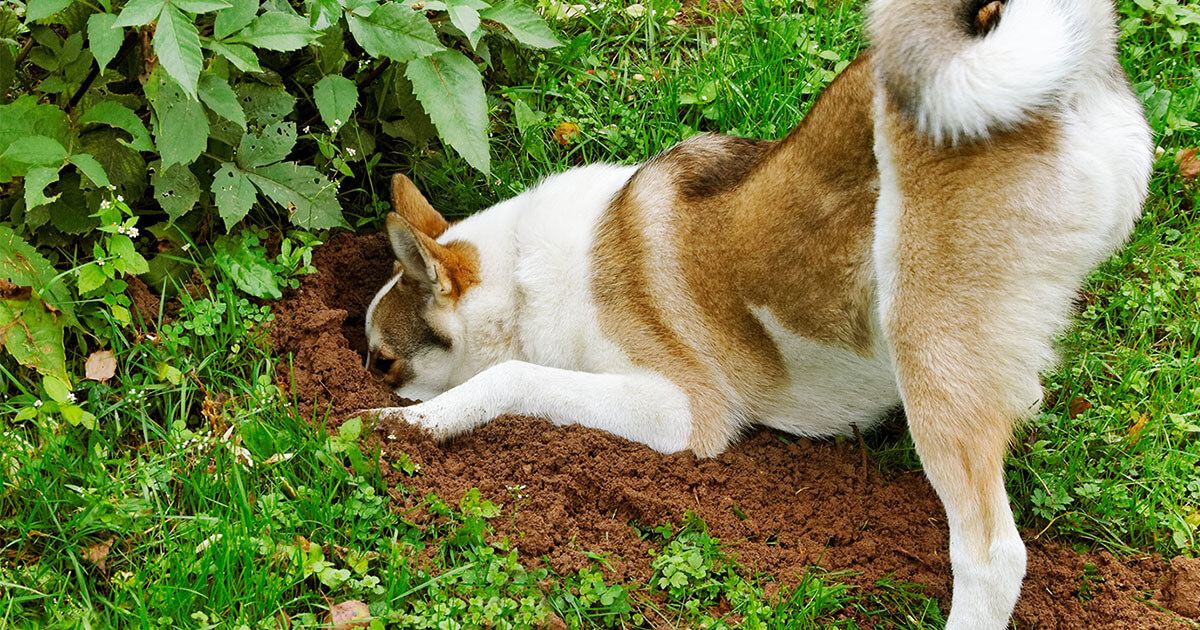
My backyard once looked like a patchwork quilt of dirt piles and shallow craters. Each morning I stepped outside with coffee in hand, only to discover fresh excavation work completed overnight by my dog. At first, I felt frustrated and confused. Why would a perfectly well-fed, loved dog insist on tearing up the yard I worked so hard to maintain?
Over time, I realized digging is not random misbehavior. It is deeply rooted in instinct, emotion, and environment. Dogs dig for reasons that make perfect sense to them, even if those reasons feel inconvenient to us. Figuring out the motivation behind the digging changed everything in how I responded.
Digging is natural. The real question is not why dogs dig at all, but when digging crosses the line from normal behavior into a genuine problem.
Digging Is Written Into Their DNA
Dogs descend from wild ancestors who relied on digging for survival. Wolves and other wild canines dig dens to protect their young and create safe resting spaces. They also dig to cache food, hiding extra resources for later when meals are scarce.
Even though my dog sleeps on a plush bed indoors, those instincts have not vanished. I have watched him circle a spot in the yard and paw at it with clear purpose, as if preparing a den. In his mind, he is not ruining landscaping. He is engaging in ancient, hardwired behavior.
Terrier breeds make this especially obvious. They were developed specifically to hunt vermin underground, which required intense digging skills. A terrier left alone in a backyard may treat it like a full-time excavation site. For these dogs, digging is not an occasional hobby. It is a deeply satisfying outlet for genetic programming.
Escaping the Heat or Cold
Temperature plays a bigger role than many people realize. On hot days, dogs dig to reach cooler soil beneath the surface. That freshly exposed dirt can be several degrees cooler than the ground above it, creating a natural air-conditioning system.
I noticed my dog tended to dig shallow, bowl-shaped holes during peak summer heat. He would then lie directly inside them, chest pressed to the cool earth. The behavior looked destructive at first, but it was actually a self-soothing response to discomfort.
Cold weather can trigger digging as well. Some dogs create sheltered depressions in snow or dirt to block wind and conserve body heat. When I started paying attention to the weather patterns connected to his digging, the behavior made far more sense.
Boredom and Pent-Up Energy
Energy without an outlet often turns into digging. Dogs are active, intelligent animals, and many spend long stretches of time alone in backyards. Without mental stimulation or physical exercise, they invent their own projects.
I learned this the hard way during a particularly busy month at work. Walks became shorter and play sessions less frequent. Almost immediately, the number of holes in my yard multiplied. The digging was not spiteful. It was the canine equivalent of pacing the house looking for something to do.
Certain breeds are especially prone to boredom-related digging. High-energy dogs like the Siberian Husky and the Border Collie thrive on activity and mental challenges. Without structured outlets, they channel that drive into whatever is available, including landscaping.
Hunting Small Critters
Sometimes digging is fueled by prey drive. Dogs can hear and smell rodents, insects, and even moles moving underground. What looks like random destruction may actually be a focused hunting effort.
One afternoon, I watched my dog freeze mid-step, ears pricked and body tense. He lunged forward and began digging furiously in a single spot. Moments later, a very startled mole surfaced and darted away. That hole was not boredom. It was instinct.
Terriers are especially famous for this behavior. The Jack Russell Terrier, for example, was bred to pursue prey into burrows. Expecting such a dog to ignore underground movement requires an unrealistic level of restraint.
Anxiety and Emotional Stress
Digging can also signal emotional distress. Separation anxiety, changes in routine, or unfamiliar environments may trigger repetitive digging as a coping mechanism. The act itself can be calming, much like pacing or chewing.
I once rearranged my work schedule and began leaving the house earlier than usual. Within days, I found fresh holes along the fence line. The timing was not coincidence. My dog’s digging aligned perfectly with increased time alone.
Dogs experiencing anxiety often dig near exit points such as fences and gates. They may be attempting to escape or simply expressing frustration. In these cases, the digging is not about the dirt at all. It is about managing stress.
Attention-Seeking Behavior
Dogs are masters at observing what gets a reaction. If digging results in yelling, chasing, or dramatic attention, it can accidentally reinforce the behavior. Even negative attention may feel better than being ignored.
I once rushed outside mid-dig, waving my arms and raising my voice. My dog froze, then wagged his tail enthusiastically. From his perspective, he had just initiated an exciting interaction. The next day, he repeated the performance.
Consistency in response matters. Overreacting can turn digging into a reliable strategy for engagement. Ignoring the act while rewarding alternative behaviors gradually shifts the pattern.
When Digging Becomes a Real Problem
Not all digging needs to be stopped. Some digging is harmless and even healthy. The line is crossed when the behavior becomes destructive, dangerous, or obsessive.
Damage to foundations, irrigation systems, or plant roots creates expensive repairs. Digging under fences can lead to escapes and potential injury. Holes scattered across a yard also pose tripping hazards for people and pets.
Obsessive digging is another red flag. If a dog fixates on digging to the exclusion of play, rest, or interaction, it may indicate deeper anxiety or unmet needs. In these cases, addressing the root cause is far more effective than punishing the symptom.
Redirecting Instead of Punishing
Punishment rarely solves digging long term. Yelling or physical correction may stop the behavior in the moment, but it does not eliminate the underlying drive. Often, it adds stress and confusion.
I found far more success in redirection. Increasing daily exercise made a noticeable difference. Longer walks, structured games of fetch, and mental enrichment reduced idle time dramatically.
Food puzzles, scent games, and training sessions engage a dog’s brain in productive ways. Mental fatigue can be just as effective as physical exercise in curbing destructive habits. Once my dog felt satisfied and stimulated, the yard suffered far less collateral damage.
Creating a Designated Digging Zone
Rather than fighting instinct entirely, I created a controlled outlet. A small corner of the yard became an official digging zone. I loosened the soil and occasionally buried toys or treats to encourage use of that specific area.
At first, I guided my dog to the spot whenever he began digging elsewhere. With repetition and positive reinforcement, he started heading there on his own. The rest of the yard gradually recovered.
Providing an appropriate outlet acknowledges that digging is natural. It shifts the focus from suppression to management. This approach respects the dog’s instincts while protecting the landscape.
Addressing Environmental Triggers
Environmental changes can dramatically reduce unwanted digging. Installing shade structures or providing cooling mats minimizes heat-driven excavation. Ensuring secure fencing removes the temptation to tunnel out.
If wildlife is the trigger, humane pest control can limit underground activity that sparks hunting behavior. Removing attractants such as accessible trash or food scraps also helps.
Routine matters as well. Dogs thrive on predictability. Feeding, walking, and playtime at consistent times create a sense of stability that reduces anxiety-driven behaviors.
The Role of Breed and Personality
Not all dogs dig with equal intensity. Breed tendencies shape how strong the drive may be. The Dachshund, originally bred to hunt burrowing animals, often displays impressive excavation skills despite its small size.
Individual personality plays a role too. Some dogs simply enjoy the sensation of dirt flying beneath their paws. Others rarely show interest in digging at all.
Recognizing these differences prevents unfair expectations. Comparing a terrier’s digging habits to those of a low-energy companion breed is unrealistic. Tailoring solutions to the individual dog yields better results than applying blanket rules.
Reading the Context
Context reveals motive. A shallow hole on a hot afternoon points to temperature regulation. A tunnel under the fence suggests escape behavior. Multiple scattered holes after a quiet week at home often signal boredom.
Observing patterns changed my perspective completely. Instead of reacting emotionally to each new crater, I started asking questions. What was different today? Had exercise been reduced? Was the weather extreme?
That curiosity transformed frustration into problem-solving. Digging stopped feeling like defiance and started looking like communication.
Patience and Perspective
Perfect lawns and perfectly behaved dogs rarely coexist. Accepting that some level of digging may happen reduced my stress significantly. The goal became balance rather than total elimination.
Dogs do not dig to upset us. They dig because instinct, emotion, and environment align in ways that make digging feel necessary or rewarding. Meeting those needs in healthier ways builds trust rather than conflict.
My yard still sees occasional excavation, but it is no longer a battleground. With exercise, enrichment, structure, and a designated outlet, the behavior is manageable. Most importantly, I now see digging as information instead of rebellion.
Dogs communicate through action. When we pay attention to the why behind those actions, solutions become clearer. Digging is not automatically a problem. It becomes one only when we ignore what it is trying to tell us.
