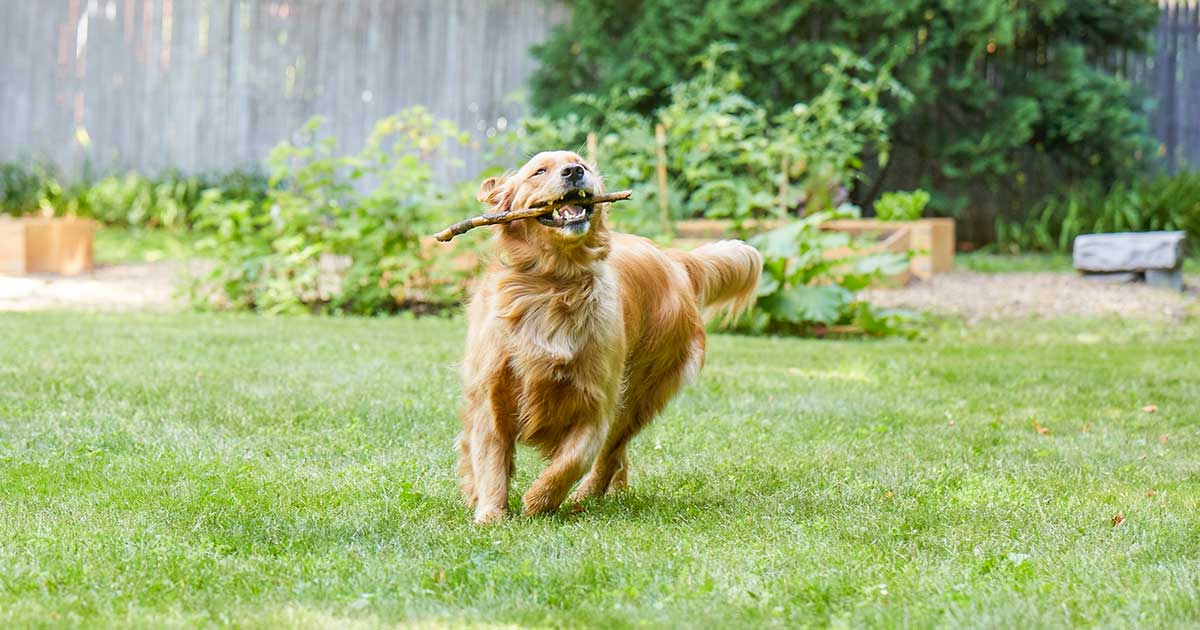
Bringing structure into my dog’s life completely changed the way we move through our days together. A solid wellness routine is not about strict rules or complicated schedules. It is about building steady habits that support physical health, emotional balance, and a deep sense of trust between us. Over time, I realized that small, consistent actions matter far more than grand gestures.
Dogs thrive on rhythm. They feel safer and more relaxed when they know what to expect. By shaping a thoughtful daily routine, I have seen my pup become calmer, more confident, and noticeably healthier. The transformation did not happen overnight, but steady commitment made a lasting difference.
Building A Consistent Daily Schedule
Predictability is powerful for dogs. My pup feels most at ease when meals, walks, playtime, and rest happen around the same time each day. A consistent schedule reduces anxiety because it removes the guesswork from their world.
I start each morning with a bathroom break followed by a calm walk. That short walk sets the tone for the day and helps release early energy. After that, breakfast is served at roughly the same hour, which prevents digestive issues and discourages begging later in the day.
Evenings follow a similar pattern. A second walk, dinner, and quiet time help signal that the day is winding down. This rhythm creates a sense of stability that supports both physical health and emotional security.
Prioritizing Balanced Nutrition
Food plays a major role in my dog’s overall wellness. I pay close attention to ingredient quality, portion sizes, and how my pup responds to certain proteins or grains. Energy levels, coat shine, and stool consistency tell me a lot about whether the current diet is working.
Feeding at scheduled times instead of free feeding has improved digestion and helped maintain a healthy weight. Treats are given in moderation and often used as training rewards. I avoid overloading on high-calorie snacks, even when those pleading eyes make it difficult.
Hydration is equally important. Fresh water is always available, and I clean the bowl daily to prevent bacteria buildup. These small habits contribute significantly to long-term health.
Creating An Exercise Plan That Fits Your Dog
Exercise needs vary depending on breed, age, and personality. My pup has moderate energy, so two structured walks plus play sessions keep things balanced. I pay attention to body language to know when my dog needs more stimulation or a lighter day.
Interactive games like fetch or tug add variety to our routine. Mental stimulation during play is just as important as physical movement. On busy days, short bursts of activity still help prevent restlessness and destructive behavior.
Rest days are also part of the plan. Overexertion can lead to joint strain or fatigue. A healthy routine includes both movement and recovery time.
Supporting Mental Stimulation
Physical activity alone does not create a well-rounded wellness routine. Dogs need mental challenges to stay sharp and satisfied. Puzzle toys, scent games, and short training sessions keep my pup engaged and curious.
I rotate toys to prevent boredom. Bringing out a toy that has been hidden for a week feels new and exciting again. This simple trick keeps enrichment fresh without constantly buying new items.
Training sessions are brief but consistent. Five to ten minutes of focused work strengthens communication and reinforces positive behaviors. Mental exercise often tires my dog more effectively than a long walk.
Maintaining Grooming And Hygiene
Regular grooming does more than keep my pup looking neat. Brushing helps distribute natural oils through the coat and allows me to check for skin issues or parasites. I treat grooming time as a bonding moment rather than a chore.
Bathing happens based on activity level and coat type. Overbathing can strip essential oils, so I aim for balance. Nail trims are scheduled before they become too long, since overgrown nails can affect posture and comfort.
Dental care is another key component. Brushing teeth several times a week and offering dental chews reduces plaque buildup. Healthy gums contribute to overall wellness and prevent costly problems later.
Scheduling Preventive Veterinary Care
Routine vet visits provide peace of mind. Annual exams, vaccinations, and parasite prevention protect my dog from preventable illnesses. I keep a simple health log to track appointments and any changes in behavior.
Early detection makes a significant difference in treatment outcomes. Subtle signs like decreased appetite or unusual lethargy prompt me to consult a professional rather than wait. Staying proactive has saved both stress and money in the long run.
Flea, tick, and heartworm prevention are non-negotiable parts of our routine. Consistency here prevents far more serious complications down the road.
Encouraging Healthy Socialization
Social experiences shape a dog’s confidence. I expose my pup to different environments, sounds, and friendly dogs at a comfortable pace. Positive encounters build resilience and reduce fear-based reactions.
Short visits to parks or pet-friendly spaces provide controlled exposure. I monitor body language carefully and remove my dog from situations that feel overwhelming. Safe socialization strengthens emotional stability.
Inviting trusted friends over also helps maintain social comfort. Familiar faces reinforce the idea that guests are welcome rather than threatening.
Creating A Restful Sleep Environment
Quality sleep is often overlooked in wellness routines. My dog has a designated sleeping area that feels secure and quiet. A comfortable bed placed away from heavy foot traffic encourages uninterrupted rest.
I dim lights and reduce noise in the evening to signal bedtime. Avoiding late-night excitement helps maintain a stable sleep pattern. Consistent rest supports immune health and mood regulation.
Observing sleep habits also alerts me to potential issues. Restlessness or frequent waking can signal discomfort that needs attention.
Monitoring Weight And Body Condition
Weight management is a constant balancing act. I regularly check my pup’s body condition by feeling for ribs and observing waist definition. Small weight gains can sneak up quickly, especially with extra treats.
Portion adjustments are made based on activity level. During more sedentary weeks, I slightly reduce meal size to compensate. This approach prevents long-term weight problems.
Maintaining a healthy weight reduces strain on joints and lowers the risk of chronic conditions. Consistent monitoring keeps everything on track.
Strengthening The Human-Dog Bond
A wellness routine is not only about physical health. Emotional connection forms the foundation of everything else. I carve out time each day for simple affection, whether that is quiet petting or sitting together on the floor.
Positive reinforcement strengthens trust. Harsh corrections damage confidence and create stress, which undermines wellness efforts. Clear communication and patience foster a cooperative relationship.
Shared experiences deepen our connection. Exploring new walking routes or practicing new tricks keeps our partnership dynamic and engaging.
Adjusting The Routine As Your Dog Ages
Puppies, adults, and senior dogs have different needs. I adapt the routine as my dog grows and changes. Energy levels shift, joints may become stiffer, and dietary needs evolve over time.
Senior dogs often benefit from shorter but more frequent walks. Softer bedding and joint supplements can also support comfort. Flexibility ensures that the wellness routine remains effective at every life stage.
Paying attention to subtle changes helps guide these adjustments. A routine should evolve rather than remain rigid.
Staying Consistent Without Perfection
Perfection is unrealistic, and occasional disruptions are normal. Travel, busy workdays, or unexpected events sometimes throw off the schedule. Instead of feeling guilty, I focus on returning to our routine as soon as possible.
Dogs are adaptable when they feel secure. As long as the foundation remains steady, small variations do not cause lasting harm. Consistency over time matters far more than flawless execution.
Progress builds gradually. The benefits of a wellness routine reveal themselves in steady energy, balanced behavior, and a bright, alert expression.
A thoughtful wellness routine is an ongoing commitment rather than a temporary project. By nurturing physical health, mental stimulation, emotional connection, and preventive care, I create an environment where my pup can truly thrive. The effort invested each day pays off in companionship, vitality, and the quiet satisfaction of knowing I am giving my dog the best life possible.
