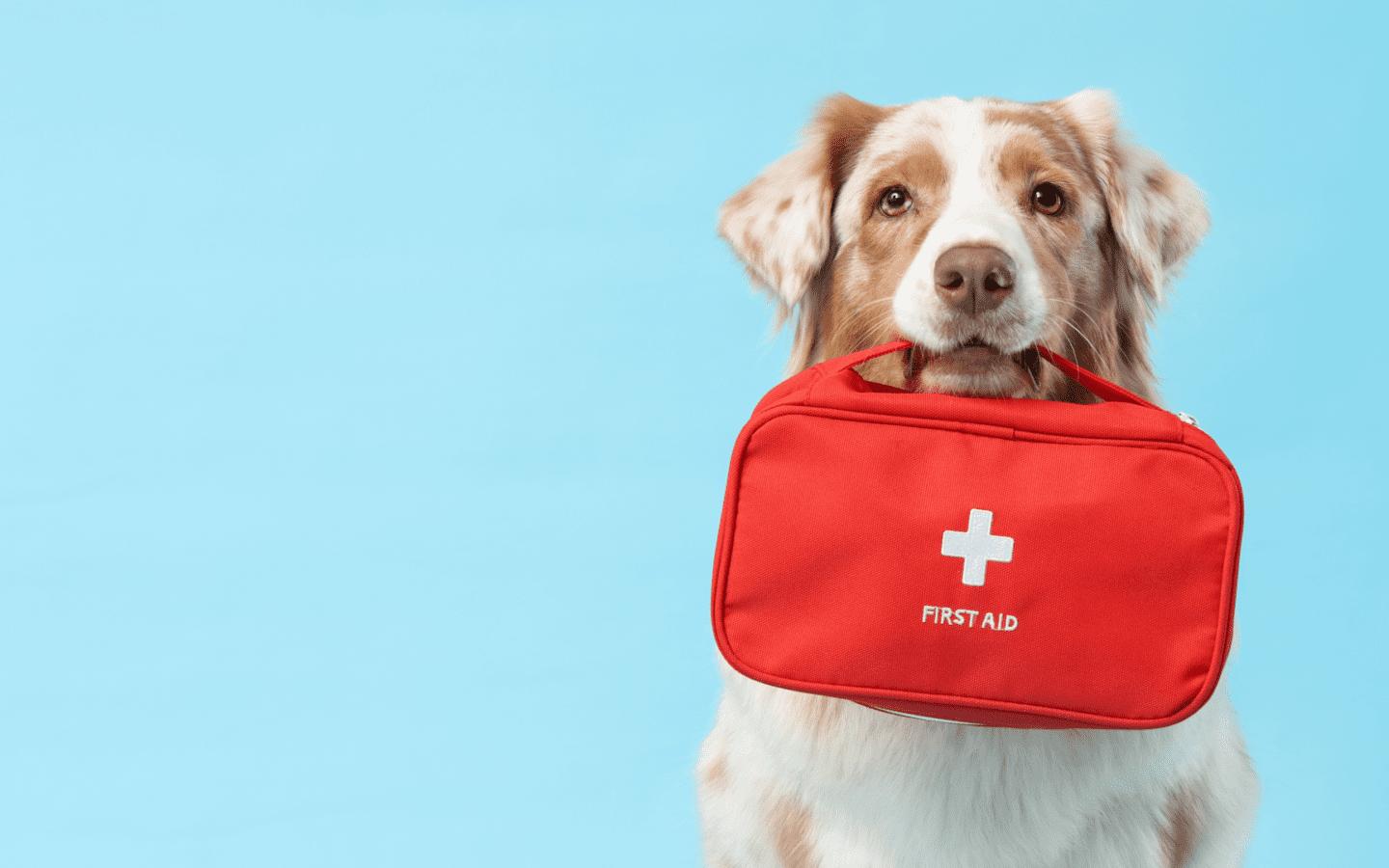
Life with a dog is joyful, messy, and sometimes unpredictable. I have celebrated muddy paw prints on clean floors and laughed at zoomies around the living room, but I have also faced moments that made my heart race. A choking scare, a sudden limp, and one terrifying encounter with a bee sting taught me that love alone is not enough. Preparation is part of responsible paw parenting, and knowing what to do in an emergency can make the difference between panic and purposeful action.
I do not pretend to be a veterinarian, and I never replace professional care with guesswork. However, I have learned that the first few minutes during an emergency matter more than we realize. The steps we take before reaching the clinic can stabilize our dogs and sometimes even save their lives. These are the first aid principles I believe every paw parent should have in their back pocket.
Staying Calm When Seconds Matter
Panic spreads fast, and dogs mirror our energy more than we think. During one frightening incident, my dog cut his paw on broken glass, and my initial reaction was pure shock. I could feel my pulse in my ears, but I realized that if I spiraled, he would too. Taking one slow breath helped me focus on what needed to be done instead of what might happen next.
I speak in a steady voice and move with intention. Dogs read body language carefully, and frantic movements can make them struggle or snap out of fear. Staying calm also allows me to assess the situation properly, whether it is bleeding, choking, or a possible fracture. Clear thinking is the foundation of effective first aid.
Building A Well-Stocked Pet First Aid Kit
A proper pet first aid kit lives in my home and another smaller one stays in my car. I do not wait until an accident happens to gather supplies because emergencies rarely give warnings. Having essentials within reach shortens response time and reduces unnecessary stress.
My kit includes sterile gauze pads, adhesive tape, non-stick bandages, antiseptic solution safe for dogs, tweezers, blunt-tip scissors, disposable gloves, and a digital thermometer. I also keep a saline solution for flushing eyes or wounds, a soft muzzle, and a blanket for warmth or transport. A printed list of emergency contacts, including my veterinarian and the nearest 24-hour animal hospital, stays tucked inside the kit.
Regularly checking expiration dates is part of my routine. I replace used items immediately so I am never caught off guard. A well-prepared kit feels like an insurance policy that I hope never to fully use but am grateful to have.
Managing Bleeding And Wounds
Blood can look dramatic, even if the injury is minor. The first time I saw my dog’s paw bleeding, I thought the worst, but I quickly learned to assess the depth and severity of the wound. Applying firm, gentle pressure with clean gauze is my first step, and I hold it in place for several minutes without constantly lifting to check.
If bleeding continues, I layer more gauze on top rather than removing the original pad. Removing it too soon can disrupt clot formation and restart bleeding. Once the bleeding slows, I clean the wound with saline or a vet-approved antiseptic and apply a non-stick bandage.
Deep wounds, heavy bleeding that does not stop within ten minutes, or injuries caused by animal bites require immediate veterinary attention. First aid is meant to stabilize, not to replace professional treatment. I treat even small wounds seriously because infection can develop quickly.
What To Do If Your Dog Is Choking
Choking is one of the most terrifying situations I have experienced. Dogs explore the world with their mouths, and sometimes that curiosity leads to trouble. Gagging, pawing at the mouth, excessive drooling, and difficulty breathing are signs that something may be lodged in the throat.
I carefully open my dog’s mouth if he allows it and look for visible objects. If I can see the object clearly and it is easy to grasp, I use tweezers to remove it gently. I never blindly sweep my fingers inside because that can push the object deeper.
If my dog cannot breathe and the object cannot be removed easily, I position him carefully and apply firm thrusts just behind the rib cage, similar to abdominal thrusts used in humans. For small dogs, I support their back and apply controlled pressure with my fingers. Even if the object comes out, I still contact my veterinarian because internal damage can occur.
Handling Burns And Scalds
Burns can happen from hot surfaces, spilled liquids, or even electrical cords. I once found my dog sniffing too close to a freshly used stovetop, and that close call reminded me how curious they are around heat sources. If a burn occurs, cooling the area with cool, not icy, running water is my first step.
I let the water flow over the affected area for several minutes to reduce heat and minimize tissue damage. Ice is not recommended because it can restrict blood flow and worsen the injury. After cooling, I loosely cover the burn with sterile gauze and seek veterinary care.
Blistering, charred skin, or burns covering a large area are always emergencies. Pain control and infection prevention are crucial, and those require professional treatment. Acting quickly with proper cooling can limit the severity of the damage before reaching the clinic.
Responding To Suspected Poisoning
Dogs can ingest things they should never touch, from chocolate to household cleaners. One afternoon, I found torn packaging on the floor and had to quickly determine what had been eaten. Time is critical in suspected poisoning cases, so I immediately call my veterinarian or an animal poison hotline.
I never induce vomiting unless specifically instructed by a professional. Some substances, like sharp objects or corrosive chemicals, can cause more harm if brought back up. Having information ready, such as the substance name, estimated amount, and time of ingestion, helps the veterinarian guide next steps.
Common signs of poisoning include vomiting, diarrhea, drooling, tremors, lethargy, and seizures. I monitor closely while preparing for transport to the clinic. Quick action and clear communication can dramatically improve outcomes.
Dealing With Heatstroke
Hot weather can be dangerous, especially in humid climates. Living in a warm region, I am constantly aware of how quickly dogs can overheat. Panting heavily, drooling excessively, vomiting, wobbling, or collapsing are red flags that require immediate intervention.
I move my dog to a shaded or air-conditioned space right away. I apply cool water to the body, focusing on the belly, paws, and armpits, and use a fan to increase airflow. Ice baths are not recommended because they can cause blood vessels to constrict too quickly.
Even if my dog seems to recover, I still visit the veterinarian. Heatstroke can cause internal damage that is not immediately visible. Prevention is always better, so I avoid midday walks and ensure constant access to fresh water.
What To Do During A Seizure
Witnessing a seizure can feel overwhelming, especially the first time. My instinct was to hold my dog still, but I quickly learned that this is not safe. Instead, I clear the area of furniture or objects that could cause injury.
I do not place my hands near the mouth because dogs can bite involuntarily during a seizure. I quietly note the time and observe the duration, as this information is important for the veterinarian. Most seizures last under two minutes, though they can feel much longer.
After the episode, my dog may appear disoriented or temporarily blind. I keep the environment calm and dim while contacting my veterinarian. Repeated seizures within a short period are a medical emergency that requires immediate attention.
Handling Fractures And Sprains
A sudden limp or refusal to bear weight can signal a sprain or fracture. I avoid manipulating the limb too much because movement can worsen the injury. Supporting the body with a towel or blanket as a makeshift stretcher helps reduce strain during transport.
If a bone is visibly protruding, I cover the area with sterile gauze without attempting to push anything back into place. Splinting can be helpful, but only if I know how to do it properly and can do so without causing additional pain. Often, minimizing movement and heading straight to the vet is the safest approach.
Pain can cause even the gentlest dog to react defensively. Using a soft muzzle protects both of us during handling. Prompt veterinary evaluation ensures proper imaging and treatment.
Treating Allergic Reactions
Allergic reactions can escalate quickly. Swelling around the face, hives, vomiting, or difficulty breathing require immediate attention. I once watched my dog’s muzzle puff up after a bee sting, and it was a sobering reminder of how fast symptoms can appear.
If the stinger is visible, I gently scrape it out with a flat object instead of squeezing it. Cold compresses can help reduce swelling temporarily. I contact my veterinarian to ask whether an antihistamine is appropriate and to confirm dosage.
Severe reactions, including collapse or labored breathing, demand emergency care. Acting quickly can prevent a mild reaction from turning life-threatening. Awareness of my dog’s sensitivities helps me stay vigilant.
Checking Vital Signs At Home
Basic knowledge of vital signs empowers me to assess how serious a situation might be. A normal resting heart rate for most dogs ranges between 60 and 140 beats per minute, depending on size. I check by placing my hand on the chest or feeling the pulse inside the thigh.
Normal body temperature typically falls between 100 and 102.5 degrees Fahrenheit. I use a digital rectal thermometer designed for pets, applying lubricant for comfort. Gum color also provides clues, as healthy gums are usually pink and moist.
Pale, blue, or brick-red gums can signal serious issues such as shock or oxygen deprivation. Slow capillary refill time, measured by pressing on the gum and observing how quickly color returns, can also indicate trouble. These small checks guide my decision to seek urgent care.
Preparing For Emergencies Before They Happen
Preparation does not begin during the crisis. I keep my dog’s medical records accessible and ensure identification tags are always updated. Microchipping adds another layer of protection in case we become separated during an emergency.
I also familiarize myself with the fastest route to the nearest 24-hour animal hospital. During a real emergency, the last thing I want is to search for directions while under stress. Practicing gentle handling of paws, ears, and mouth during calm moments makes first aid easier if it becomes necessary.
Knowledge builds confidence, and confidence reduces panic. I review first aid steps periodically so they stay fresh in my mind. That small investment of time gives me peace.
Knowing When To Seek Professional Help
First aid is a bridge, not a destination. If symptoms persist, worsen, or involve breathing difficulties, heavy bleeding, seizures, or unconsciousness, I head straight to the veterinarian. Trusting my instincts has served me well because I know my dog’s normal behavior better than anyone.
Even if an issue seems minor, I err on the side of caution. Dogs hide pain instinctively, and subtle changes can signal bigger problems. Consulting a professional ensures that what appears small does not evolve into something severe.
Being proactive is an act of love. I would rather make an unnecessary trip to the clinic than regret waiting too long. That mindset shapes how I respond in uncertain situations.
Caring for a dog means accepting that accidents and health scares are part of the journey. I cannot control every variable in my dog’s world, but I can control how prepared I am to respond. First aid knowledge has shifted me from feeling helpless to feeling capable, even in tense moments.
Each emergency I have navigated has deepened my respect for veterinarians and reinforced the importance of preparation. My goal is not perfection but readiness. With calm hands, a stocked kit, and a clear plan, I stand a better chance of protecting the companion who trusts me completely.
