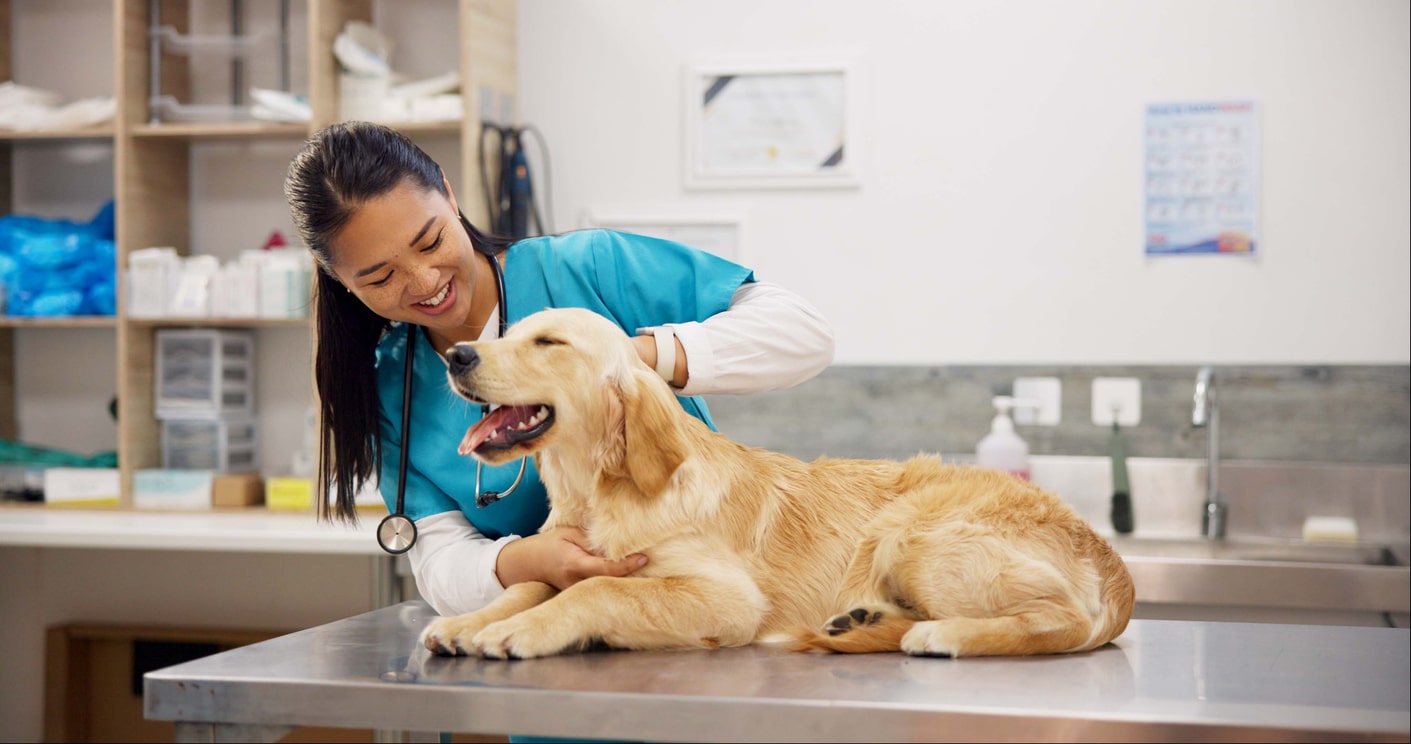
I don’t treat veterinary visits as optional errands squeezed between errands and work calls. They are part of the rhythm of responsible dog ownership, just like daily walks and filling the water bowl. Over the years, I have learned that routine checkups are not just about vaccines or emergencies. They are about building a long-term health plan that changes as my dog grows, matures, and eventually ages.
Many people ask how often they should take their dog to the veterinarian, hoping for a simple, one-size-fits-all answer. The truth is more nuanced. Age, breed, lifestyle, medical history, and even geography play a role in determining the right schedule. I have seen how tailoring vet visits to my dog’s specific needs makes a noticeable difference in overall health and peace of mind.
Puppy Visits: Building The Foundation
Puppies require the most frequent trips to the vet, and for good reason. During the first year of life, their immune systems are still developing, and they are especially vulnerable to infectious diseases. I typically plan visits every three to four weeks from around six to eight weeks of age until about sixteen weeks. These appointments revolve around core vaccinations, parasite checks, and monitoring growth milestones.
Core vaccines often include protection against diseases such as rabies, distemper, parvovirus, and adenovirus. My veterinarian spaces these shots carefully to ensure maximum effectiveness. At the same time, each visit becomes an opportunity to discuss nutrition, house training, behavior, and socialization. I find that these conversations are just as valuable as the medical treatments themselves.
Beyond vaccines, early vet visits establish a baseline for my dog’s health. The veterinarian listens to the heart and lungs, examines the eyes and ears, and checks for congenital issues. Detecting problems early can prevent expensive and stressful complications later. That early investment in consistent care often pays off for years to come.
Adult Dogs: The Annual Standard
Once my dog reaches adulthood, usually around one year of age, the frequency of visits shifts. For healthy adult dogs, I schedule a comprehensive exam once a year. This annual checkup may sound minimal, but it covers more than most people realize.
During these visits, the veterinarian performs a full physical examination from nose to tail. Teeth and gums are evaluated for early signs of dental disease, which is surprisingly common in adult dogs. Weight is assessed, and I often discuss diet adjustments if my dog has gained or lost pounds unexpectedly. Subtle changes in weight can signal underlying health concerns.
Vaccination schedules may also be adjusted at this stage. Some vaccines are given annually, while others are administered every three years depending on the type and local regulations. I rely on my veterinarian’s guidance to determine what is necessary based on risk factors such as boarding, dog parks, or travel.
Routine lab work sometimes becomes part of the annual visit. Blood tests and fecal exams help detect issues that are not visible during a physical exam. Conditions such as kidney disease, liver problems, or intestinal parasites can progress quietly, and early detection makes treatment far more manageable.
Senior Dogs: Twice A Year And Sometimes More
Dogs age faster than humans, and once my dog enters the senior stage, typically around seven years for many breeds, I increase the frequency of vet visits. Twice-a-year checkups become the norm, and in some cases, even more frequent monitoring is necessary. I view this phase as proactive rather than reactive.
Senior dogs are more prone to arthritis, heart disease, diabetes, and cognitive decline. A six-month interval allows the veterinarian to catch changes before they spiral into emergencies. I have learned that what seems minor, such as subtle stiffness or a slight increase in thirst, can point to larger concerns.
Diagnostic testing becomes more common during senior visits. Blood panels, urinalysis, and sometimes imaging studies help track internal health. These tools provide a clearer picture of how organs are functioning. Having comparative data from previous visits makes it easier to spot trends over time.
Special Circumstances That Change The Schedule
Not all dogs fit neatly into age-based categories. Certain breeds are predisposed to specific conditions, and that reality influences how often I visit the vet. For example, large breeds may require closer monitoring for joint issues, while smaller breeds often face dental challenges earlier in life.
Lifestyle also matters. Dogs that frequently board, attend daycare, or hike in tick-prone areas may need additional preventive care. I once increased visits during a period when my dog was traveling with me more often, simply to stay ahead of parasite prevention and vaccination requirements.
Chronic medical conditions demand more frequent follow-ups. If a dog is diagnosed with diabetes, thyroid imbalance, or heart disease, monitoring becomes more intensive. In those cases, I work closely with the veterinarian to establish a schedule that supports stability and comfort.
The Role Of Preventive Care
Preventive care forms the backbone of regular vet visits. Heartworm prevention, flea and tick control, and dental cleanings are easier and more affordable than treating advanced disease. I see these measures as insurance against avoidable suffering.
Dental disease deserves special attention. Many dogs show no outward signs of pain until the condition is advanced. Annual exams often reveal tartar buildup or gum inflammation that can be addressed before tooth loss occurs. In some cases, professional cleanings under anesthesia become necessary, and I prefer to plan those procedures rather than face emergency extractions.
Nutrition counseling is another overlooked aspect of preventive care. As dogs age or activity levels change, caloric needs shift. I have had multiple conversations with my veterinarian about adjusting portion sizes or switching formulas. Those discussions have prevented obesity, which is linked to joint problems and metabolic disease.
Warning Signs That Call For Immediate Visits
Routine visits are important, but they do not replace urgent care when symptoms appear. I never wait for the next scheduled checkup if my dog shows signs of distress. Persistent vomiting, diarrhea lasting more than a day, sudden lethargy, or difficulty breathing require immediate attention.
Changes in appetite or drinking habits also raise red flags. Increased thirst can signal diabetes or kidney disease, while refusal to eat may indicate pain or gastrointestinal issues. Behavioral shifts, such as aggression or withdrawal, sometimes point to hidden discomfort.
Trusting my instincts has served me well. I know my dog’s normal habits better than anyone, and subtle deviations often prompt me to call the vet for advice. Even if it turns out to be minor, the reassurance is worth the visit.
Geographic Factors And Environmental Risks
Where I live influences how often I visit the vet. In areas with high heartworm prevalence, consistent testing and preventive medication are essential. Regions with heavy tick populations increase the risk of Lyme disease and other tick-borne illnesses.
Climate also affects parasite cycles. Warmer environments may require year-round flea and tick prevention, while colder climates sometimes allow seasonal adjustments. I discuss local risks with my veterinarian to tailor preventive measures appropriately.
Travel adds another layer of complexity. Crossing state or national borders can involve specific vaccination requirements. I always verify these details in advance, which sometimes leads to additional appointments to ensure compliance.
Building A Relationship With The Veterinarian
Frequent, routine visits foster a relationship between me, my dog, and the veterinary team. Familiarity reduces stress for my dog, who becomes more comfortable with the clinic environment over time. That comfort translates into smoother exams and more accurate assessments.
Open communication plays a major role in effective care. I come prepared with questions and observations, even if they seem small. Sharing detailed information about changes in appetite, behavior, or activity helps the veterinarian piece together the bigger picture.
Consistency also allows the veterinarian to track trends. Weight fluctuations, dental changes, and lab results become part of a comprehensive record. That continuity improves decision-making and minimizes guesswork.
Financial Planning For Regular Visits
Cost concerns often influence how frequently people schedule vet appointments. I have learned that budgeting for annual or biannual exams prevents larger expenses down the road. Preventive care typically costs less than emergency interventions.
Pet insurance or wellness plans can ease financial pressure. Some clinics offer packages that bundle vaccinations, exams, and routine tests into predictable monthly payments. Exploring these options has helped me stay consistent with care without feeling overwhelmed.
Delaying visits to save money can backfire. Untreated infections or chronic diseases often become more complicated and expensive. Regular checkups allow manageable issues to be addressed before they escalate.
Emotional Benefits Of Staying Consistent
Routine vet visits provide emotional reassurance. I feel more confident knowing that a professional has recently evaluated my dog’s health. That peace of mind allows me to focus on enjoying our time together rather than worrying about hidden problems.
Dogs cannot verbalize discomfort, and subtle symptoms are easy to miss. Having scheduled check-ins creates a safety net. Even if everything appears fine at home, a trained eye may detect early warning signs.
This consistency strengthens my sense of responsibility. I am not just reacting to illness but actively supporting long-term wellbeing. That proactive mindset changes the way I view pet ownership.
A Personalized Approach To Frequency
While general guidelines suggest annual visits for adult dogs and twice-yearly visits for seniors, I never rely solely on rules of thumb. My decisions are shaped by ongoing conversations with my veterinarian and close observation of my dog’s needs.
Each stage of life demands adjustments. Puppies require frequent appointments for vaccinations and growth monitoring. Adults benefit from yearly exams and preventive care. Seniors often need more frequent assessments and diagnostic testing.
Paying attention to behavior, appetite, mobility, and energy levels helps me decide whether to schedule additional visits. No chart can replace attentive care at home combined with professional oversight.
Regular veterinary visits are not just calendar obligations. They are checkpoints that help ensure a long, healthy life. By adapting the frequency of those visits to age, lifestyle, and health status, I give my dog the best chance at comfort and vitality for years to come.
