I never imagined that my dog’s breath would become a wake-up call. What started as a faint unpleasant smell slowly turned into something impossible to ignore, and that small detail pushed me to look deeper into his overall health. That moment changed the way I viewed dental care for dogs, and it reshaped how I care for him every single day. Oral health is not just about fresh breath; it plays a powerful role in a dog’s comfort, longevity, and overall well-being.
Many dog owners focus on nutrition, exercise, and regular vet visits, yet dental care often slips to the bottom of the priority list. I was guilty of that too. I assumed that chewing on toys and dry kibble was enough to keep his teeth clean, but I learned that assumption can lead to painful consequences. The more I researched and observed, the clearer it became that dental care matters far more than most of us realize.
The Hidden Dangers Lurking In Your Dog’s Mouth
A dog’s mouth may look clean at a glance, but plaque begins forming almost immediately after meals. That soft film of bacteria hardens into tartar if it is not removed, and once tartar sets in, brushing alone cannot fully eliminate it. I discovered that what seems minor on the surface can quietly progress into gum disease, infections, and even tooth loss.
Periodontal disease is one of the most common health issues in dogs, especially as they age. It does not always present dramatic symptoms in the early stages, which makes it easy to miss. Mild redness along the gums or slightly bad breath might not seem urgent, but those small signs can signal deeper inflammation. Over time, untreated dental disease can allow bacteria to enter the bloodstream and affect vital organs such as the heart, liver, and kidneys.
Realizing that oral bacteria could impact my dog’s entire body changed everything for me. Dental care stopped being cosmetic and became a core part of his health routine. I no longer saw brushing as optional maintenance but as protection against preventable suffering.
Signs Of Dental Problems Many Owners Overlook
Dogs rarely complain about pain the way humans do, and that makes dental issues particularly tricky. My dog continued eating and playing even when his gums were irritated, which gave me a false sense of security. It took careful observation to notice subtle shifts in his behavior.
Persistent bad breath is often dismissed as normal “dog breath,” but strong, foul odor can indicate infection. Drooling more than usual, pawing at the mouth, difficulty chewing, or preferring soft food are also warning signs. In some cases, dogs may tilt their heads while eating or chew on one side to avoid discomfort.
I began checking his mouth regularly, gently lifting his lips to look at his gums and teeth. Healthy gums should appear pink and firm, not red or swollen. Teeth should be relatively clean without thick brown buildup along the gum line. Making this quick check part of our weekly routine helped me catch issues before they escalated.
Why Small Breeds Face Higher Risks
Through conversations with veterinarians and fellow dog owners, I learned that smaller breeds are especially prone to dental disease. Their teeth are often crowded into tiny jaws, creating tight spaces where plaque easily accumulates. That crowding makes thorough cleaning more challenging, both naturally and during brushing.
Toy and small breeds can develop significant tartar buildup at a younger age compared to larger dogs. I have seen friends shocked when their petite companions needed professional dental procedures earlier than expected. Genetics and jaw structure play a big role, and recognizing that risk helps set realistic expectations.
Even large dogs are not immune to dental problems, though. Chewing habits, diet, and overall care influence their oral health as well. Size may affect susceptibility, but proactive care benefits every dog regardless of breed.
The Daily Habit That Makes The Biggest Difference
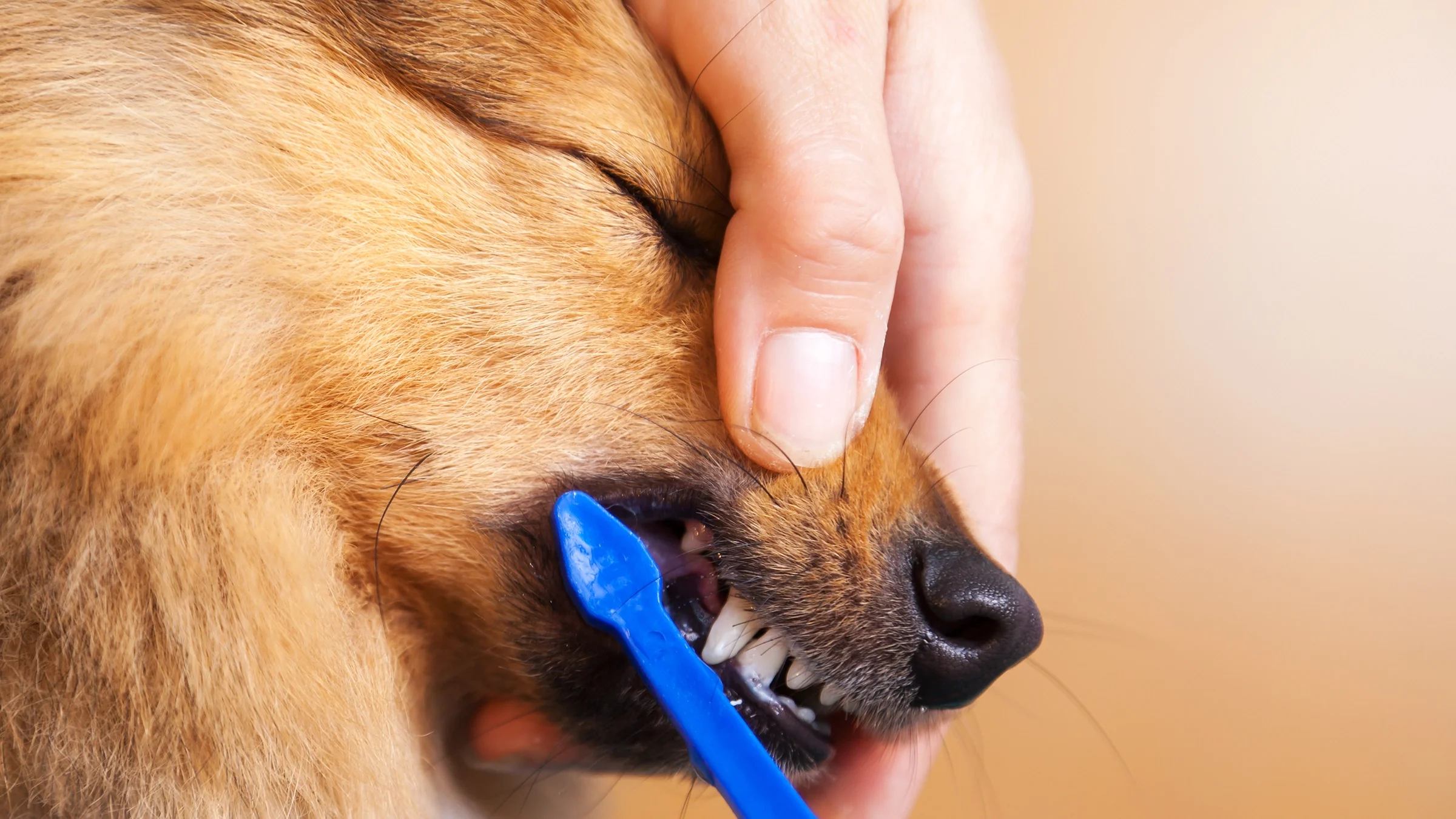
Brushing my dog’s teeth felt awkward at first. He resisted, I fumbled with the toothbrush, and the whole process seemed more complicated than it should have been. With patience and gradual introduction, though, it became one of the most impactful habits we built together.
Using a toothbrush designed specifically for dogs and toothpaste formulated for canine use is essential. Human toothpaste contains ingredients that can be harmful if swallowed, and dogs inevitably swallow most of what goes into their mouths. I started slowly by letting him taste the toothpaste, then gently rubbing his teeth with my finger before transitioning to a brush.
Consistency matters more than perfection. Even brushing a few times a week significantly reduces plaque buildup compared to doing nothing at all. Short, positive sessions with praise and treats afterward turned brushing into a manageable routine rather than a battle.
Professional Cleanings Are Not Just An Extra Expense
At one point, I hesitated about scheduling a professional dental cleaning because of the cost and the need for anesthesia. It felt like an optional procedure rather than a necessity. After discussing the long-term risks of untreated dental disease with our veterinarian, my perspective shifted.
Professional cleanings remove tartar below the gum line, an area impossible to address with home care alone. That deep cleaning prevents progression of periodontal disease and allows the vet to examine each tooth closely. Catching cracked teeth, abscesses, or hidden infections early can spare a dog from significant pain.
While anesthesia carries some risk, modern veterinary practices take careful precautions to ensure safety. Pre-anesthetic blood work and monitoring during the procedure reduce complications. Balancing short-term concerns against long-term health outcomes helped me make more confident decisions for my dog.
The Role Of Diet In Oral Health
Food choices influence dental health more than many people realize. Dry kibble can provide mild abrasive action, but it is not a substitute for brushing. Some specially formulated dental diets are designed to reduce plaque and tartar buildup through texture and specific ingredients.
Treats also deserve careful consideration. Sticky or sugary snacks can cling to teeth and feed harmful bacteria. I became more mindful about selecting dental chews approved by veterinary organizations, ensuring they are both safe and effective.
Fresh water is another often overlooked factor. Clean water helps rinse away food particles and bacteria throughout the day. Regularly washing bowls prevents additional bacterial growth that could compromise oral hygiene.
Chew Toys As Support, Not A Replacement
Dogs naturally love to chew, and that instinct can work in their favor. Appropriate chew toys help massage gums and scrape away some plaque. I noticed that when my dog consistently chewed on safe, durable toys, his teeth looked slightly cleaner between brushings.
Not all chew items are created equal, though. Extremely hard objects can crack teeth, leading to painful injuries. I learned to avoid bones and antlers that are harder than his teeth, opting instead for vet-recommended rubber or nylon toys designed for dental support.
Supervision is essential during chew time to prevent choking hazards or accidental swallowing of large pieces. Chewing complements brushing and professional care, but it cannot replace them. Treating chew toys as one part of a broader dental strategy keeps expectations realistic.
The Emotional Side Of Dental Neglect
Witnessing a dog in oral pain is heartbreaking. Dogs often mask discomfort, but when the pain becomes severe, it shows in their eyes and behavior. I saw a friend’s dog withdraw from play and lose interest in food because of advanced dental disease, and that experience left a strong impression on me.
Pain affects more than physical health. It changes a dog’s mood, energy, and overall quality of life. Irritability or sudden aggression can sometimes stem from oral discomfort rather than behavioral issues.
Preventing that suffering feels like a responsibility I cannot ignore. Simple preventive steps today can spare months or years of discomfort later. That awareness fuels my commitment to staying consistent with dental care.
Dental Health And Lifespan
Research suggests that chronic inflammation from periodontal disease can contribute to systemic health problems. Bacteria entering the bloodstream may strain vital organs over time. That connection between oral health and longevity surprised me and reinforced how interconnected the body truly is.
Maintaining healthy gums and teeth reduces the inflammatory burden on a dog’s system. While dental care alone does not guarantee a longer life, it supports overall resilience. I see it as strengthening the foundation upon which other aspects of health depend.
Healthy teeth also enable proper nutrition. Dogs with painful mouths may avoid chewing thoroughly, leading to digestive issues or weight loss. Protecting their ability to eat comfortably supports their vitality as they age.
Starting Early Makes Everything Easier
Puppyhood offers a golden window for building positive dental habits. Introducing gentle mouth handling early makes brushing far less stressful later on. I have seen how puppies who grow accustomed to toothbrushes and routine checks accept them as normal parts of life.
Adult dogs can still adapt, but patience becomes even more important. Gradual desensitization, rewards, and calm persistence go a long way. Progress might feel slow at first, yet small improvements add up over time.
Early care also reduces the likelihood of severe disease developing in the first place. Prevention is far easier and less expensive than treatment. Establishing routines early sets the stage for a lifetime of healthier smiles.
Building A Sustainable Routine
Long-term success depends on creating a routine that fits into daily life. I tied brushing to an existing habit, such as our evening wind-down time, so it became part of a predictable rhythm. That consistency helped both of us adjust without feeling overwhelmed.
Tracking dental checkups on my calendar ensures I do not delay professional evaluations. Even with diligent home care, regular veterinary assessments remain essential. Open communication with the vet about any changes in breath, appetite, or behavior keeps us proactive rather than reactive.
Sustainable care does not require perfection. Missing a brushing session occasionally will not undo all progress, but returning to the routine promptly matters. Focusing on steady commitment rather than flawless execution makes the process manageable.
Why This Topic Deserves More Attention
Dog ownership comes with many responsibilities, and dental care often hides behind more visible concerns. Shiny coats and energetic play are easy to celebrate, while gum health rarely gets the spotlight. Yet the mouth serves as a gateway to the rest of the body.
Paying attention to dental health reflects a deeper level of care. It shows that we value our dogs’ comfort even when problems are not immediately obvious. That mindset transforms routine maintenance into an act of compassion.
Reflecting on my journey, I realize how close I came to overlooking an essential aspect of my dog’s well-being. A simple issue like bad breath led me to discover a much larger truth about preventive care. Dental care for dogs truly matters more than most people think, and giving it the attention it deserves is one of the most loving choices we can make for our companions.
