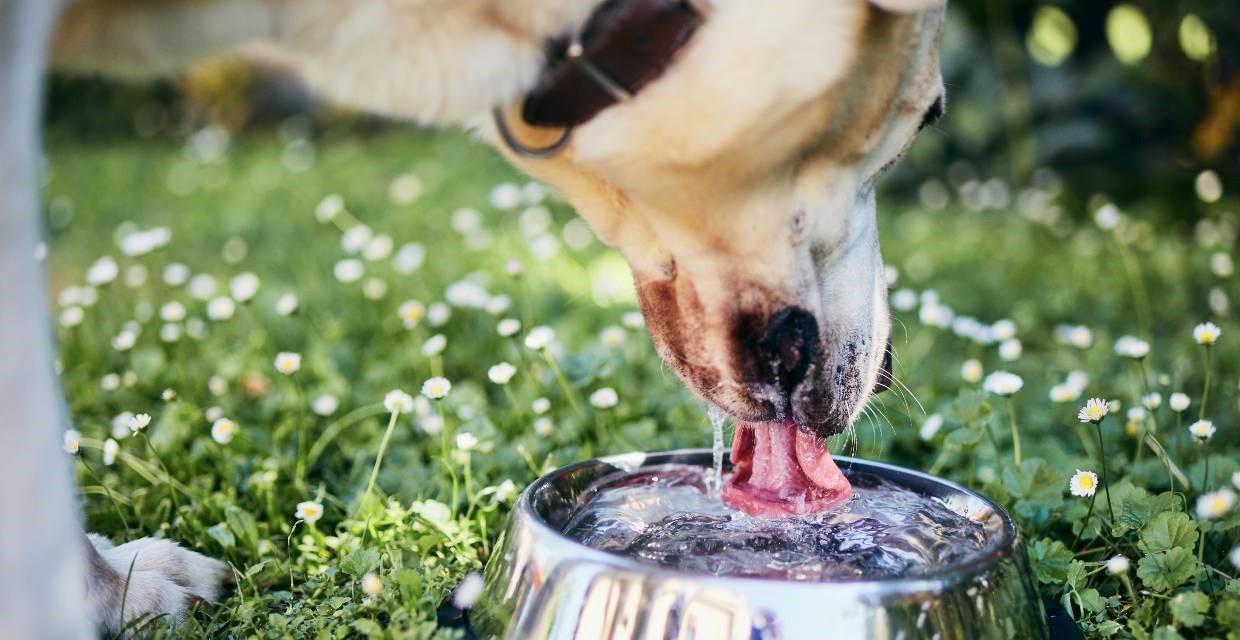
Summer has a way of turning a happy, energetic dog into a panting puddle on the kitchen floor. I see it every year when the temperature starts climbing and the pavement feels warm under my shoes. My dog still wants to chase squirrels, sniff every bush, and patrol the yard like nothing has changed, but the heat tells a different story. That is when hydration becomes more than just filling a bowl with water and hoping for the best.
Hot weather puts extra stress on a dog’s body. They do not sweat the way we do, so they rely heavily on panting to cool down, which means they lose moisture quickly. If I am not paying attention, dehydration can creep in faster than I expect. Over time, I have picked up practical tricks that help my dog stay cool, hydrated, and safe during the hottest months of the year.
Why Hydration Matters More In Summer
Dogs are always in need of fresh water, but summer raises the stakes. Higher temperatures increase fluid loss through panting and normal activity. Even a short walk in humid weather can cause noticeable thirst.
I have noticed that on especially hot days, my dog’s water bowl empties twice as fast as usual. That alone tells me how hard his body is working to regulate temperature. Without enough fluids, he can become lethargic, dizzy, or even face heatstroke, which can turn serious very quickly.
Hydration supports healthy circulation, organ function, and temperature control. It also helps maintain energy levels and supports digestion. Once I understood how interconnected water is to every system in his body, I stopped treating hydration as an afterthought.
Recognizing The Early Signs Of Dehydration
Spotting dehydration early makes all the difference. I pay attention to subtle changes in behavior before they become emergencies. Excessive panting, dry gums, thick saliva, and a lack of interest in play can all be warning signs.
One trick I use is gently lifting the skin at the back of my dog’s neck. If it snaps back quickly, hydration is likely adequate. If it stays tented for a moment before settling, that can indicate dehydration. I also check his gums to make sure they feel moist rather than sticky or dry.
Changes in appetite and darker urine are additional clues. If my dog seems unusually tired or avoids moving around, especially after being outdoors, I take it seriously. Acting early has saved us from more than one close call during intense heat waves.
Fresh Water In Multiple Locations
One simple hack that made a big difference was placing water bowls in several areas of the house. Instead of relying on one bowl in the kitchen, I now keep extra bowls in the living room and near the back door. This encourages my dog to drink more often because water is always within reach.
Outside, I set up a shaded water station in the yard. Direct sunlight can warm water quickly, and most dogs are less interested in drinking from a bowl that feels like bathwater. I check and refill outdoor bowls frequently to make sure the water stays cool and inviting.
I also wash the bowls daily during summer. Heat can encourage bacteria growth, and clean bowls make water more appealing. Small adjustments like these have noticeably increased how much my dog drinks throughout the day.
Adding Flavor To Encourage Drinking
Some dogs are not enthusiastic water drinkers, especially when they are distracted by outdoor adventures. I have found that adding a splash of low-sodium chicken or beef broth to water can make it far more enticing. The change in scent alone often brings my dog trotting over immediately.
Another option I use is offering ice cubes made from diluted broth. He treats them like special snacks, and I get the peace of mind that he is taking in extra fluids. It feels like a win on both sides.
Of course, I am careful about ingredients. I avoid anything with onion, garlic, or excessive salt. A simple, dog-safe broth can transform a plain bowl of water into something irresistible.
Hydrating Foods That Help Beat The Heat
Water does not have to come only from a bowl. Many fruits and vegetables contain high water content and can support hydration naturally. I like to offer small pieces of watermelon without seeds, cucumber slices, or a few blueberries as cooling treats.
Plain yogurt can also be refreshing in moderation. Sometimes I freeze a mixture of yogurt and mashed fruit in silicone molds for a homemade frozen snack. It keeps my dog occupied while also helping him cool down.
I always introduce new foods slowly and in small portions. Treats should not replace balanced meals, but they can complement hydration efforts during hot weather. These edible hydration boosters have become a summer staple in our routine.
Timing Walks To Reduce Fluid Loss
Midday walks in peak heat are something I avoid whenever possible. Early mornings and late evenings are much kinder on a dog’s body. I have noticed that my dog pants less and drinks at a more moderate pace when we exercise during cooler hours.
Hot pavement can also contribute to overheating. I test surfaces with the back of my hand before heading out. If it feels too hot for me, it is definitely too hot for his paws.
Shorter, more frequent walks work better in extreme heat. Instead of one long outing, I break activity into manageable sessions. This prevents excessive fluid loss and keeps his energy more stable throughout the day.
Portable Hydration On The Go
Bringing water along during outings has become non-negotiable for me. Collapsible bowls and portable dog water bottles make it easy to offer drinks anytime. I do not wait for my dog to show obvious thirst before offering water.
On longer walks or trips to the park, I schedule short hydration breaks. Even if he seems focused on playing, I gently encourage him to pause and drink. Most of the time, he happily accepts once the bowl is in front of him.
Travel days require extra preparation. Whether we are visiting family or heading to a pet-friendly café, I make sure water is part of the plan. This habit has helped prevent overheating during spontaneous summer adventures.
Creating Cool Zones At Home
Hydration works best when paired with a cooler environment. I close curtains during the hottest parts of the day to block direct sunlight. Fans and air conditioning help maintain a comfortable indoor temperature.
I also set up a cooling mat in my dog’s favorite resting spot. These mats absorb body heat and provide relief without needing electricity. After playtime outside, he naturally gravitates toward it.
Shade in the yard is equally important. Trees, umbrellas, or a simple canopy can dramatically reduce heat exposure. When my dog has access to both shade and fresh water, he regulates himself much better.
Frozen Treats For Extra Relief
Frozen treats are more than just a fun indulgence. They provide both hydration and a cooling effect. I sometimes freeze plain water with a few pieces of fruit inside, turning it into a slow-melting snack.
Another favorite in our house is stuffing a rubber toy with wet dog food and freezing it. It takes time to finish, which helps extend the cooling benefit. My dog enjoys the challenge, and I enjoy knowing he is getting extra moisture.
Moderation is important because too much cold food too quickly can upset a sensitive stomach. I pay attention to how he reacts and adjust portions accordingly. Used thoughtfully, frozen treats are a powerful hydration hack.
Monitoring Activity Levels In Extreme Heat
Summer excitement can push dogs beyond their limits. I have learned to step in before enthusiasm turns into exhaustion. If my dog is running hard in hot weather, I interrupt play for a water break and a rest in the shade.
Heavy panting that does not slow down after a few minutes is a red flag. Drooling more than usual or appearing disoriented are signs to end activity immediately. In those moments, hydration and cooling take priority over fun.
I never leave my dog unattended outside for long periods during heat waves. Even with water available, prolonged exposure can overwhelm his ability to cope. Close supervision gives me the chance to respond quickly if he shows distress.
Adjusting Meals During Hot Weather
Appetite often shifts in summer. I have noticed that my dog sometimes eats less during very hot days. Instead of forcing large meals, I split his food into smaller portions served during cooler times.
Adding a bit of water to dry kibble increases moisture intake. It also softens the food, making it easier to eat. This simple tweak supports hydration without changing his entire diet.
For dogs on wet food, ensuring it stays fresh and does not spoil in the heat is important. I avoid leaving meals out for extended periods. Clean feeding areas and proper storage help maintain both safety and hydration.
When To Seek Veterinary Care
Despite my best efforts, there are moments when professional guidance is necessary. If my dog shows signs of severe dehydration such as vomiting, collapse, pale gums, or rapid heart rate, I contact a veterinarian immediately. Heatstroke can escalate quickly and requires urgent care.
Persistent refusal to drink is another reason for concern. Underlying health conditions can affect thirst and fluid balance. Consulting a veterinarian ensures that I am not overlooking a deeper issue.
I remind myself that prevention is always easier than treatment. Staying proactive with hydration reduces the likelihood of emergency situations. Still, I never hesitate to seek help if something feels off.
Building A Consistent Summer Routine
Consistency has been the biggest game changer for us. Hydration is not about one big drink after a long day. It is about small, frequent opportunities to replenish fluids.
Our summer days follow a rhythm. Morning walk before the sun rises too high, fresh water check before noon, quiet indoor play during peak heat, and an evening stroll once the air cools down. This pattern keeps my dog comfortable and hydrated without constant stress.
By weaving these habits into daily life, hydration becomes second nature. I no longer worry as much about sudden heat spikes because we are already prepared. A thoughtful routine gives both of us confidence throughout the season.
Final Thoughts On Staying Cool And Hydrated
Hot summer days can be tough on dogs, but they do not have to be dangerous. With a little planning and attention, hydration becomes an easy part of daily care. I have learned that small adjustments add up to significant protection against heat-related issues.
Watching my dog lounge comfortably in the shade with a cool bowl of water nearby gives me peace of mind. He still gets to enjoy his favorite activities, just with smarter timing and better preparation. Summer remains a season of adventure, not anxiety.
Hydration hacks are not complicated or expensive. They are simple choices repeated consistently, guided by observation and care. By staying attentive and proactive, I can make sure my dog thrives even when the temperature soars.
