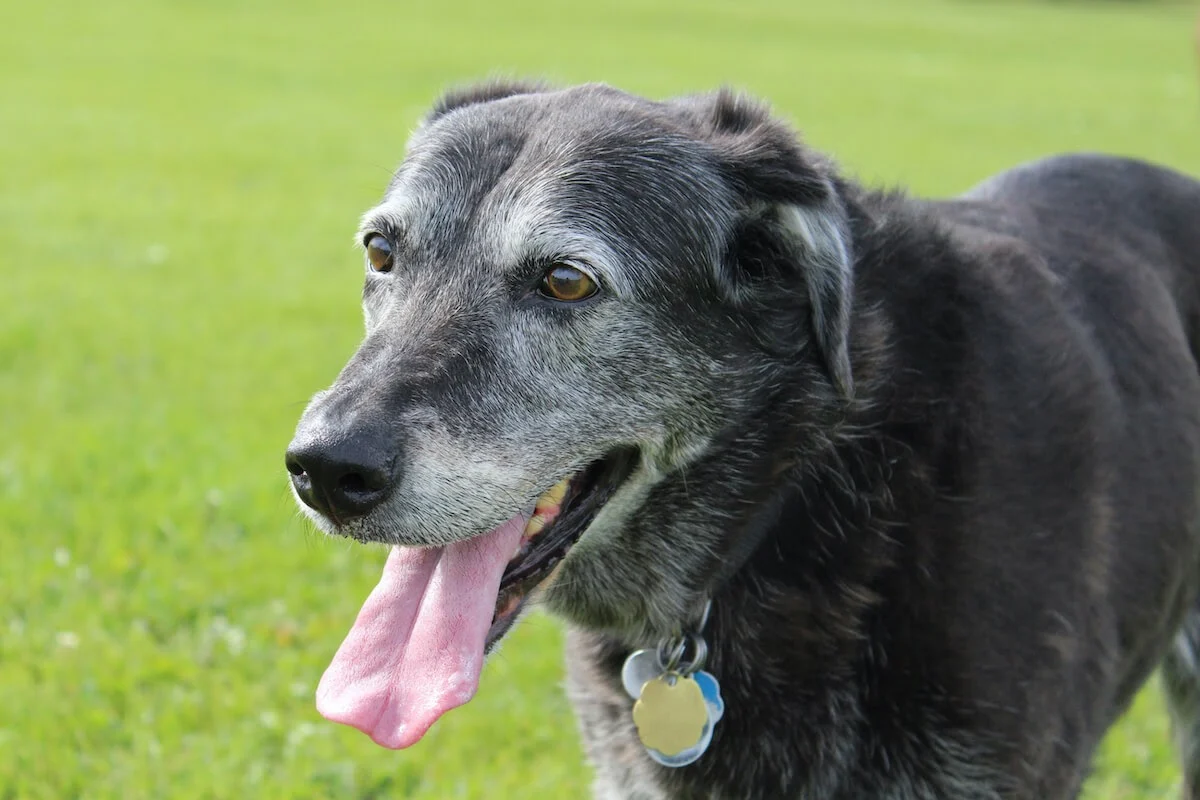
Growing older alongside a dog is one of the greatest privileges of my life. The gray hairs around the muzzle, the slower stretch after a nap, the deeper sigh at the end of the day all tell a story of years shared. Senior dog health is not simply about managing decline; it is about adjusting expectations, routines, and care so that the later chapters are just as meaningful as the early ones.
Aging looks different for every dog. Large breeds often enter their senior years earlier than small breeds, and mixed breeds sometimes surprise us with their resilience. What stays consistent, though, is that physical, mental, and emotional changes will happen gradually. Paying attention to those shifts has helped me support my older dogs with patience instead of frustration.
Slower Movement And Joint Changes
One of the first changes I notice in senior dogs is how they move. The zoomies become less frequent, and getting up from the floor takes a little more effort. Stiffness after rest is common, especially in breeds prone to joint issues.
Conditions like arthritis tend to develop as cartilage wears down over time. I often see subtle signs before obvious limping appears, such as hesitation before jumping onto the couch or taking stairs one step at a time. Cold or damp weather can make stiffness more noticeable, and longer naps may become part of the daily rhythm.
Supporting joint health usually means adjusting exercise rather than eliminating it. Short, consistent walks help maintain muscle tone without overloading aging joints. Soft bedding, non-slip rugs on slick floors, and ramps instead of stairs can make a noticeable difference in comfort.
Changes In Energy Levels
Energy shifts are part of normal aging. Play sessions might be shorter, and recovery time after activity tends to increase. Senior dogs still enjoy engagement, but they may prefer calm games over high-intensity fetch marathons.
I have found that mental stimulation becomes just as important as physical activity. Puzzle feeders, scent games, and gentle training refreshers keep older dogs interested without exhausting them. The key is reading their cues and stopping before fatigue sets in.
A sudden drop in energy, however, should not be dismissed as “just old age.” Lethargy can signal underlying health issues that deserve veterinary attention. Differentiating between natural slowing down and illness requires close observation and sometimes diagnostic testing.
Weight Fluctuations And Metabolism
Metabolism often slows as dogs age, which can lead to weight gain if diet and activity remain unchanged. Extra weight places additional stress on joints and the cardiovascular system, compounding age-related issues. I have learned to reassess portion sizes and treat frequency rather than relying on habits formed years earlier.
On the other hand, some senior dogs lose weight unexpectedly. Muscle mass can decrease with age, but noticeable or rapid weight loss may point to dental pain, digestive problems, or systemic disease. Monitoring body condition regularly helps me catch changes early.
Switching to a senior-formulated diet is sometimes recommended, but individual needs vary. Protein levels, calorie density, and added joint supplements should be discussed with a veterinarian who understands the dog’s overall health picture.
Dental Health Concerns
Dental disease becomes more common in older dogs. Tartar buildup, inflamed gums, and loose teeth can cause chronic discomfort that many dogs hide remarkably well. Bad breath is often the first clue that something deeper is happening.
Regular dental cleanings, whether at home or professionally performed, play a significant role in senior dog health. Untreated dental infections can affect the heart, liver, and kidneys over time. I have seen how addressing oral health improves appetite, mood, and overall vitality.
Older dogs may also be more sensitive to anesthesia, so dental procedures should be planned carefully. Pre-anesthetic bloodwork helps ensure safety and allows adjustments tailored to the individual dog.
Hearing And Vision Changes
Gradual hearing loss can sneak up quietly. A dog who once responded instantly to a call may seem distracted or stubborn, when in reality the sound simply does not register the same way. I have learned to use hand signals and gentle touch to communicate when hearing fades.
Vision can also decline with age. Cloudiness in the eyes, often linked to nuclear sclerosis, is common and usually does not severely impact sight. Cataracts, however, can reduce vision more significantly and may require veterinary evaluation.
Maintaining a stable home environment becomes crucial when sensory changes occur. Furniture rearrangements can confuse a dog who relies on memory to navigate. Clear pathways and consistent routines help build confidence despite fading senses.
Cognitive Changes And Memory
Cognitive decline in senior dogs can mirror aspects of dementia in humans. Disorientation, altered sleep patterns, and house soiling in previously trained dogs may indicate canine cognitive dysfunction. Watching a once-sharp companion struggle with confusion can be emotionally difficult.
Small adjustments can ease the impact. Predictable schedules, gentle reassurance, and mental stimulation tailored to their capacity support cognitive health. In some cases, veterinarians recommend dietary changes or medications that may slow progression.
Not every lapse is cognitive dysfunction, though. Hearing loss or anxiety can mimic confusion, so a thorough evaluation is essential before drawing conclusions. I remind myself that patience and compassion matter more than perfection during this stage.
Changes In Appetite And Digestion
Appetite can fluctuate in senior years. Some dogs become pickier, while others seem constantly hungry due to metabolic or hormonal shifts. Paying attention to eating patterns helps identify whether a change is behavioral or medical.
Digestive sensitivity may increase with age. Foods that were tolerated easily in youth might now cause loose stools or gas. Introducing dietary adjustments gradually minimizes stress on the gastrointestinal system.
Persistent vomiting, diarrhea, or refusal to eat warrants veterinary consultation. Early intervention often prevents minor issues from escalating into serious conditions.
Skin, Coat, And Grooming Needs
Aging skin tends to become thinner and less elastic. Dryness, small lumps, or changes in coat texture are common in older dogs. Not every lump is dangerous, but any new growth should be examined to rule out malignancy.
Grooming routines sometimes need modification. Senior dogs may not tolerate long grooming sessions as easily as they once did. Breaking grooming into shorter sessions can make the experience more comfortable.
Regular brushing supports circulation and provides an opportunity to check for abnormalities. I treat grooming time as both practical care and a quiet bonding ritual.
Increased Veterinary Visits
Senior dog health often requires more frequent veterinary checkups. Biannual visits instead of annual exams allow earlier detection of age-related diseases. Bloodwork, urinalysis, and blood pressure monitoring become increasingly important.
Chronic conditions such as kidney disease, diabetes, and heart disease are more common in older dogs. Early diagnosis expands treatment options and can significantly improve quality of life. I have learned that proactive care reduces both stress and long-term costs.
Open communication with the veterinarian builds trust. Discussing subtle behavioral changes or minor concerns can uncover patterns that might otherwise be overlooked.
Emotional And Behavioral Shifts
Aging affects temperament in subtle ways. Some senior dogs become more clingy, seeking reassurance and proximity. Others prefer solitude and longer periods of rest.
Pain can manifest as irritability or withdrawal. A dog who growls unexpectedly may be responding to discomfort rather than displaying aggression. Observing context helps distinguish personality changes from medical issues.
Respecting new boundaries fosters harmony. If an older dog no longer enjoys rough play with younger pets, supervising interactions protects everyone involved.
Sleep Pattern Changes
Senior dogs often sleep more, sometimes significantly more than they did in adulthood. Extended naps are part of the aging process, but nighttime restlessness can indicate discomfort or cognitive decline.
Adjusting bedtime routines can help. A short, gentle walk before bed may reduce nighttime pacing. Comfortable bedding in a quiet, draft-free space supports deeper rest.
If sleep disturbances become persistent, a veterinary evaluation can rule out pain or metabolic causes. Addressing the underlying issue often restores more predictable sleep cycles.
Incontinence And House Training Regression
Accidents indoors can be frustrating, especially when a dog has been reliably house-trained for years. Age-related muscle weakening, hormonal changes, or underlying disease may contribute to incontinence.
Rather than assuming stubbornness, I focus on practical solutions. More frequent bathroom breaks, waterproof bedding, and washable pads reduce stress for both of us. Medical treatment is available for certain types of incontinence, making professional guidance essential.
Compassion goes a long way during this stage. Maintaining dignity for an aging companion matters more than spotless floors.
Pain Management And Comfort
Chronic pain is one of the most significant concerns in senior dog health. Dogs instinctively hide discomfort, which means subtle signs like decreased enthusiasm or altered posture deserve attention.
Veterinary-prescribed medications, supplements such as glucosamine, and alternative therapies like acupuncture may offer relief. Multimodal pain management often yields the best results. Regular reassessment ensures that treatment remains effective as needs evolve.
Comfort also involves environment. Orthopedic beds, easy access to favorite resting spots, and climate control reduce physical strain.
The Importance Of Routine
Consistency becomes increasingly valuable in the senior years. Predictable meal times, walks, and bedtime rituals provide a sense of security. Sudden disruptions can heighten anxiety or confusion.
Routine does not mean rigidity. Flexibility is still important, especially when health fluctuations occur. Balancing structure with adaptability supports emotional well-being.
I find that maintaining simple daily rituals strengthens our bond. Even quiet moments together hold profound meaning as time passes.
Preparing For End-Of-Life Decisions
Discussing end-of-life care is never easy, yet it forms an essential part of responsible guardianship. Quality of life assessments help guide difficult decisions. Factors such as pain control, appetite, mobility, and joy in daily activities all contribute to the bigger picture.
Hospice care for dogs has become more accessible, allowing families to focus on comfort rather than cure when appropriate. Open conversations with veterinarians clarify options and reduce uncertainty.
Facing mortality with honesty allows me to prioritize comfort and dignity. Senior dog health ultimately centers on preserving quality of life rather than extending time at any cost.
Celebrating The Senior Years
Aging does not diminish the value of companionship. Senior dogs often exude a calm wisdom that feels grounding. Their slower pace invites reflection and deeper appreciation of shared moments.
I treasure the quiet mornings, the gentle tail wags, and the way an older dog rests their head on my lap with complete trust. These moments carry a richness that youthful chaos sometimes overshadows.
Caring for a senior dog demands attentiveness, adaptability, and emotional resilience. In return, it offers a depth of connection that is difficult to describe yet impossible to forget. Each gray hair tells a story, and I feel honored to be part of it.
