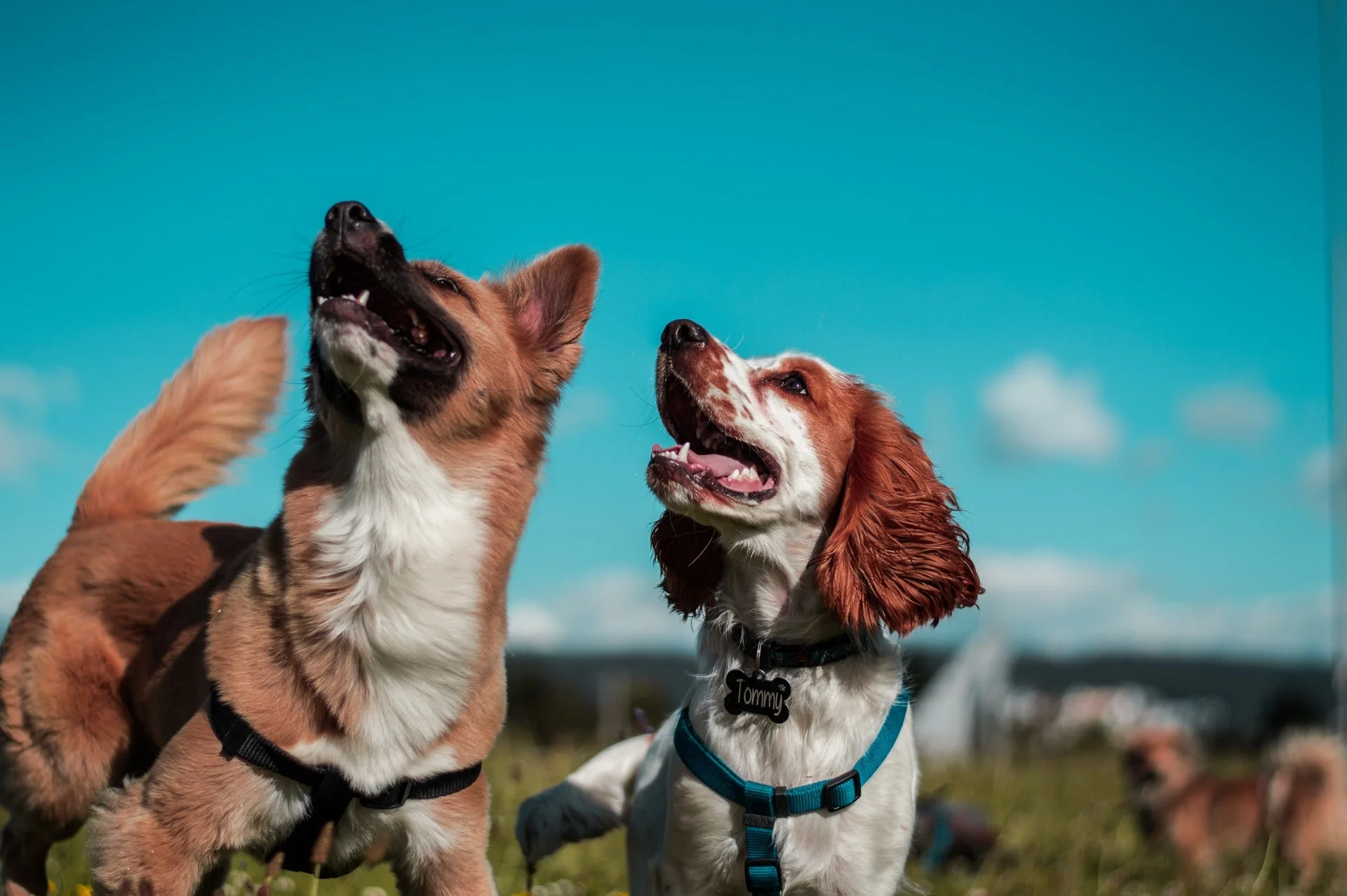
Bringing a new dog into my home is always a mix of excitement and responsibility. I know from experience that the way I handle those first few days can shape the relationship between my existing pets, my family, and the newcomer. A smooth introduction does not happen by accident. It takes planning, patience, and a willingness to move at the dogs’ pace instead of my own.
I have learned that dogs thrive on structure and clarity. A new environment can feel overwhelming for them, especially if other animals are already part of the household. By preparing carefully and guiding each interaction step by step, I create a foundation that helps everyone feel safe and respected. The goal is not instant friendship, but steady progress and mutual trust.
Prepare Your Home Before Arrival
Preparation begins long before the new dog steps through the door. I set up a designated area where the new dog can rest, eat, and decompress without interference. This space usually includes a comfortable bed, fresh water, toys, and a crate or pen if the dog is crate-trained. Having this ready signals that the new dog has a place of their own from day one.
I also make small adjustments around the house to reduce potential tension. Food bowls are separated, high-value toys are temporarily put away, and I ensure there are no tight corners where a dog might feel trapped. These simple changes prevent competition and help avoid unnecessary stress during the first interactions.
If I already have a dog, I pay attention to their routine as well. I make sure they are well-exercised and calm before the new dog arrives. A tired dog is usually more relaxed and less reactive, which sets a more peaceful tone for the introduction.
Choose A Neutral Meeting Spot
The first meeting matters more than many people realize. Instead of bringing the new dog straight into my living room, I arrange the initial introduction in a neutral location. This might be a quiet park or a calm sidewalk near my home. Neutral ground reduces territorial behavior and gives both dogs a fresh setting.
During this first meeting, I keep both dogs on leashes and allow them to observe each other from a comfortable distance. I watch their body language carefully. Loose tails, soft eyes, and relaxed postures tell me they are curious but calm. Stiff bodies, hard stares, or raised hackles signal that I need to create more space.
I avoid forcing them to interact nose-to-nose right away. Instead, I let them walk parallel to each other, gradually decreasing the distance. Walking together can be surprisingly effective because it gives them a shared activity and reduces direct confrontation.
Read Body Language Closely
Dogs communicate constantly through subtle signals. I have learned to pay close attention to small changes in posture, facial expression, and movement. A quick lip lick, a yawn, or turning the head away can be signs that a dog feels unsure. Recognizing these cues early helps me step in before tension escalates.
Positive signs are just as important. Play bows, relaxed wiggly movements, and brief sniffing followed by disengagement are encouraging indicators. These behaviors show that the dogs are exploring each other without feeling threatened.
If I notice prolonged staring, growling that sounds intense, or snapping, I calmly separate the dogs and give them time to reset. I do not punish growling because it is a form of communication. Instead, I create distance and try again later under calmer conditions.
Keep Initial Interactions Short
Short and positive meetings work far better than long, overwhelming sessions. After the first neutral introduction, I bring the dogs home but maintain a structured setup. The new dog explores their designated area while the resident dog observes from a distance or another room.
I allow brief, supervised interactions inside the house. These sessions might last only a few minutes at first. Ending the interaction on a calm note builds confidence and reduces the chance of conflict.
Over the next several days, I gradually increase the length of these supervised moments. Patience here pays off significantly. Rushing the process often leads to setbacks that take longer to fix than the time saved.
Manage Resources Carefully
Competition over resources is one of the most common causes of tension between dogs. I feed each dog in a separate area where they cannot see or approach each other’s bowls. Mealtime should feel safe and predictable, not competitive.
Toys can also trigger possessiveness, especially high-value items like bones or chew treats. In the early stages, I remove shared toys during joint play sessions. Once I am confident that both dogs are comfortable, I slowly reintroduce toys under supervision.
Attention from me is another valuable resource. I make an effort to give both dogs individual time and affection. This reassures the resident dog that they have not been replaced and helps the new dog bond with me in a calm, focused way.
Establish Clear Routines
Dogs feel secure when their daily life follows a consistent rhythm. I maintain regular feeding times, walks, and rest periods for both dogs. Predictability reduces anxiety and makes it easier for the new dog to adjust.
Walks are particularly helpful during this transition. Taking both dogs on structured walks together builds positive associations. They begin to see each other as part of the same pack experience rather than as competitors.
Inside the home, I reinforce basic rules for both dogs. If the resident dog is not allowed on the couch, the new dog follows the same rule. Consistency prevents confusion and promotes fairness, which dogs seem to sense more than we might expect.
Supervise And Separate When Necessary
Even if the dogs appear to get along, I never leave them unsupervised in the beginning. It can take weeks for true comfort to develop. During this adjustment period, I use baby gates, crates, or closed doors to manage their access to each other.
Supervision allows me to intervene early if play becomes too rough. Playful growling and wrestling can be normal, but I look for balanced interactions. Both dogs should take turns being on top or chasing. If one dog seems overwhelmed or tries repeatedly to escape, I step in and redirect the energy.
Nighttime is another important consideration. I usually keep the new dog in their designated sleeping area at first. This prevents unexpected nighttime conflicts and gives everyone a chance to rest.
Introduce To Other Family Members Gradually
If children or other pets live in the household, introductions must be equally thoughtful. I teach children to approach calmly, avoid hugging or crowding the dog, and respect the dog’s space. Supervision is non-negotiable during these early encounters.
For cats or smaller animals, I proceed even more cautiously. The new dog remains on a leash while observing from a safe distance. I reward calm behavior and prevent chasing from becoming a habit.
Each successful interaction builds confidence. I move forward only when I see relaxed body language and consistent calm responses. Slow progress is still progress, and it often leads to more stable long-term relationships.
Address Behavioral Concerns Early
Sometimes challenges arise despite careful preparation. If I notice persistent aggression, extreme fear, or escalating tension, I do not ignore it. Early intervention makes a significant difference.
Consulting a professional dog trainer or behaviorist can provide clarity and guidance. A qualified expert can observe subtle dynamics that I might miss and offer tailored strategies. Seeking help is not a failure; it is a responsible step toward a harmonious home.
Training sessions that involve both dogs can also strengthen their bond. Working on simple commands together, such as sit and stay, encourages focus and cooperation. Shared structure often reduces rivalry.
Be Patient With The Adjustment Period
Adjustment does not happen overnight. In my experience, it can take several weeks for a new dog to feel fully comfortable. Some dogs settle quickly, while others need more time to trust their surroundings and housemates.
I remind myself that small signs of progress matter. Relaxed naps in the same room, brief moments of play, or calm coexistence during mealtime are all victories. These moments signal that the foundation is becoming stronger.
Setbacks can happen, and they do not mean failure. A brief scuffle or a tense interaction can be part of the process. What matters is how I respond by calmly separating, reassessing, and moving forward with renewed care.
Celebrate Positive Milestones
As the days pass, I begin to notice changes in the energy of the home. The dogs may start seeking each other out for play or resting near each other without tension. These milestones deserve quiet celebration.
I reinforce positive interactions with praise and gentle encouragement. Dogs respond well to calm approval, and it reinforces the behavior I want to see more often. Gradually, supervision becomes less intense as trust grows.
Welcoming a new dog into my household is not just about adding another pet. It is about reshaping the rhythm of daily life and expanding the circle of companionship. With preparation, patience, and consistent guidance, I create an environment where both old and new dogs can thrive.
In the end, the journey of introduction becomes part of our shared story. The early days of cautious meetings and structured routines fade into memories of wagging tails and shared naps. Taking the time to do it right builds a peaceful home that benefits everyone, both human and canine.
