Clocking in for eight or more hours a day does not mean my dog has to spend that time bored, anxious, or lonely. A full-time schedule simply asks for a bit more intention and structure. Dogs thrive on rhythm, connection, and clear expectations, and once I embraced that truth, my workdays started feeling less like a source of guilt and more like a well-managed partnership.
I do not pretend that balancing career goals and canine companionship is effortless. Some days feel long, and there are moments when I wish I could spend every afternoon at home. Still, I have found that with thoughtful planning, a steady routine, and genuine engagement during the hours we share, my dog can live a joyful and fulfilled life even while I work full-time.
Start The Day With Purpose And Energy
Mornings set the emotional tone for the entire day. If I rush around in a stressed haze, my dog absorbs that energy instantly. Instead, I build in enough time for a calm, structured start that meets both physical and emotional needs before I walk out the door.
A brisk walk is non-negotiable in our home. Even twenty to thirty focused minutes of movement makes a dramatic difference. I let my dog sniff, explore, and move at a steady pace because mental stimulation from scent work tires a dog out in a healthy way. By the time we return home, that edge of restless energy has softened.
After the walk, I spend a few minutes practicing simple commands like sit, stay, or down. Short training sessions stimulate the brain and reinforce communication. My dog heads into the day having exercised body and mind, which makes alone time feel far less overwhelming.
Create A Predictable Daily Rhythm
Dogs relax when they know what to expect. Random schedules tend to produce anxious pacing or excessive barking because uncertainty breeds stress. I stick to consistent times for meals, walks, and bedtime so my dog can anticipate what comes next.
Feeding happens at the same time each morning and evening. Bathroom breaks follow a reliable pattern. Even my departure routine remains similar each day, which prevents my dog from feeling confused or alarmed by sudden changes.
Consistency builds trust. My dog does not wonder whether I will come back or when the next meal will appear. That security forms the foundation of happiness, especially for a dog spending several hours alone during the workday.
Make Alone Time Mentally Stimulating
Physical exercise is important, but mental engagement carries equal weight. Before I leave for work, I set up enrichment activities that turn quiet hours into productive time. Food puzzles, stuffed toys, or slow feeders transform a simple meal into a problem-solving experience.
I rotate toys rather than leaving everything accessible at once. This keeps items feeling novel instead of predictable. A toy that disappears for a week and then reappears feels exciting again, which holds my dog’s interest much longer.
Safe chew options also help relieve stress. Chewing is naturally calming for dogs, and providing appropriate outlets prevents destructive habits from forming. By the time I arrive home, my dog has not simply waited around but has actively engaged with the environment.
Design A Comfortable And Secure Space
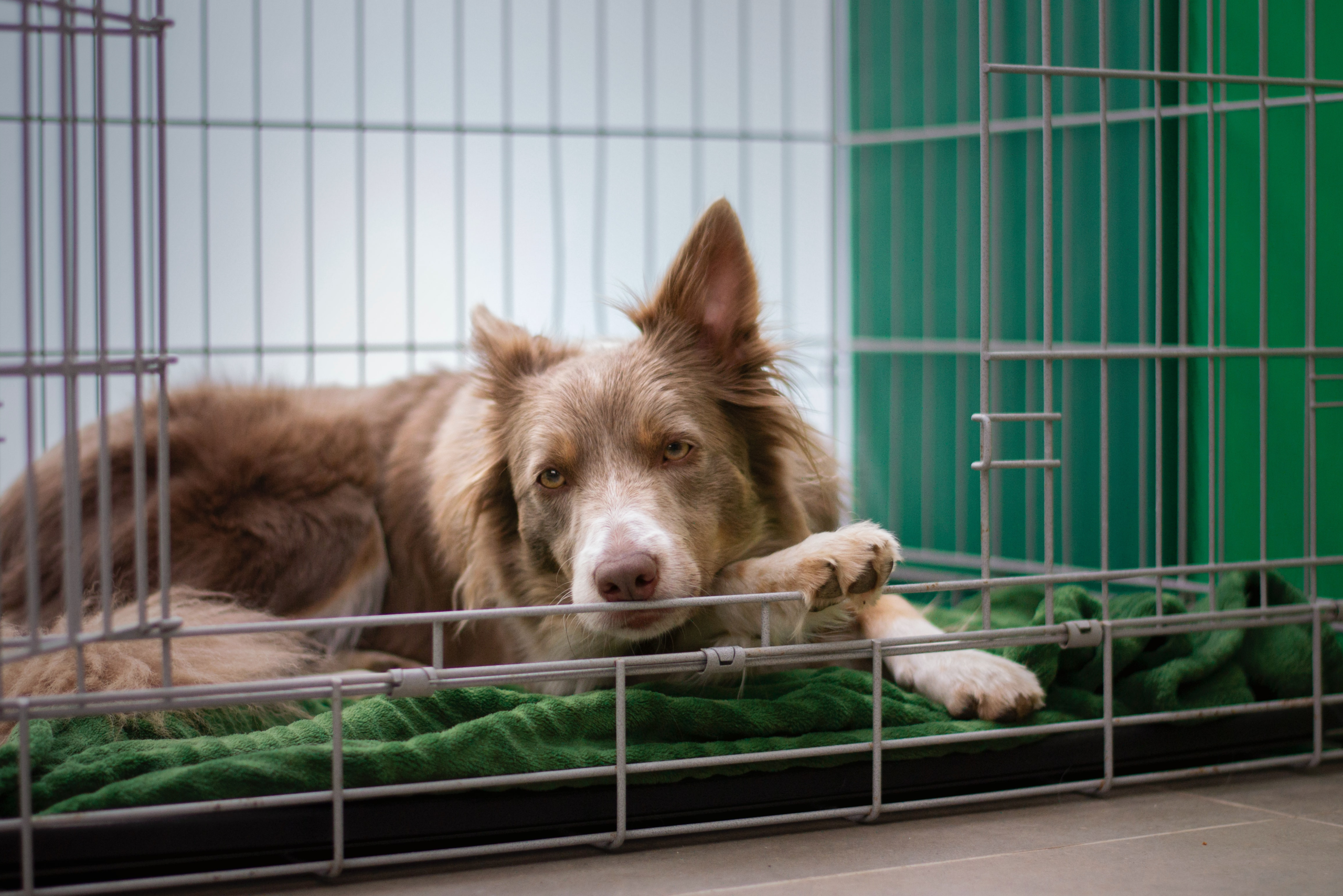
The environment I leave behind matters more than I realized at first. A chaotic or overstimulating space can amplify anxiety. I make sure my dog has a designated area that feels safe and familiar.
This might be a crate, a gated section of the house, or a cozy corner with a bed and favorite blanket. I pay attention to lighting and temperature so the area stays comfortable throughout the day. Soft background noise, like gentle music or a television at low volume, can reduce the impact of outside sounds that might otherwise trigger barking.
Security builds confidence. When my dog associates that space with rest and calmness rather than confinement, alone time becomes a routine part of life instead of a source of distress.
Break Up The Day When Possible
Not every work schedule allows flexibility, but small adjustments can make a big impact. If I can come home during lunch, even for fifteen minutes, I take advantage of that opportunity. A quick potty break and a bit of affection refresh my dog’s emotional tank.
On days when returning home is not realistic, I explore alternatives. A trusted neighbor, a professional dog walker, or a reputable daycare can provide mid-day interaction. Even a few hours of social time reduces the length of continuous solitude.
Investing in support does not mean I am failing my dog. It means I am recognizing limits and ensuring my pet’s needs remain a priority despite professional responsibilities.
Focus On Quality Time After Work
Guilt used to follow me home, but I learned that quality outweighs quantity. When I walk through the door, I make sure our reunion feels warm and attentive rather than distracted. That does not mean overwhelming excitement, but it does mean presence.
An evening walk offers another opportunity for exercise and bonding. Sometimes we explore a new route, and other times we stick to familiar territory. Variety keeps things interesting while predictability keeps things comforting.
Interactive play sessions also matter. Tug, fetch, or simple hide-and-seek games strengthen our connection and allow my dog to release pent-up energy. These shared experiences communicate love far more effectively than passive coexistence in the same room.
Invest In Ongoing Training
Training is not reserved for puppies. Continuous skill-building strengthens confidence and reinforces communication. I dedicate short sessions throughout the week to practicing obedience, tricks, or leash manners.
Structured training tires a dog mentally in a way that aimless activity cannot. It also gives my dog a sense of accomplishment. Mastering a new cue or refining an old one builds resilience and self-assurance.
Well-trained dogs handle alone time better because they understand expectations. They are less likely to develop destructive behaviors when boundaries and routines remain clear and consistent.
Watch For Signs Of Stress
Even with careful planning, some dogs struggle more than others. I pay close attention to behavioral changes that might indicate separation anxiety or boredom. Excessive barking, destructive chewing, accidents indoors, or sudden clinginess signal that adjustments may be necessary.
Video monitoring can provide insight into what actually happens during the day. I once assumed my dog slept peacefully for hours, only to discover periods of pacing. That awareness helped me modify the routine and add additional enrichment.
Early intervention prevents small issues from becoming entrenched habits. Addressing concerns with patience rather than frustration keeps the relationship strong and supportive.
Prioritize Social Interaction
Dogs are social creatures, and regular interaction with other dogs or people enriches their lives. Weekend playdates, group training classes, or supervised park visits add variety to the weekly routine. These experiences burn energy and build social skills.
I do not rely solely on occasional big outings, though. Even brief positive encounters during walks contribute to a well-rounded emotional life. Greeting a familiar neighbor or meeting a calm dog along the route can brighten my dog’s day.
Balanced socialization reduces the intensity of dependence on me alone. My dog learns that the world offers multiple safe connections, which eases the pressure during my work hours.
Maintain Realistic Expectations
Part of keeping my dog happy while working full-time involves managing my own mindset. Dogs sleep far more than humans do, often up to fourteen hours a day depending on age and breed. Quiet hours at home are not inherently harmful when basic needs are met.
I remind myself that happiness does not require constant stimulation. It requires safety, affection, exercise, and structure. Comparing my routine to someone who works from home only creates unnecessary guilt.
What matters most is consistency and commitment. Showing up every day with patience and intention fosters a secure bond that endures beyond the work schedule.
Adjust As Life Changes
Life evolves, and so do dogs. Puppies require more frequent breaks and supervision, while adult dogs may settle into longer stretches of rest. Senior dogs often need additional comfort and medical consideration.
Whenever my work hours shift or my dog’s needs change, I reassess the routine. That might mean hiring additional help, adjusting exercise intensity, or modifying feeding times. Flexibility prevents stagnation and ensures my dog continues to thrive.
Growth does not signal failure. It signals attentiveness to a living being whose needs deserve ongoing care and respect.
Build A Relationship Rooted In Trust
At the core of all these strategies lies trust. My dog trusts that I will return, provide food, offer affection, and protect our shared space. That trust reduces anxiety more effectively than any toy or gadget.
I nurture that bond through daily touch, eye contact, and calm communication. Small rituals, like a gentle pat before leaving or a quiet greeting upon return, reinforce stability. Over time, these repeated gestures form a deep sense of security.
Working full-time does not weaken our connection. In many ways, it strengthens it, because the time we share becomes intentional and meaningful rather than passive or distracted.
Balancing a demanding career and a devoted canine companion takes effort, but it is absolutely achievable. By structuring mornings with purpose, enriching alone time, prioritizing quality interactions, and staying responsive to emotional cues, I create a life where my dog feels valued and fulfilled. My work may occupy part of the day, yet the heart of our home remains steady, warm, and deeply connected.
