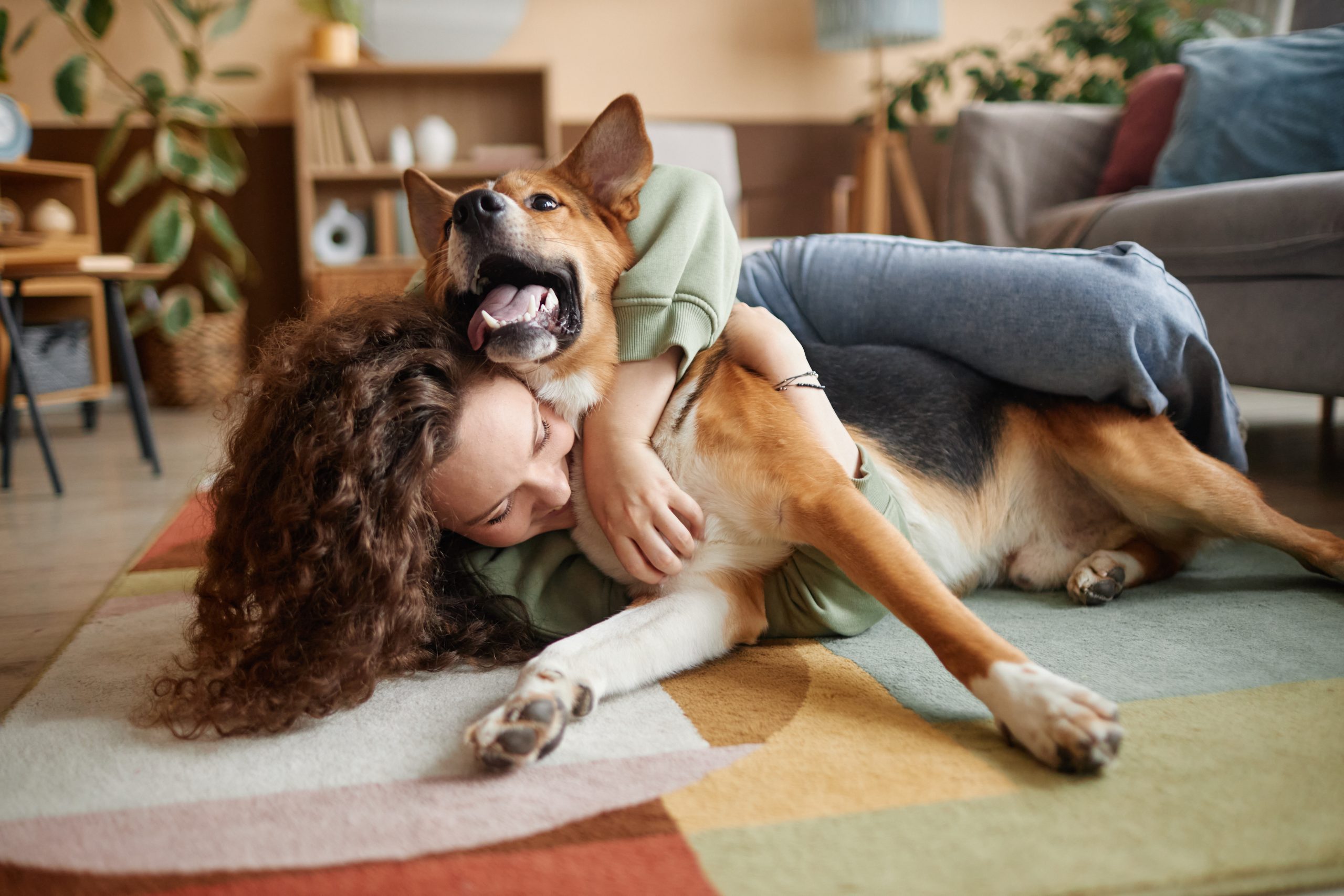
City skylines and compact floor plans don’t usually inspire images of oversized paws thumping across hardwood floors, yet that’s exactly what my home looks like. A big dog stretches from one end of the couch to the other, tail draped dramatically over the armrest as if the apartment were designed with him in mind. Many people assume large breeds need sprawling yards and endless square footage, but my daily life tells a different story. Apartment living with a big dog is not only possible, it can be deeply rewarding when done thoughtfully.
Doubts often come from well-meaning friends who picture cramped hallways and frustrated pets. They imagine scratched doors, noise complaints, and a dog bouncing off the walls with pent-up energy. Those concerns are valid, but they are not the full story. Size alone does not determine whether a dog can thrive in an apartment; structure, routine, and commitment matter far more.
Living in an apartment has forced me to become more intentional about how I meet my dog’s needs. That intentionality has strengthened our bond and sharpened my awareness as a pet parent. Rather than relying on a backyard to do the work for me, I actively shape his days. The result is a calmer, more balanced companion who fits surprisingly well into vertical living.
Rethinking What A Big Dog Really Needs
The common assumption is that large dogs require large spaces, but energy level and temperament play a bigger role than physical size. Some giant breeds are famously mellow indoors, content to lounge for hours after a good walk. On the other hand, certain smaller breeds can be far more demanding in tight quarters because of their high-strung personalities. Recognizing this difference shifted my perspective entirely.
I spent time researching breed tendencies and individual personality traits before committing to apartment life with a large dog. A dog’s need for mental stimulation, daily exercise, and social interaction outweighs the need for an expansive living room. Space becomes secondary when routines are solid and enrichment is built into everyday life.
Apartment living also encourages closeness. My dog is rarely isolated in a distant part of the house, which means I notice subtle changes in mood, appetite, or behavior quickly. That proximity fosters attentiveness and prevents small issues from escalating. In many ways, our compact space enhances our communication.
Making A Small Space Feel Expansive
Square footage may be limited, but layout and organization can dramatically affect how roomy an apartment feels to a dog. I rearranged furniture to create clear walking paths and an open central area where my dog can move comfortably. Clutter is minimized because stray items on the floor quickly become obstacles for a long tail and wide turning radius.
Vertical storage solutions have been invaluable. By using shelves and wall hooks, I free up floor space while keeping essentials accessible. Dog gear such as leashes, harnesses, and treat pouches have designated spots near the door, making transitions smoother and reducing chaos.
A designated rest area provides a sense of stability. My dog has a large, supportive bed placed in a quiet corner where he can retreat when he needs downtime. That spot is respected as his space, reinforcing boundaries even in a small environment. Clear zones for rest, play, and feeding create structure within limited square footage.
Daily Exercise As A Non-Negotiable Commitment
Living without a yard means outdoor time must be intentional and consistent. Walks are not optional add-ons to the day; they are anchors around which everything else is scheduled. Morning and evening outings provide physical exertion and mental stimulation, giving my dog a chance to explore scents, sights, and sounds beyond our walls.
I vary our routes to keep walks engaging. New environments challenge his senses and prevent boredom from creeping in. Even familiar streets offer fresh experiences because dogs perceive the world through scent, and every day brings new information layered onto the sidewalk.
Longer adventures on weekends compensate for busier weekdays. Trips to larger green spaces allow him to stretch his legs more freely. Those outings are as beneficial for me as they are for him, offering a reset from indoor living and strengthening our shared rhythm.
The Role Of Training In Apartment Success
Clear communication is the backbone of peaceful apartment life with a big dog. Basic obedience commands are not just impressive tricks; they are practical tools that make close living manageable. Commands like sit, stay, and leave it help navigate tight hallways, elevator rides, and encounters with neighbors.
Impulse control training has been particularly important. A large dog can unintentionally intimidate others, even if his intentions are friendly. Teaching him to remain calm around doorways and during greetings reduces stress for everyone involved.
Consistency matters more than perfection. Training sessions are woven into daily routines rather than reserved for special occasions. Short, frequent practice reinforces expectations and keeps his mind engaged, which is just as tiring as physical exercise.
Managing Noise And Neighbor Relations
Noise concerns often top the list of worries for apartment dwellers with dogs. A deep bark can travel through walls and floors, so proactive management is essential. I pay close attention to triggers that cause vocalization, whether it is hallway footsteps or sudden knocks at the door.
Desensitization techniques help reduce reactive barking. By gradually exposing my dog to common apartment sounds and pairing them with positive experiences, his response becomes calmer over time. White noise machines and background music also soften external sounds, creating a buffer that keeps him more relaxed.
Open communication with neighbors goes a long way. Introducing my dog and reassuring others that I am attentive to his behavior fosters goodwill. People are more patient when they see responsible ownership in action.
Mental Enrichment Inside Four Walls
Physical exercise alone is not enough for a large, intelligent dog. Mental stimulation prevents restlessness and destructive habits. Puzzle toys, scent games, and short training drills break up the day and give him tasks to solve.
Rotating toys keeps them interesting. Instead of leaving everything accessible at once, I swap items every few days to maintain novelty. That simple strategy reduces boredom without requiring constant purchases.
Food-based enrichment is another powerful tool. Meals are sometimes delivered through slow feeders or interactive toys, transforming feeding time into a problem-solving activity. Those small adjustments turn ordinary routines into opportunities for engagement.
Elevators, Stairs, And Shared Spaces
Navigating shared spaces requires mindfulness and patience. Elevators can be intimidating for large dogs due to confined quarters and unfamiliar people. Early exposure and calm reinforcement helped my dog associate elevator rides with normal, uneventful experiences.
Stairways provide additional exercise when used safely. Controlled ascents and descents strengthen muscles and burn energy, but I remain attentive to joint health, especially with a bigger breed. Monitoring pace and avoiding excessive strain is part of responsible care.
Common areas demand courtesy. I keep him on a short leash and remain alert to other residents who may feel uneasy around dogs. Respecting communal boundaries ensures that apartment living remains harmonious for everyone.
Balancing Work And A Big Dog’s Needs
Work schedules can complicate apartment life with a large dog. Extended absences require thoughtful planning to prevent loneliness and anxiety. On busier days, midday walks or check-ins provide relief and break up long stretches of solitude.
Interactive cameras and enrichment toys help bridge the gap when I am away. These tools are not replacements for human interaction, but they offer stimulation and reassurance. Returning home to a calm, content dog reflects the effectiveness of those preparations.
Quality time in the evening becomes especially meaningful. After a day apart, we reconnect through walks, play, or simple companionship on the couch. That intentional reconnection reinforces trust and stability.
Addressing The Emotional Side Of Apartment Living
Guilt can creep in when I compare our apartment to sprawling suburban homes with fenced yards. It is easy to wonder whether my dog would be happier elsewhere. Over time, I have learned to measure his well-being by behavior rather than square footage.
A content dog sleeps peacefully, eats well, and greets the day with enthusiasm. Those signs matter more than the size of the living room. His wagging tail and relaxed posture tell me he feels secure.
Apartment living has also deepened my sense of responsibility. Without a yard to rely on, I actively curate his experiences. That involvement creates a dynamic partnership rather than a passive arrangement.
Health And Grooming Considerations In Tight Spaces
Large dogs shed, drool, and track in dirt, which can feel amplified in smaller homes. Regular grooming minimizes loose fur and keeps the apartment fresher. Brushing sessions become bonding moments rather than chores when approached with patience.
Cleaning routines are streamlined and consistent. Quick daily sweeps prevent buildup and make maintenance manageable. Air purifiers help maintain good air quality, benefiting both of us.
Veterinary care remains the same regardless of housing type. Routine checkups, vaccinations, and preventive treatments ensure long-term health. A well-cared-for dog adapts more easily to varied living environments.
Community As An Extension Of Home
An apartment is only one part of a larger ecosystem. Nearby parks, walking trails, and pet-friendly establishments expand our world beyond four walls. Regular visits to these places create variety and opportunities for socialization.
Meeting other dog owners builds a supportive network. Shared experiences and advice reinforce that apartment living with a big dog is more common than it might seem. Community interactions also provide controlled social exposure for my dog, enriching his life.
Exploring new neighborhoods together keeps our routine dynamic. Even a short drive to a different park can feel like an adventure. Those shared outings remind me that home is not confined to an address.
Is It Truly Possible?
Apartment living with a big dog demands commitment, adaptability, and a willingness to plan. It is not a casual decision or a passive arrangement. Yet with intention and consistency, it can be a deeply fulfilling lifestyle.
My experience has shown that dogs care more about connection and engagement than acreage. They thrive on routine, affection, and purposeful activity. A spacious yard cannot replace attentive companionship.
Living in an apartment has taught me to be present and proactive. It has strengthened my discipline and deepened my appreciation for the quiet moments we share. Watching my big dog curl up comfortably at the end of a busy day confirms what I have come to believe: a large dog can flourish in a small space when love, structure, and effort fill every corner.
