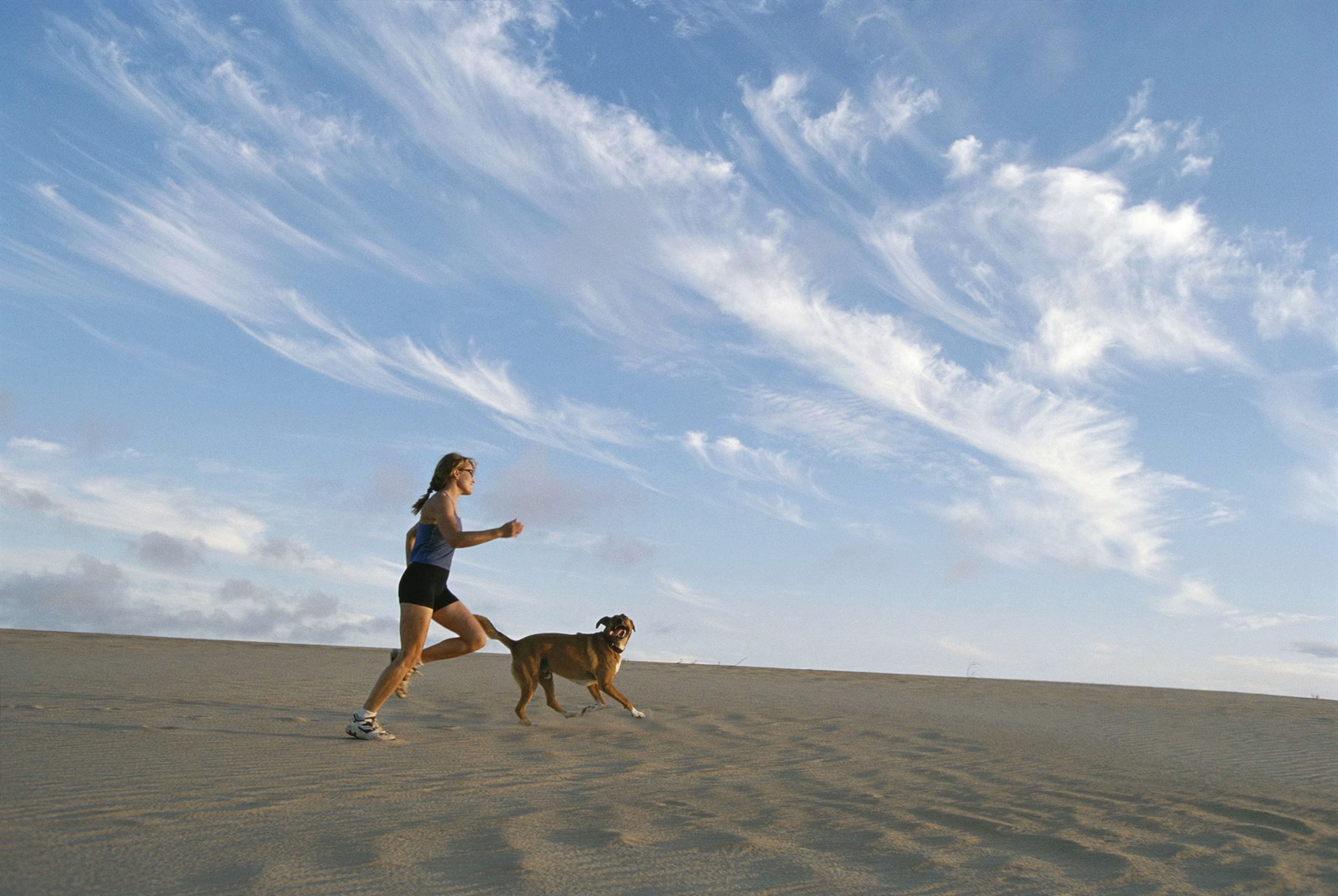
Traveling with my dog has transformed the way I see the world. Airports feel less chaotic, road trips feel more meaningful, and even quick weekend getaways carry a sense of shared adventure. Bringing a dog along is not just about companionship; it reshapes the entire rhythm of a trip. Plans become more thoughtful, stops become more frequent, and the journey becomes just as important as the destination.
Over time, I realized that successful travel with a dog is not about luck. It is about preparation, patience, and a willingness to adapt. Dogs thrive on routine, yet travel naturally disrupts it. Finding the balance between structure and spontaneity has been the key to making every trip smoother and more enjoyable for both of us.
This guide reflects what has worked for me, what has failed spectacularly, and what I wish I had known earlier. Traveling with a dog is absolutely possible, but it requires intention. With the right mindset and preparation, it becomes one of the most rewarding experiences you can share.
Preparing Your Dog Before The Trip
A successful trip begins long before the suitcase comes out of the closet. I start by assessing my dog’s temperament and energy level. Some dogs adapt quickly to new environments, while others need gradual exposure to unfamiliar sights and sounds. Short car rides and visits to new parks help build confidence before committing to longer journeys.
Health checks are a non-negotiable part of my preparation. I schedule a vet visit to ensure vaccinations are current and to discuss travel plans, especially if we are crossing state lines or flying. Having copies of vaccination records gives me peace of mind, particularly when staying in pet-friendly accommodations that require documentation.
Crate training has also been a lifesaver. Even if my dog does not use a crate daily at home, being comfortable in one during travel provides security and safety. The crate becomes a familiar space in unfamiliar surroundings, reducing stress and preventing potential mishaps in hotels or vacation rentals.
Packing The Essentials Without Overpacking
Packing for my dog often feels more complicated than packing for myself. Food, treats, bowls, leash, harness, waste bags, toys, grooming supplies, and medications quickly fill a separate bag. I create a checklist to avoid forgetting critical items, because scrambling to find specific dog food in an unfamiliar town is not ideal.
Bringing familiar items makes a noticeable difference. My dog’s favorite blanket carries the scent of home, which helps him settle in new places. A couple of well-loved toys provide comfort and prevent boredom during downtime in hotels.
Portioning food into pre-measured bags simplifies feeding schedules on the road. It prevents overfeeding and eliminates the need to carry large, bulky containers. Collapsible bowls save space and are incredibly practical for rest stops and hikes.
Mastering Road Trips Together
Road trips offer the most flexibility for traveling with a dog, but they still require thoughtful planning. I secure my dog with a crash-tested harness or a crate to ensure safety. Allowing a dog to roam freely in the car may seem harmless, but it can be dangerous in the event of sudden stops or accidents.
Frequent breaks are essential. I stop every two to three hours for bathroom breaks, short walks, and water. These pauses prevent restlessness and give both of us a chance to stretch and reset.
Temperature control remains a constant priority. Cars can heat up or cool down quickly, so I never leave my dog unattended in a parked vehicle. Even mild weather can become unsafe within minutes, and no errand is worth the risk.
Navigating Air Travel With Confidence
Flying with a dog adds layers of complexity, but it can be manageable with proper preparation. I research airline policies carefully because requirements vary widely. Size restrictions, carrier dimensions, and health documentation must align perfectly to avoid last-minute surprises at the airport.
Acclimating my dog to the travel carrier weeks before departure makes a noticeable difference. I leave the carrier open at home, place treats inside, and encourage positive associations. By the time travel day arrives, the carrier feels like a safe den rather than a foreign object.
Arriving early at the airport reduces stress for both of us. Security screenings and check-in procedures take additional time with a pet. Staying calm helps my dog remain calm, and I focus on maintaining a steady tone and predictable movements throughout the process.
Finding Pet-Friendly Accommodations
Not all “pet-friendly” labels are created equal. I read reviews carefully to understand actual policies and hidden fees. Some hotels impose weight limits or restrict certain breeds, while others genuinely welcome dogs with amenities like treats and designated relief areas.
Vacation rentals often provide more space, which can be beneficial for active dogs. A fenced yard or nearby walking trails can make the stay far more enjoyable. Before booking, I confirm details directly with the host to avoid misunderstandings upon arrival.
Upon checking in, I establish boundaries immediately. I designate a specific area for my dog’s bed and belongings to create a sense of familiarity. Maintaining basic house rules, such as not allowing access to furniture unless permitted, shows respect for the property and ensures future travelers with dogs remain welcome.
Managing Anxiety And Overstimulation
Travel introduces new sounds, smells, and faces that can overwhelm even the most confident dog. I pay close attention to body language, watching for signs of stress such as excessive panting, pacing, or withdrawal. Recognizing these signals early allows me to adjust plans before anxiety escalates.
Exercise plays a critical role in managing stress. A long walk or play session before entering a busy environment helps burn off nervous energy. Mental stimulation through simple training exercises can also redirect focus and reinforce a sense of normalcy.
Quiet downtime is equally important. After a day of exploration, I create a calm environment with minimal noise and dim lighting. Allowing my dog to decompress ensures that excitement does not turn into exhaustion.
Exploring New Destinations Responsibly
Traveling with a dog changes how I explore new places. I research dog-friendly parks, trails, and outdoor cafes in advance. Many cities now offer welcoming spaces for dogs, but it is still essential to verify local leash laws and regulations.
Respect for the environment and community remains at the forefront of every outing. I always carry waste bags and dispose of them properly. Cleaning up immediately not only reflects responsible ownership but also preserves access to dog-friendly areas.
Hydration and rest are priorities during outdoor adventures. I bring water even for short walks, especially in warm climates. Watching for signs of overheating helps prevent serious health issues during hikes or beach visits.
Maintaining Routine On The Road
Dogs thrive on consistency, so I aim to replicate our home routine as closely as possible. Feeding times remain consistent, and walks occur at similar intervals each day. Predictability creates a sense of security amid constant change.
Sleep arrangements also matter. Whether staying in a hotel or a friend’s home, I set up my dog’s sleeping area in a quiet corner. Familiar bedding and toys help signal that it is time to rest, even in a new environment.
Training does not pause during travel. Reinforcing basic commands like sit, stay, and come strengthens communication and ensures safety in unfamiliar settings. Consistency builds trust and prevents confusion.
Preparing For Emergencies
No one plans for emergencies, yet preparation is essential. I research nearby veterinary clinics at our destination before arriving. Having contact information readily available reduces panic if something unexpected happens.
A basic pet first-aid kit travels with us on every trip. It includes bandages, antiseptic wipes, tweezers, and any prescribed medications. Minor injuries can occur during hikes or play, and immediate care prevents complications.
Microchipping and updated ID tags provide an added layer of security. Traveling increases the risk of separation, especially in busy areas. Clear identification significantly improves the chances of a quick reunion.
Balancing Freedom And Responsibility
Traveling with a dog brings immense joy, but it also carries responsibility. I constantly evaluate whether an activity truly suits my dog’s comfort and safety. Not every attraction or itinerary is appropriate for canine companions.
Flexibility becomes a guiding principle. If my dog appears tired or overwhelmed, I adjust plans without hesitation. The goal is shared enjoyment, not forcing experiences for the sake of a packed schedule.
Patience is equally important. Delays, unexpected accidents, and minor inconveniences are part of the journey. Accepting these moments with humor and calm energy makes the experience far more rewarding.
Embracing The Bond Strengthened By Travel
Sharing travel experiences deepens the connection between us in ways daily routines cannot replicate. New environments encourage teamwork, trust, and communication. Each successful trip reinforces confidence in our ability to navigate unfamiliar territory together.
Memories form not just from grand adventures but from simple moments. Watching my dog feel the ocean breeze for the first time or settle peacefully in a mountain cabin creates lasting impressions. These experiences remind me why the extra effort is worthwhile.
Traveling with a dog is not always effortless, but it is profoundly fulfilling. Preparation, attentiveness, and empathy transform potential stress into meaningful exploration. With thoughtful planning and a willingness to adapt, every journey becomes a story worth telling.
