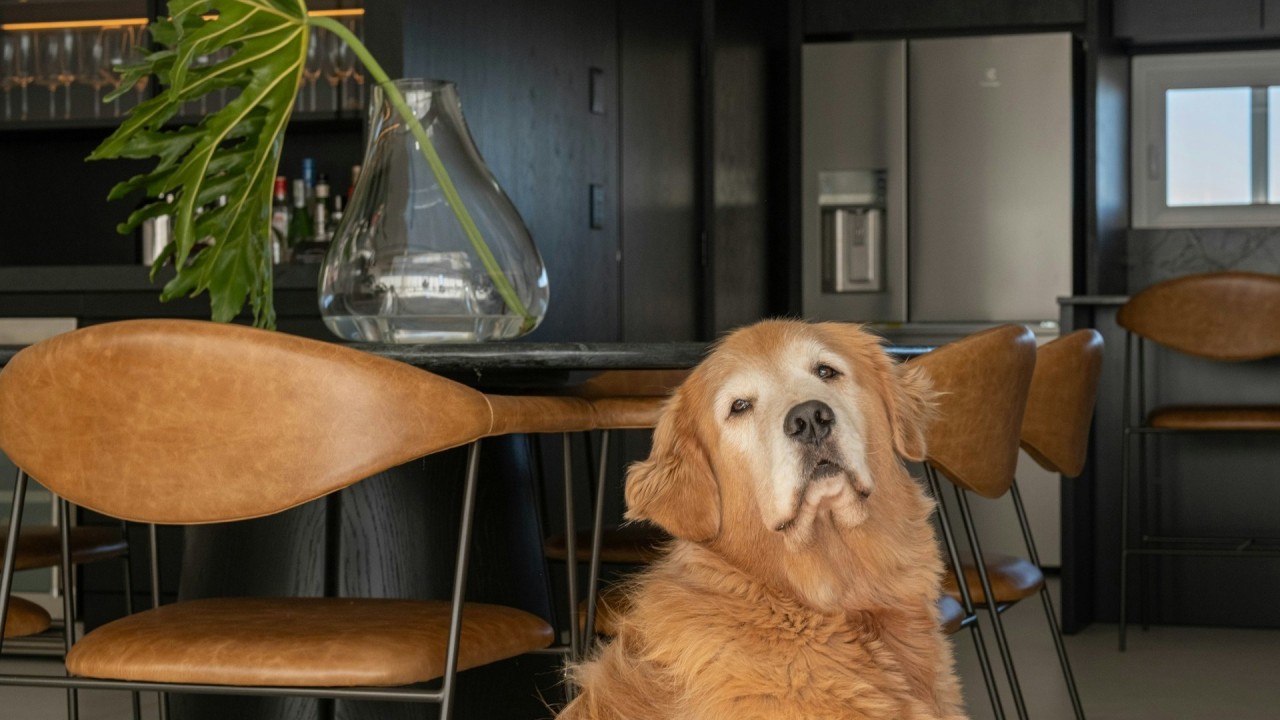
Life with a puppy is joyful, chaotic, and wonderfully unpredictable. Tiny paws patter across the floor, toys migrate from room to room, and before long, the home feels shared in a whole new way. I wanted my space to reflect that warmth without turning into a playground explosion of plastic bones and stained fabrics. A stylish home and a dog-friendly home do not have to live at opposite ends of the design spectrum.
Inviting a puppy into my space forced me to rethink how I defined beauty and function. Clean lines and neutral palettes still mattered, but durability and comfort suddenly rose to the top of my priorities. I began to see design as something flexible rather than fragile. Instead of sacrificing style, I refined it.
In this article, I’ll walk through the design decisions that helped me create a home that feels elevated and intentional, while still welcoming muddy paws and wagging tails. Each room became an opportunity to blend thoughtful aesthetics with practical solutions. Over time, the balance felt natural rather than forced.
Rethinking Materials For Real Life
My first major shift involved materials. A plush white velvet sofa might look stunning in a showroom, but it tells a different story once a puppy discovers it as the perfect launch pad. I swapped delicate fabrics for performance textiles that resist stains and are easy to wipe clean. The texture still feels soft and luxurious, but it can withstand the occasional accident or muddy paw print.
Leather also became an unexpected favorite. It develops character over time, and minor scratches blend into a lived-in patina instead of looking like damage. I gravitated toward mid-tone browns and warm caramels because they hide wear far better than stark white or deep black. The result feels intentional and sophisticated rather than defensive.
Flooring required similar thought. Thick wall-to-wall carpeting trapped fur and odors, so I leaned into hardwood and high-quality laminate. Area rugs made from wool blends or indoor-outdoor fibers added softness underfoot while remaining easy to clean. I avoided overly delicate weaves and instead opted for subtle patterns that camouflage the inevitable mess.
Furniture Placement With Purpose
Puppies have a talent for turning open spaces into racetracks. I rearranged my furniture to create natural pathways that allow zoomies without constant collisions. Instead of placing fragile decor in high-traffic zones, I reserved those spots for sturdy pieces that can handle a little enthusiasm.
Low coffee tables with sharp edges made me nervous, so I replaced them with rounded designs. The change softened the room visually while also reducing the risk of bumps and bruises. Side tables and consoles with solid bases proved more stable than spindly-legged alternatives.
I also paid attention to sightlines. Dogs feel calmer when they can see what’s happening around them, and I noticed my puppy gravitated toward spaces where she had a clear view of doors and windows. Arranging seating to accommodate that instinct created a subtle sense of harmony in the room. The layout felt welcoming for both of us.
Stylish Storage For Toys And Supplies
Dog toys multiply faster than I ever expected. Rather than letting them scatter across the floor, I incorporated attractive storage solutions that blend seamlessly into the decor. Woven baskets, wooden crates, and fabric bins became part of the design language rather than an afterthought.
I selected containers that matched my color palette so they felt cohesive. Neutral tones and natural materials like rattan and linen keep the look elevated. Placing a basket in each main living area made it easy to tidy up quickly without breaking the aesthetic flow.
Leashes, grooming tools, and treats also needed a designated home. A small drawer near the entryway keeps daily essentials within reach but out of sight. Hooks mounted at a comfortable height hold collars and harnesses neatly, turning practical items into a subtle display instead of clutter.
Elevated Dog Beds That Blend In
A bulky dog bed in the middle of a carefully styled room can feel jarring. I searched for options that mirrored the look of high-end furniture rather than cartoonish pet accessories. Neutral fabrics, structured frames, and clean silhouettes made all the difference.
Placing the bed in a cozy corner near natural light created a peaceful retreat for my puppy. I layered a soft throw that matches the room’s palette, which makes the bed feel intentional. Guests often assume it’s a chic floor cushion until they see a sleepy pup curled up inside it.
For smaller spaces, built-in solutions can be transformative. A bench with a cutout nook underneath doubles as seating and a sleeping area. This approach saves space while maintaining a polished appearance.
Durable Decor That Still Feels Personal
Decorating with a puppy in mind does not mean stripping the home of personality. It simply means editing with care. I moved fragile heirlooms and delicate ceramics to higher shelves where curious noses cannot reach them.
Wall art became a focal point instead of tabletop accessories. Framed prints, canvases, and wall-mounted shelves draw the eye upward and free surfaces from breakable items. This shift actually made my rooms feel more curated and intentional.
Plants required thoughtful placement as well. Some varieties are not safe for dogs, so I researched pet-friendly options and placed them in sturdy pots. Elevated plant stands keep greenery accessible to the eye but out of reach for chewing.
Creating A Dog-Welcoming Entryway
The entryway often absorbs the brunt of outdoor adventures. Mud, rain, and stray leaves follow us inside after every walk. I redesigned this area with durability and order in mind.
A washable runner catches dirt before it spreads throughout the house. Beneath a slim console table, I added baskets for towels and paw wipes. Having these essentials ready at the door prevents messes from traveling further inside.
I also incorporated a small bench for wiping paws comfortably. The bench doubles as a stylish seating element for guests, proving that practical features can enhance rather than detract from the look of a space.
Pet-Friendly Fabrics And Textiles
Textiles set the tone of a room, so I chose them carefully. Tightly woven fabrics resist snagging from playful claws. Slipcovers became my quiet secret weapon because they can be removed and washed without stress.
Throw pillows add color and texture, but I limited their number to avoid constant fluffing and rearranging. Selecting patterns instead of solid light colors helps disguise fur between cleanings. Layered textures like knits and woven cotton add depth without feeling overly delicate.
Curtains were another consideration. Long drapes that pool dramatically on the floor look romantic, but they invite tugging and chewing. I opted for tailored panels that skim just above the floor, maintaining elegance without temptation.
Designing A Safe Yet Chic Kitchen
The kitchen is a magnet for curious puppies. I ensured that trash bins are sealed and tucked away inside cabinets. Open shelving remains minimal to avoid the risk of items being knocked down.
Food and water bowls can be surprisingly disruptive to a design scheme. I selected ceramic bowls in muted tones that complement my cabinetry. Placing them on a small mat that echoes the kitchen’s color palette makes the setup feel cohesive rather than random.
I also designated a specific feeding area. Consistency helps my puppy feel secure, and visually it keeps the kitchen organized. The area feels integrated instead of improvised.
Outdoor Spaces That Feel Like An Extension Of The Home
If a yard or balcony is available, it deserves the same design attention as the interior. I invested in durable outdoor furniture that can withstand playful energy. Weather-resistant cushions in neutral tones maintain a sophisticated vibe.
Defined zones help structure the space. A patch of grass or artificial turf provides a designated play area, while a seating section offers relaxation for humans. The visual separation keeps the space feeling intentional rather than chaotic.
Outdoor lighting adds ambiance and safety. Soft string lights or lanterns create a warm atmosphere for evening time outside. The area becomes a shared retreat rather than just a functional dog run.
Managing Odors And Cleanliness Gracefully
Cleanliness plays a major role in maintaining a stylish home with a dog. I rely on subtle solutions rather than overpowering fragrances. Regular vacuuming with a high-quality vacuum designed for pet hair keeps floors and upholstery looking fresh.
Air purifiers blend into the background while quietly improving indoor air quality. I select models with minimalist designs so they do not clash with my decor. Scented candles in pet-safe formulas add warmth without overwhelming the senses.
Laundry routines became more consistent. Washing dog blankets and bed covers regularly prevents lingering odors. These small habits protect the aesthetic I worked so carefully to build.
Incorporating Personal Style Into Pet Areas
Dog-friendly design does not require a separate aesthetic language. I carried my existing color palette into my puppy’s accessories. Leashes, collars, and even storage containers reflect the tones already present in my home.
Custom name tags and thoughtfully selected bowls add personality without veering into novelty territory. The key lies in editing and cohesion. By treating pet items as part of the overall design plan, they blend seamlessly.
Photographs of my puppy found their place in subtle frames. These touches celebrate her presence while maintaining the curated feel of the room. The space feels lived in, not overrun.
Finding Balance Between Beauty And Function
Striking the right balance took experimentation. Some pieces looked beautiful but proved impractical, and I learned to let them go without regret. Other items surprised me by offering both durability and elegance.
Over time, I stopped viewing my puppy as a design obstacle. She became part of the rhythm of the home. Scratches and scuffs turned into reminders of playful afternoons rather than flaws.
A stylish home does not have to be pristine to feel complete. It simply needs to reflect the life unfolding inside it. By selecting durable materials, arranging furniture thoughtfully, and integrating pet essentials into the overall aesthetic, I built a space that honors both form and function.
Living with a puppy reshaped my perspective on design. It encouraged flexibility, creativity, and a deeper appreciation for comfort. My home still feels polished and intentional, but it also feels alive.
That blend of style and warmth is what truly defines a dog-friendly home.
