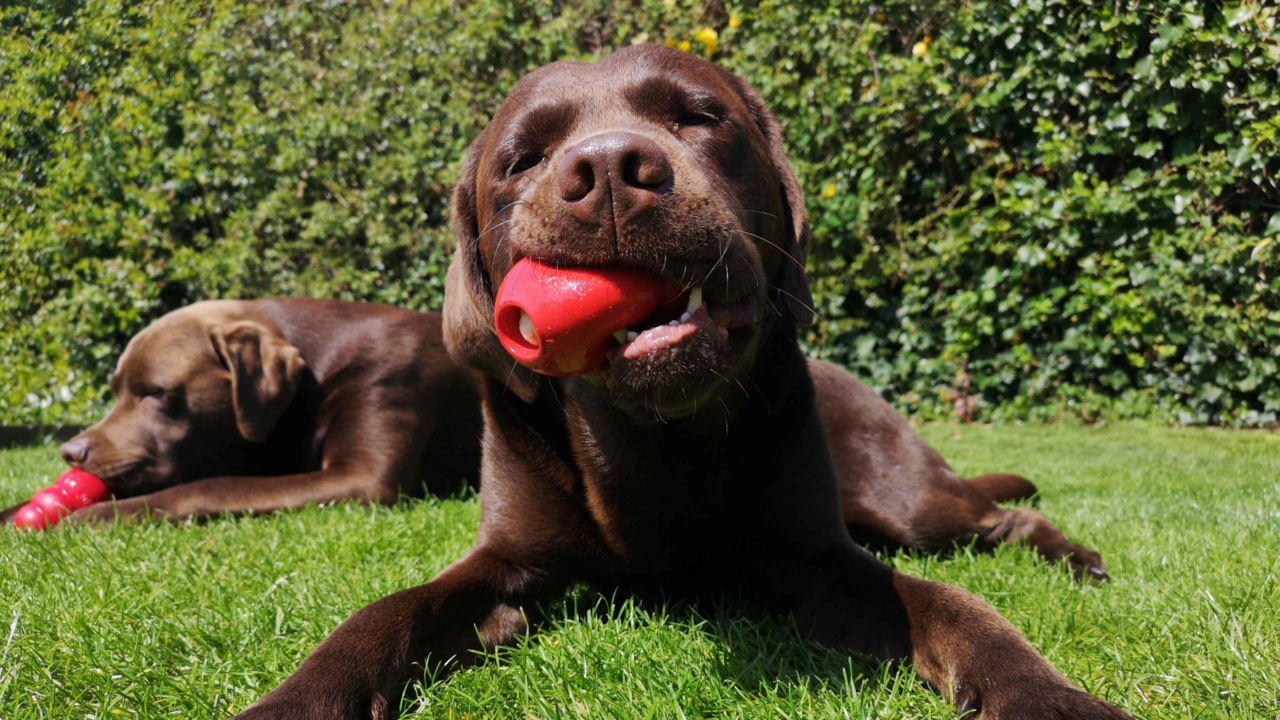
A happy dog does not happen by accident. It grows out of small, steady habits that shape each day into something safe, stimulating, and deeply comforting. I have seen how dramatically a thoughtful routine can transform a restless puppy into a calm companion and a bored adult dog into a content, confident friend. Dogs thrive on predictability, and once I leaned into that truth, life with my dog felt lighter, smoother, and far more joyful.
Routines are not about strict schedules or military precision. They are about rhythm. Dogs feel secure when they know what happens next, and that security allows them to relax instead of constantly scanning their environment for clues. Over time, I realized that my dog’s behavior was less about stubbornness and more about clarity. The clearer the structure of the day, the more balanced his mood became.
Building a routine your dog will love means paying attention to their natural energy patterns, instincts, and personality. It means observing what excites them, what calms them, and what leaves them overwhelmed. A good routine feels like a partnership rather than a set of rules, and it evolves as your dog grows.
Start The Morning With Purpose
Morning sets the emotional tone for the entire day. I found that rushing through the first hour created tension that lingered long after breakfast. Instead, I began waking up a little earlier so we could ease into the day without chaos. That simple shift changed everything.
A quick potty break right after waking up is essential, especially for puppies. Dogs wake up ready to relieve themselves, and meeting that need promptly prevents accidents and frustration. After that, I like to incorporate a short walk or light play session to burn off that burst of morning energy. Even ten to fifteen minutes can make a noticeable difference.
Morning walks are not just for physical exercise. They give dogs a chance to sniff, explore, and mentally engage with the world. Sniffing is deeply satisfying for them because it activates their brain in ways we often overlook. I allow my dog to pause and investigate interesting scents instead of dragging him along. That small act of patience builds trust and fulfillment.
Feed On A Consistent Schedule
Food anchors a dog’s day more than many people realize. Feeding at the same times each day creates a predictable rhythm that supports digestion and emotional stability. Once I committed to consistent meal times, I noticed fewer stomach issues and less begging between meals.
Portion control also plays a role in maintaining steady energy levels. Overfeeding can make a dog sluggish, while underfeeding leaves them irritable and restless. I measure meals carefully and adjust based on activity level, age, and weight. Puppies require more frequent meals, while adult dogs often do well with two balanced feedings per day.
Mealtime can also double as enrichment time. Instead of always placing food in a bowl, I sometimes use puzzle feeders or scatter kibble in the yard for a mini scavenger hunt. This taps into natural foraging instincts and turns a basic necessity into a mentally engaging activity. The result is a dog who finishes meals satisfied rather than overstimulated.
Balance Physical Exercise And Mental Stimulation
Physical activity is only one piece of the puzzle. A long walk might tire a dog’s body, but mental stimulation tires the brain in a deeper, more lasting way. I learned this after realizing that my dog could run for an hour and still bounce off the walls if his mind had not been challenged.
Short training sessions woven throughout the day make a huge impact. Five to ten minutes of practicing commands, working on new tricks, or reinforcing good manners keeps a dog mentally sharp. I keep these sessions upbeat and end on a positive note so he associates training with fun rather than pressure.
Interactive toys, scent games, and hide-and-seek are also powerful tools. Sometimes I hide treats around the house and let him search for them. Other days, I rotate toys so he does not get bored with the same options. Variety keeps things interesting while maintaining the overall structure of the day.
Schedule Quiet Time And Rest
Rest is often overlooked, especially with energetic puppies. Dogs need far more sleep than most people expect, sometimes up to sixteen hours a day depending on age. I used to interpret hyper behavior as a need for more exercise, but it often signaled overtiredness.
Designating quiet periods throughout the day helps regulate energy. After a walk or play session, I guide my dog to his bed or crate for downtime. Soft music or a calm environment signals that it is time to settle. Over time, he began putting himself down for naps without prompting.
Crate training, when done positively, can support healthy rest habits. The crate becomes a safe den rather than a punishment space. I always pair it with comfort items and never use it as a consequence for bad behavior. That distinction builds trust and makes rest feel safe.
Build In Social Interaction
Dogs are social creatures who crave connection. Social time does not always mean dog parks or large gatherings. It can be as simple as structured play with me or calm interaction with familiar people.
Some dogs thrive in busy environments, while others prefer smaller, controlled settings. I paid attention to my dog’s body language during social encounters. If he seemed overwhelmed, I shortened the experience and gradually built up his comfort level over time.
Quality matters more than quantity. A short, positive interaction leaves a better impression than a long, stressful one. By tailoring social experiences to his personality, I helped him build confidence rather than fear.
Create Predictable Evening Wind-Down Rituals
Evenings offer an opportunity to shift into calm mode. I used to let play continue right up until bedtime, which often led to difficulty settling down. Now, I gradually lower the intensity of activities as the night approaches.
A final walk, even if brief, allows my dog to relieve himself and decompress before bed. After that, we transition into quieter activities such as gentle play or cuddling. Lights dim slightly, and the house becomes calmer overall.
Dogs respond strongly to these cues. Over time, he learned that certain signals meant bedtime was approaching. That predictability made nighttime smoother and reduced restlessness.
Adapt The Routine As Your Dog Grows
Puppies, adolescents, and adult dogs all have different needs. What worked at four months did not necessarily work at one year. I found that flexibility within structure is key.
During growth spurts, energy levels fluctuated. Some weeks required extra play sessions, while others called for more rest. Rather than forcing the old routine to fit, I adjusted while maintaining the core rhythm of wake, exercise, eat, train, rest, and connect.
Senior dogs eventually require gentler routines with shorter walks and more frequent bathroom breaks. Paying attention to subtle changes in stamina or mood helps prevent discomfort and frustration. A loving routine evolves alongside the dog it serves.
Watch For Signs Of Stress Or Boredom
Even the best routine can miss the mark if it does not match a dog’s temperament. Signs of stress include pacing, excessive barking, destructive chewing, or withdrawal. I have learned to treat these behaviors as communication rather than defiance.
Boredom often shows up as mischief. If my dog begins chewing things he normally ignores, I evaluate whether he needs more mental stimulation. Small adjustments, such as adding a training session or introducing a new toy, often resolve the issue quickly.
Routine should feel supportive, not restrictive. If something consistently causes friction, I step back and reassess. That willingness to adapt strengthens our bond and prevents resentment on either side.
Make Room For Joy And Spontaneity
Structure provides security, but joy comes from shared experiences. I sometimes surprise my dog with a new walking route or an extra-long sniff session in the park. Those small deviations from the usual schedule add excitement without disrupting stability.
Spontaneity works best when the foundation is solid. Because he knows what to expect most days, occasional surprises feel like bonuses rather than stressors. His tail wagging a little harder on those days reminds me why the effort is worthwhile.
Routine should enhance life, not box it in. A balanced day includes moments of silliness, affection, and connection. Those moments often become the memories I treasure most.
The Long-Term Benefits Of A Thoughtful Routine
Consistency builds trust. When my dog can predict how his day unfolds, he relaxes into it. That calm confidence spills over into better behavior, stronger training results, and a deeper bond between us.
I have watched nervous puppies transform into steady companions simply because their world felt predictable. Anxiety decreases when expectations are clear. Dogs who know when they will eat, play, and rest do not have to guess or compete for attention.
The time invested in building a routine pays off in fewer behavioral problems and a more harmonious household. Instead of constantly reacting to chaos, I feel like we move through each day as a team. That sense of partnership is what every dog owner hopes for.
Building a daily routine your dog will love is not about perfection. It is about presence. By paying attention, staying consistent, and allowing space for growth, I created a rhythm that supports both of us. The result is a dog who greets each day with excitement and ends it feeling secure, and that is the kind of routine worth building.
