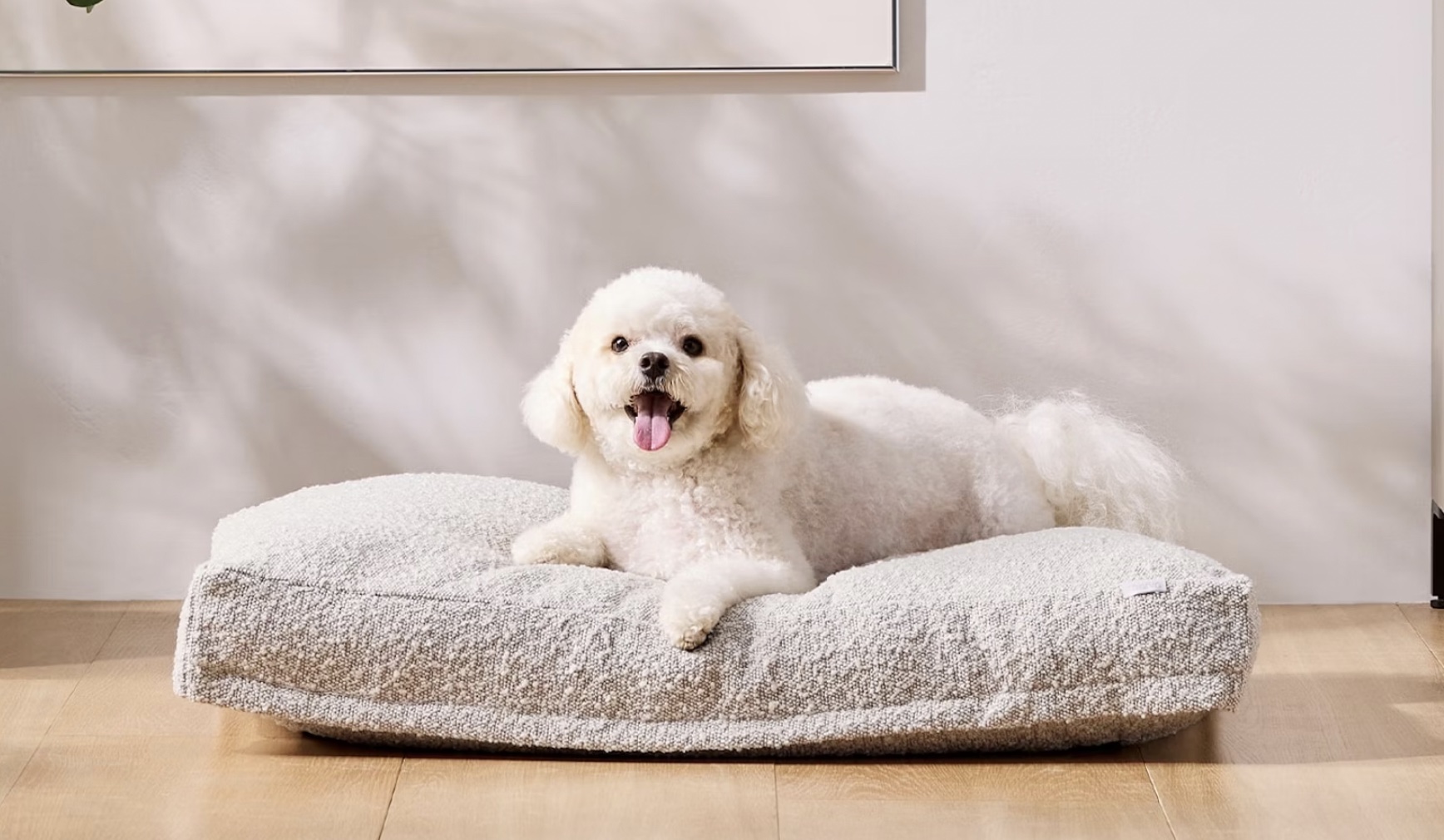
A good dog bed changes everything in a home with puppies. I have watched the difference it makes when a pup finally has a spot that feels safe, soft, and entirely their own. Rest improves, moods settle, and even training seems smoother because a well-rested dog is far more cooperative than one pacing around without a comfortable place to land.
Different breeds carry different needs in their bones, joints, and temperaments. Tiny toy breeds crave warmth and security, while giant breeds need serious support for growing frames. High-energy working dogs may prefer something durable and breathable, while anxious pups gravitate toward beds that feel like a hug. Matching the bed to the breed is not about aesthetics; it is about health, comfort, and long-term well-being.
Over the years, I have tried plush cushions that flattened within months and sturdy orthopedic beds that held their shape beautifully. Each dog taught me something new about what truly matters. What follows is a detailed guide based on experience, observation, and plenty of trial and error with puppies of all shapes and personalities.
Orthopedic Beds for Large And Giant Breeds
Large and giant breeds such as Great Danes, Mastiffs, and Saint Bernards carry significant weight on their joints, even as puppies. Their rapid growth places pressure on hips and elbows, which means support is not optional. A thick orthopedic bed made with high-density or memory foam helps distribute weight evenly and reduces strain on developing bones.
I always look for beds at least four inches thick for these breeds, sometimes more depending on size. The foam should bounce back quickly when pressed, rather than staying compressed. A waterproof inner liner is also important because accidents happen, especially during the early months.
Raised edges can add comfort, but the primary focus should be the base. I have seen giant breed puppies ignore decorative beds and choose the firmest, flattest cushion in the house because it supports them properly. Investing in quality here often saves money later on vet bills and replacements.
Donut And Bolster Beds for Small Breeds
Small breeds like Chihuahuas, Pomeranians, and Yorkies tend to seek warmth and security. Their tiny bodies lose heat quickly, and they often love curling into tight little balls. Donut beds with raised bolsters around the edge create a cozy nest that feels protective.
I have noticed that small puppies relax faster when they can press their backs against something soft. The circular shape encourages that natural curling instinct. Faux fur materials can add extra warmth, which is perfect during colder months.
The key is ensuring the center cushion does not collapse too easily. Even small dogs benefit from proper support, especially as they age. Removable, washable covers are a lifesaver since little breeds can be prone to occasional accidents or messy play sessions.
Cooling Beds for Double-Coated And Northern Breeds
Breeds like Huskies, Malamutes, and Samoyeds are built for cold climates. Thick double coats make them prone to overheating in warmer environments. In these cases, a cooling bed or elevated cot can make a dramatic difference.
Cooling gel inserts or breathable mesh fabrics help regulate body temperature. I once introduced a raised mesh cot to a Husky puppy who had been constantly moving from tile to tile in search of a cool surface. Within minutes, he stretched out and sighed in relief.
Air circulation underneath the bed keeps heat from building up. These options are especially helpful in summer or in homes without strong air conditioning. Comfort is not just about softness; sometimes it is about preventing overheating and discomfort.
Crate Mats for Training Puppies
Crate training is part of many puppy routines, and the bed inside the crate matters more than people think. A simple, well-fitted crate mat provides comfort without excessive bulk. The mat should lie flat and not bunch up, reducing the temptation to chew or dig.
I prefer durable, chew-resistant fabrics for young puppies who are still exploring the world with their teeth. Padding should be supportive but not overly plush, as too much fluff can encourage destructive behavior. A snug fit inside the crate also prevents sliding.
The crate should feel like a safe den, and the bed plays a central role in that. Puppies who feel secure in their crate often settle more quickly at night. That peaceful rest carries into daytime behavior and overall confidence.
Durable Beds for Active Working Breeds
Working breeds such as Border Collies, Australian Shepherds, and Belgian Malinois bring high energy into any home. They dig, scratch, and sometimes flop down after intense play sessions. Their beds need to withstand that enthusiasm.
Heavy-duty canvas or ripstop fabrics hold up better against wear and tear. I have found that reinforced seams and double stitching make a noticeable difference over time. These dogs may not need thick bolsters, but they do benefit from strong, resilient padding.
Placing the bed in a quieter corner helps them switch from work mode to rest mode. After long training sessions, a sturdy bed becomes their recovery zone. Durability paired with comfort ensures the bed remains inviting instead of becoming a shredded project.
Calming Beds for Anxious Or Sensitive Breeds
Some puppies are more sensitive by nature. Breeds like Cavalier King Charles Spaniels, Shih Tzus, and even some rescue mixes can struggle with separation or environmental stress. Calming beds designed with plush materials and high walls can ease anxiety.
The deep, enveloping shape mimics the feeling of being surrounded. I have seen nervous puppies visibly relax as they burrow into soft sides. The gentle pressure against their bodies seems to soothe them during storms or busy household moments.
Placement matters here as well. Positioning the bed in a quiet area away from heavy foot traffic reinforces its role as a sanctuary. Consistency helps build trust, and over time, that bed becomes a reliable retreat.
Waterproof And Easy-To-Clean Beds for Puppies
Puppies are adorable, but they are also messy. Potty training accidents, drool, muddy paws, and occasional chewing mishaps are part of the journey. Beds with removable, machine-washable covers and waterproof liners make life much easier.
I always check whether the zipper is sturdy and discreet, so puppies cannot easily chew on it. A bed that is simple to clean encourages regular washing, which keeps odors under control and promotes a healthier environment. Hygiene is as important as softness.
Choosing darker colors or patterns can also help conceal minor stains between washes. Practical features often outweigh decorative appeal during the puppy stage. Cleanliness contributes directly to your puppy’s comfort and health.
Raised Beds for Outdoor Or Multipurpose Use
Raised beds are not just for cooling; they are excellent for outdoor spaces as well. These beds keep puppies off damp grass, dirt, or hot concrete. The elevated design reduces exposure to insects and moisture.
I have used raised beds on patios and in backyards during supervised playtime. Puppies seem to appreciate having a designated resting spot even outside. The sturdy frame also discourages digging underneath, which can happen with traditional cushion beds.
Materials should be weather-resistant and easy to wipe down. While these beds may not replace indoor plush options, they provide flexibility for active households. A clean, elevated surface can extend your puppy’s comfort beyond the living room.
Memory Foam Beds for Aging Puppies And Large Breeds
Some breeds age faster than others, especially large and giant dogs. While puppies are full of energy, certain breeds are predisposed to joint issues. Memory foam beds offer long-term support that adapts to the dog’s body.
I appreciate how memory foam molds gently without losing shape. It cushions pressure points and supports natural alignment. This can be particularly beneficial for breeds prone to hip dysplasia or arthritis later in life.
Even young puppies benefit from quality support during growth spurts. A good memory foam bed can transition with them from playful pup to dignified adult. Longevity makes it a worthwhile investment.
Travel Beds for On-The-Go Families
Families who travel frequently with their puppies should consider portable beds. Lightweight, foldable options create familiarity in new environments. That familiar scent and texture can ease anxiety during trips.
I always bring a travel bed when visiting friends or staying in hotels. It signals to the puppy that this is their space, even in an unfamiliar setting. The consistency helps maintain routine and comfort.
Look for beds that roll up easily and include carrying handles. Washability remains essential, especially after outdoor adventures. A portable bed ensures comfort does not get left behind.
Matching Bed Size To Breed And Growth Stage
Size is one of the most common mistakes I see with dog beds. Puppies grow quickly, and a bed that fits perfectly today may feel cramped in a few months. Measuring your puppy while stretched out provides a better sense of the right dimensions.
Beds should allow room for both curling and stretching. Restricted space can lead to awkward sleeping positions and discomfort. Planning slightly ahead for growth often prevents constant replacements.
Each breed has its own body proportions, from long Dachshunds to stocky Bulldogs. Taking those proportions into account helps avoid guesswork. A properly sized bed supports healthy sleep and overall development.
Materials And Allergies
Some puppies have sensitive skin or allergies that flare up with certain fabrics. Hypoallergenic materials and removable covers help reduce irritation. I pay close attention to how a puppy reacts after a few nights on a new bed.
Natural cotton covers can be breathable and gentle on skin. Synthetic materials may offer durability but sometimes trap heat. Balancing comfort, breathability, and resilience takes a bit of experimentation.
Regular washing also reduces allergens like dust and dander. Clean bedding supports respiratory health and keeps your home fresher. Small adjustments in materials can make a noticeable difference in comfort.
Final Thoughts On Creating A Restful Space
A dog bed is more than a cushion on the floor. It becomes a sanctuary, a recovery zone, and a place of security for your puppy. I have seen shy puppies gain confidence simply by having a reliable space that belongs entirely to them.
Selecting the right bed involves observing your dog’s habits, breed tendencies, and daily routine. Some love to sprawl on cool surfaces, while others burrow deep into plush edges. Paying attention to those patterns guides better decisions than trends ever will.
Comfort shapes behavior, health, and happiness in subtle but powerful ways. A well-rested puppy is calmer, more focused, and more resilient. Providing the right type of bed for your breed lays the foundation for years of peaceful naps and contented companionship.
