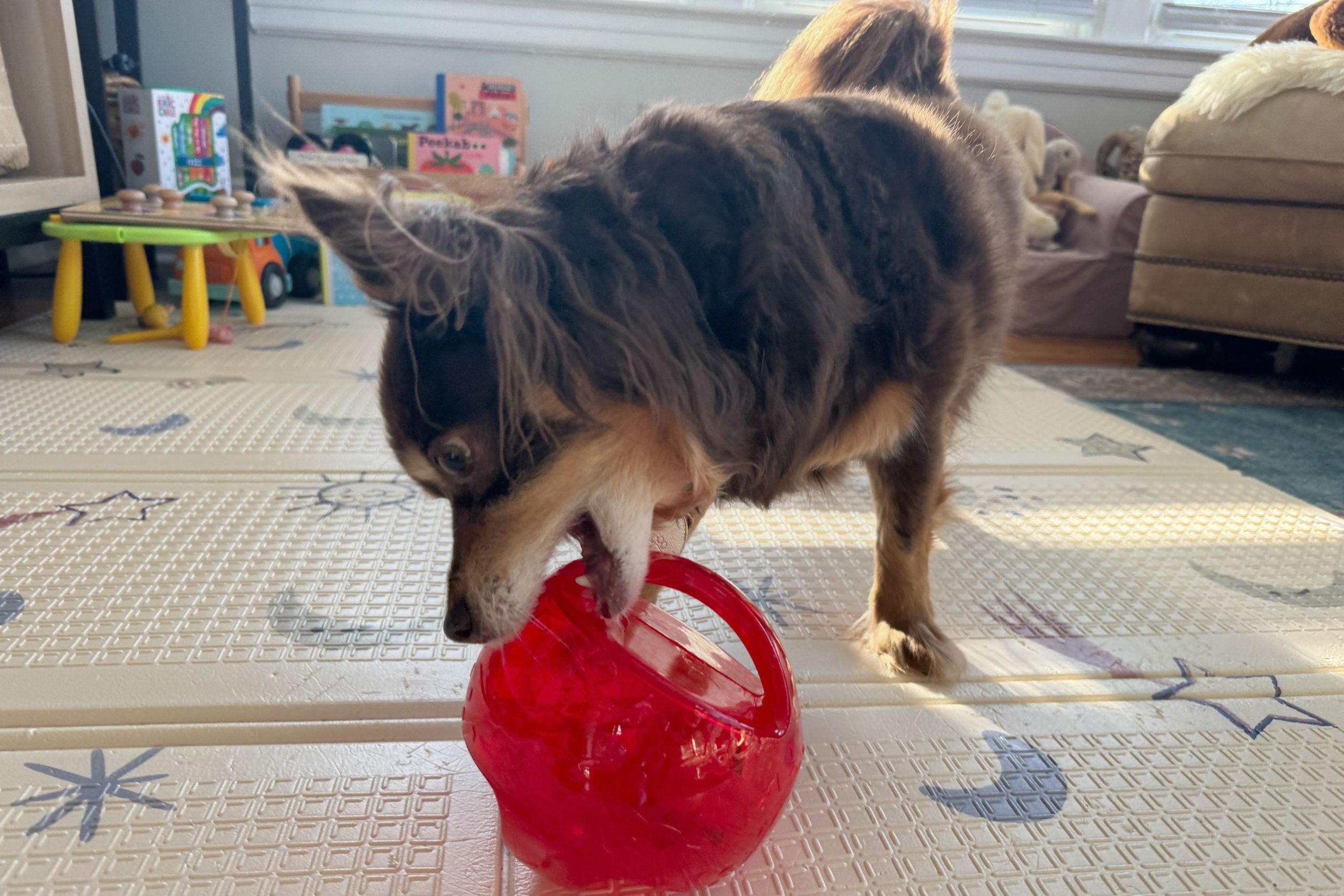
Puppies have a way of turning a quiet afternoon into a whirlwind of chewed slippers, toppled plants, and hopeful eyes staring straight into mine. I have learned that most of this chaos is not mischief at all but unused energy searching for direction. A bored puppy will invent a job, and that job often involves redecorating the house in ways I never intended. Interactive toys became my secret weapon, not just for preserving my furniture but for nurturing a happy, mentally stimulated companion.
Living with a puppy means accepting that physical exercise alone is not enough. A brisk walk or a romp in the yard may tire their legs, yet their minds can remain restless. Mental stimulation is what truly settles them, and interactive toys provide that outlet in ways that feel like play rather than training. Over time, I realized these toys are less about distraction and more about engagement, curiosity, and problem-solving.
Why Boredom Hits Puppies So Hard
Puppies explore the world primarily with their mouths and paws, and curiosity fuels almost everything they do. In the absence of structured activities, they turn to chewing, digging, and barking to fill the void. I noticed that my puppy’s most destructive moments happened on days when I was busy and offered little mental engagement. The pattern became impossible to ignore.
Young dogs are wired to investigate and experiment. Their brains are developing rapidly, and stimulation supports healthy growth just as much as proper nutrition does. Without outlets for that curiosity, frustration builds quickly. Interactive toys redirect that energy into puzzles and challenges that satisfy their instinct to explore.
Another factor that amplifies boredom is routine. Puppies thrive on predictable schedules, yet too much repetition without variation can dull their enthusiasm. Offering new challenges through toys introduces novelty without disrupting structure. That balance keeps their days interesting while still feeling secure.
The Power Of Food-Dispensing Toys
Food-dispensing toys completely changed how I handle mealtime and treat time. Instead of dropping kibble into a bowl, I began placing portions inside a toy that required effort to access. The shift transformed eating from a two-minute event into a stimulating activity that could last much longer. My puppy became calmer afterward, as if the process itself satisfied more than hunger.
One of the first tools I introduced was the KONG Classic. I would stuff it with a mixture of kibble and a bit of mashed banana or peanut butter, then freeze it to increase the challenge. Watching my puppy roll, paw, and chew at the toy with focused determination showed me how deeply engaging this simple object could be. The mental effort involved in extracting the treats worked like a puzzle that rewarded persistence.
Food-dispensing toys also encourage slower eating, which supports better digestion. Instead of gulping down meals, my puppy learned to pace himself. The extended interaction reduced post-meal zoomies and replaced them with quiet concentration. Over time, these toys became part of our daily rhythm rather than a special occasion.
Puzzle Boards That Spark Curiosity
Puzzle boards offer a different type of engagement, one rooted in strategy and memory. Sliding panels, lifting lids, and hidden compartments challenge a puppy to think before acting. I still remember the first time I placed treats under small covers and watched my puppy tentatively nudge them aside. His excitement grew with each discovery, as if he had cracked a code.
The Outward Hound Nina Ottosson Dog Brick became a favorite in our home. Its compartments require a mix of sliding and lifting, which keeps the experience varied. I noticed how my puppy began to approach the board with more confidence over time, quickly recalling where rewards were hidden. That progression demonstrated real cognitive growth.
Rotating puzzle toys prevents them from becoming too predictable. I keep a small collection and alternate them throughout the week. This simple rotation preserves novelty and maintains enthusiasm. It also gives me insight into which types of challenges my puppy prefers, allowing me to tailor activities to his strengths.
Tug Toys That Build Bond And Focus
Interactive play does not always have to be solitary. Tug toys create shared experiences that strengthen trust and communication. During tug sessions, I reinforce cues like “drop it” and “take it,” turning a spirited game into a mini training session. The structure transforms raw energy into purposeful interaction.
The West Paw Zogoflex Bumi stands out for its durability and flexibility. Its curved design makes it easy for both of us to grip comfortably. Tugging engages my puppy’s muscles while sharpening his impulse control, especially when I pause the game and ask for a command. The result is a satisfying blend of physical and mental exercise.
These sessions also help release pent-up energy that might otherwise surface as unwanted chewing. Instead of biting table legs, my puppy channels that instinct into a structured game. The shared laughter and movement deepen our connection. Tug becomes more than play; it becomes communication.
Motion-Activated Toys For Independent Play
Busy days demand solutions that keep a puppy entertained without constant supervision. Motion-activated toys provide that support by responding to touch or movement. The unpredictability of these toys captures attention and sustains interest longer than static objects. I have found them especially helpful during work-from-home hours.
The PetSafe Automatic Ball Launcher introduced an entirely new level of excitement. My puppy learned to drop the ball into the launcher, anticipating its return with eager focus. The repetitive cycle encourages independent play while reinforcing cause and effect. It feels almost like a game of fetch that does not require my continuous participation.
Supervision remains important, particularly during the introduction phase. I take time to demonstrate how the toy works and ensure my puppy feels comfortable around it. Once he understands the pattern, the toy becomes a reliable outlet for bursts of energy. That independence fosters confidence and resilience.
Snuffle Mats And Scent Work Fun
Dogs experience the world through scent, and tapping into that instinct unlocks powerful enrichment. Snuffle mats mimic the natural act of foraging by hiding treats within layers of fabric. Watching my puppy methodically sniff and search feels like observing a miniature detective at work. His focus becomes intense and joyful.
The AWOOF Snuffle Mat brought a noticeable shift in behavior. Ten minutes of sniffing often leaves my puppy more relaxed than a longer walk. The slow, deliberate search activates his brain in a deeply satisfying way. It is quiet, calming, and remarkably effective.
Scent games extend beyond mats. I sometimes hide small treats around a room and encourage my puppy to find them. This activity transforms an ordinary space into a playground of discovery. The excitement of each find reinforces positive behavior and builds confidence.
Rotating Toys To Maintain Interest
A common mistake I made early on was leaving all toys accessible at once. Over time, I noticed that my puppy seemed less excited by options that were always available. Limiting access and rotating toys every few days restored their novelty. Each reintroduced toy felt fresh again.
I keep a storage bin out of sight and swap selections weekly. This practice prevents overstimulation while preserving excitement. It also helps me observe which toys hold lasting appeal and which need replacing. The rotation system has become an easy yet powerful boredom prevention strategy.
Variety matters, but thoughtful variety matters more. Mixing chew toys, puzzles, tug options, and scent activities ensures balanced stimulation. My puppy benefits from a range of challenges rather than repetitive play. The difference in his mood and focus is clear.
Matching Toys To Personality And Energy Levels
Not all puppies respond the same way to every toy. My friend’s calm, observant pup gravitates toward puzzle boards, while my energetic companion prefers motion-based games. Paying attention to personality allows me to tailor enrichment effectively. The right match amplifies engagement.
High-energy breeds often thrive with toys that involve movement or problem-solving under time pressure. More cautious puppies may enjoy slower-paced puzzles that reward careful exploration. I observe my puppy’s body language to gauge enthusiasm and frustration. Adjusting accordingly prevents overwhelm.
Growth stages also influence preferences. What captivated my puppy at three months old may not hold the same appeal later. Staying flexible and curious keeps the enrichment plan dynamic. Adaptation ensures boredom never gains a foothold.
Safety And Supervision Matter
Durability is essential when selecting interactive toys. Puppies chew with surprising determination, and poorly constructed items can become hazards. I inspect toys regularly for wear and retire anything showing damage. This habit protects both safety and peace of mind.
Supervision during initial introductions is non-negotiable. Even the most well-designed toy requires guidance at first. Demonstrating proper use sets clear expectations and prevents misuse. Gradually, I step back as my puppy gains confidence.
Cleaning toys routinely supports hygiene and longevity. Food-based toys especially need thorough washing to prevent bacterial buildup. Maintaining cleanliness ensures each play session remains safe and enjoyable. Small precautions make a significant difference over time.
The Emotional Benefits Of Engaged Play
Interactive toys do more than pass time; they shape emotional resilience. I have seen how focused play reduces anxiety during storms or unfamiliar situations. The act of solving a puzzle or chasing a moving target builds confidence. Success in small challenges translates into broader self-assurance.
Shared interactive play strengthens trust between us. Moments of eye contact during tug or praise after puzzle completion create bonds that feel deeply rewarding. These interactions nurture cooperation rather than confrontation. The result is a puppy who feels understood and supported.
A mentally stimulated puppy rests more peacefully. Evenings have become calmer since incorporating interactive toys consistently. Instead of restless pacing, I often see contented stretching followed by a long nap. That tranquility reflects a mind that feels satisfied.
Building A Routine Around Enrichment
Structure brings out the best in interactive play. I schedule puzzle time in the morning, scent work in the afternoon, and shared games in the evening. This rhythm prevents boredom while maintaining predictability. My puppy anticipates each activity with visible excitement.
Consistency also reinforces positive habits. Rather than reacting to destructive behavior, I proactively provide engagement. That shift in approach transforms our home environment. Energy is directed constructively instead of corrected afterward.
Flexibility remains important because life is rarely perfectly scheduled. Some days call for shorter sessions, while others allow extended play. Even brief interactive moments can reset a restless mood. What matters most is intentional engagement.
A Home Filled With Purposeful Play
Interactive toys have reshaped how I view puppy care. They are not indulgences or conveniences but essential tools for mental and emotional health. Through puzzles, scent games, tug sessions, and motion-based devices, my puppy channels energy productively. The house feels calmer, and our bond feels stronger.
Boredom no longer dictates our days. Instead, curiosity leads the way, guided by thoughtfully selected interactive challenges. Each toy represents an opportunity for growth, confidence, and connection. That transformation makes every effort worthwhile, turning ordinary moments into meaningful experiences of shared discovery.
