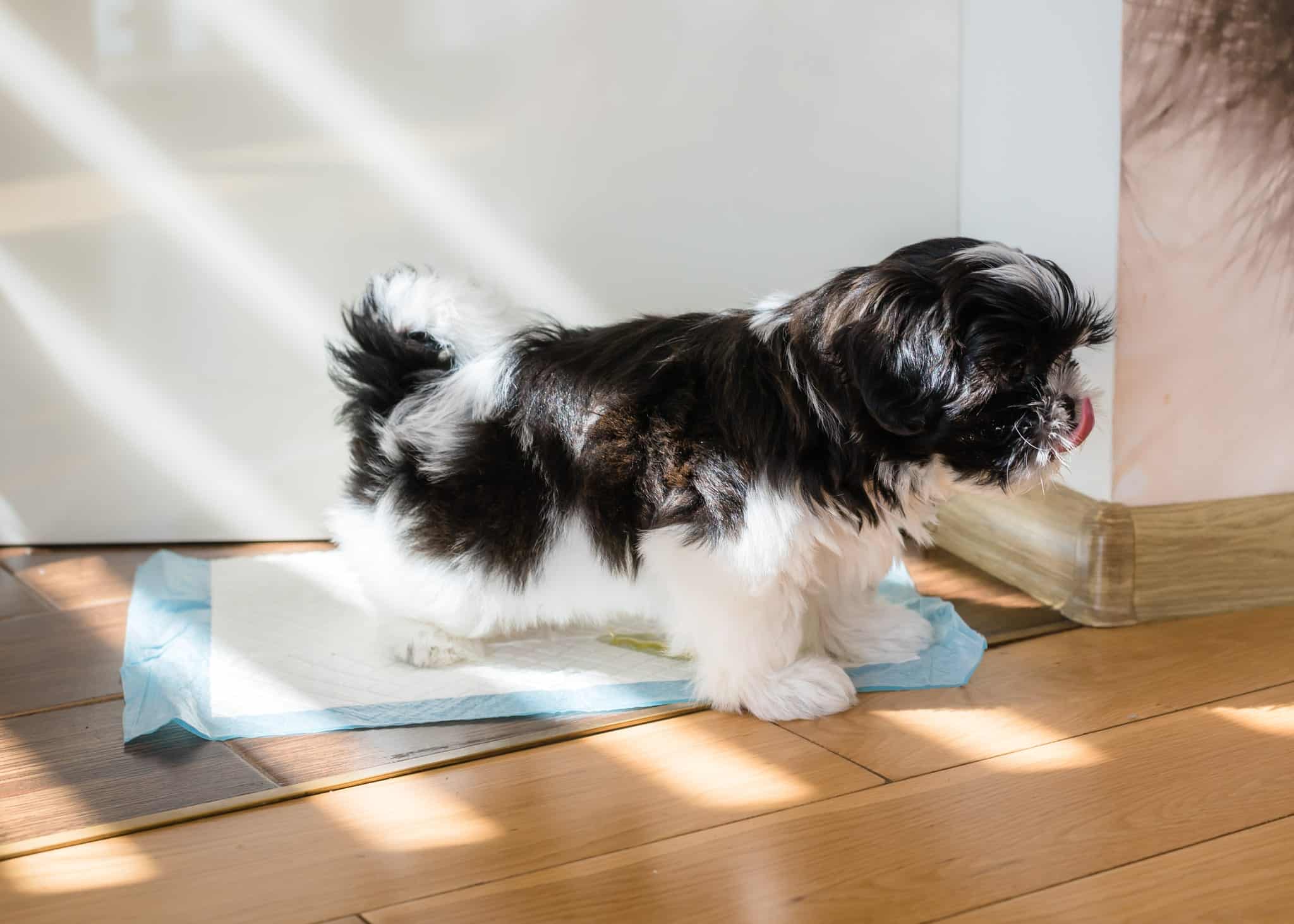
A stubborn puppy can test patience in ways I never expected. One minute they are melting into my lap with sleepy eyes, and the next they are staring straight at me while squatting on the rug I just cleaned. Potty training sounds simple in theory, but in practice it often feels like a daily negotiation between instincts, habits, and my own consistency. Over time, I realized that what looks like stubbornness is usually confusion, inconsistency, or too much freedom too soon.
Potty training is not about dominance or forcing compliance. It is about clarity, structure, and timing. Puppies thrive on patterns, and once I embraced that truth, everything shifted. The real secrets are less about tricks and more about mindset, observation, and follow-through.
Why Stubborn Puppies Are Not Actually Stubborn
Labeling a puppy as stubborn made me feel justified in my frustration, but it never solved the problem. Puppies do not wake up plotting how to defy house rules. They simply repeat behaviors that bring comfort or relief. If they relieve themselves indoors and nothing meaningful interrupts that pattern, they assume it is acceptable.
Most so-called stubborn puppies are either distracted, overstimulated, or not fully aware of where the bathroom is supposed to be. A young puppy has limited bladder control and almost no concept of household expectations. Expecting them to generalize too quickly only sets both of us up for disappointment.
Once I stopped seeing resistance and started seeing incomplete communication, my tone changed. I became more observant instead of reactive. That subtle shift improved our progress faster than any training gadget ever did.
Set A Routine That Feels Predictable
Puppies thrive on repetition. Feeding times, play sessions, naps, and potty breaks all work together like gears in a clock. If one part moves randomly, the whole system becomes unreliable.
I feed my puppy at the same times each day, which makes bathroom timing far easier to predict. After meals, I take them out within ten to fifteen minutes. After naps, play sessions, or bursts of excitement, I head straight outside again. The more consistent the pattern, the fewer surprises appear on the carpet.
Late-night accidents often happen because the schedule is too loose. I adjust water access in the evening and make sure the last potty break is calm and unhurried. Predictability reduces confusion, and confusion is the root of most “stubborn” behavior.
Supervision Is Non-Negotiable
Freedom too early is the fastest way to derail potty training. Puppies explore with curiosity, and if I am not watching, they will quietly slip behind a couch and handle their business. Supervision does not mean hovering anxiously, but it does mean being present and attentive.
If I cannot watch my puppy closely, I use a crate or a small gated area. Dogs naturally avoid soiling their sleeping space, which makes the crate a powerful training tool when used correctly. The key is ensuring the crate is sized properly so they cannot eliminate in one corner and sleep in another.
Tethering with a lightweight leash indoors has also helped me. It keeps my puppy within sight and makes it easier to notice early signs like circling or sniffing intensely. Prevention is always easier than cleaning up after the fact.
Read The Signals Before It Is Too Late
Puppies rarely give long warnings before they need to go. The signs can be subtle, especially during play. A sudden pause, wandering away from a toy, or sniffing a specific patch of floor are often early indicators.
At first, I missed these signals because I expected something obvious. Over time, I trained myself to watch for patterns instead of dramatic cues. My puppy tends to circle twice before squatting, which gives me just enough time to scoop them up and head outside.
Interruptions should be calm but immediate. A gentle clap or quick “outside” redirects attention without creating fear. The goal is not to startle them harshly but to connect the dots between urge and appropriate location.
The Power Of Immediate Rewards
Timing is everything. If I praise my puppy even thirty seconds after they finish outside, the connection weakens. I reward immediately, right at the spot, so the association is crystal clear.
Treats work well in the early stages because they create strong motivation. I carry small, high-value rewards specifically for potty success. My voice also becomes animated and warm so the emotional payoff matches the treat.
Over time, I gradually reduce food rewards and rely more on praise and routine. The key is building a clear message: outside equals positive outcome. Consistency transforms that message into habit.
Managing Accidents Without Drama
Accidents are part of the process. Reacting with anger or rubbing a puppy’s nose in a mess only damages trust and creates anxiety. Anxiety can actually increase accidents because a stressed puppy may hide to relieve themselves.
If I catch the accident mid-action, I calmly interrupt and move them outside. If I find it afterward, I clean thoroughly without commentary. Enzyme-based cleaners are essential because lingering scent invites repeat performances.
Staying neutral during mistakes keeps the training environment safe. Puppies learn best when they feel secure, not intimidated. My job is to guide, not to shame.
Crate Training As A Strategic Tool
A crate is not punishment. It is a structured resting space that supports potty training when used properly. I introduce the crate gradually, pairing it with treats and comfort so it feels inviting.
Short crate sessions after active play often align with natural rest cycles. When my puppy wakes up, I take them straight outside before any indoor wandering begins. This simple sequence reduces accidents significantly.
The crate also teaches bladder control in small increments. Puppies naturally resist soiling their sleeping space, which strengthens their ability to hold it for slightly longer periods. That gradual progress builds reliability over weeks.
Outdoor Environment Matters
Not all outdoor potty spots are equal. Too much distraction can derail focus, especially with energetic puppies. If the yard feels like a playground, potty needs may be forgotten.
I designate one specific area for bathroom breaks. We go there on leash, stand calmly, and limit play until the job is done. Once success happens, I praise and then allow a short play session as an added reward.
Weather can also influence behavior. Rain or cold may cause hesitation. In those moments, patience is crucial. I stay outside long enough to give them a fair chance, resisting the urge to go back in too quickly.
Dealing With Regression
Regression can feel discouraging. A puppy that seemed fully trained may suddenly have accidents again. Growth spurts, schedule changes, stress, or excitement often trigger setbacks.
Instead of panicking, I return to basics. I tighten supervision, reinforce the routine, and increase reward frequency. Usually, progress resumes quickly once structure returns.
Major life changes like moving homes or adding new pets can also disrupt habits. Puppies rely on environmental cues, so shifts in surroundings may require retraining in the new space. Patience during these phases prevents long-term confusion.
Nighttime Strategies That Actually Work
Night accidents are common in young puppies. Their bladders simply cannot last as long as ours. Expecting eight uninterrupted hours too early is unrealistic.
I set alarms during the early weeks, gradually extending time between breaks as bladder control improves. Quiet, low-stimulation trips outside keep the focus on business rather than play. Lights stay dim, and conversation remains minimal.
Over time, my puppy begins sleeping longer without interruption. That transition feels rewarding because it reflects real developmental progress. Night training requires patience, but consistency pays off.
The Role Of Diet And Hydration
Feeding quality food at regular intervals supports predictable elimination. Free-feeding often leads to unpredictable bathroom timing. Structured meals create structured potty windows.
Water access matters too. I ensure my puppy stays hydrated during the day but monitor heavy drinking right before bedtime. This adjustment does not involve withholding water excessively, just managing timing wisely.
Digestive health influences stool consistency and urgency. If accidents persist despite strong routines, I consider whether diet or mild stomach upset might be involved. A healthy system makes training smoother.
Patience Builds Trust And Results
Frustration is normal, especially after scrubbing floors repeatedly. However, puppies sense emotional energy quickly. Calm consistency works better than sharp reactions.
I remind myself that potty training is temporary. Weeks of effort create years of reliability. The bond formed through patient guidance often deepens trust in other areas of training as well.
Progress rarely happens in a straight line. Small improvements, fewer accidents, quicker responses to cues, all signal forward movement. Celebrating those steps keeps motivation alive.
Building A Clear Verbal Cue
Associating a simple phrase with elimination speeds up training. I use the same short cue each time we reach the designated spot. Repetition builds association between words and action.
Eventually, my puppy begins to relieve themselves shortly after hearing the cue. This becomes especially helpful during travel or unfamiliar environments. The cue provides consistency even when surroundings change.
Timing remains essential. I say the cue as they begin to eliminate, not randomly. This clarity strengthens the connection without confusion.
Socialization And Distraction Control
Busy parks and new environments challenge even well-trained puppies. Distractions compete with bodily awareness. Early success usually happens in quiet, controlled settings.
Gradually, I introduce mild distractions after reliable habits form. If accidents occur in stimulating environments, I reduce complexity and rebuild confidence. Rushing exposure often backfires.
Confidence outside grows through gradual exposure. With repetition, my puppy learns that bathroom rules remain the same regardless of environment.
The Emotional Side Of Potty Training
Potty training is not just about clean floors. It shapes communication between me and my puppy. Each successful outing reinforces cooperation and shared rhythm.
Moments of frustration have taught me more about patience than any manual ever could. Puppies mirror energy, and calm leadership encourages calm responses. That emotional balance carries into leash training, recall, and social behavior.
Trust grows when guidance feels consistent and fair. Potty training becomes less about control and more about partnership.
Final Thoughts On Raising A Reliable Companion
Stubborn puppies are rarely stubborn in the way we imagine. They are young, curious, and learning how to exist in a human world. Clear routines, supervision, immediate rewards, and patient correction transform confusion into confidence.
The real secret lies in consistency. Small daily habits build lasting behavior far more effectively than dramatic interventions. With time, structure, and empathy, even the most “stubborn” puppy becomes a reliable companion who understands exactly where to go and why.
Potty training may test patience, but it also builds resilience and communication. Looking back, the accidents fade from memory, while the lessons in consistency and trust remain. The journey demands effort, yet the reward is a clean home and a confident dog who thrives under steady guidance.
