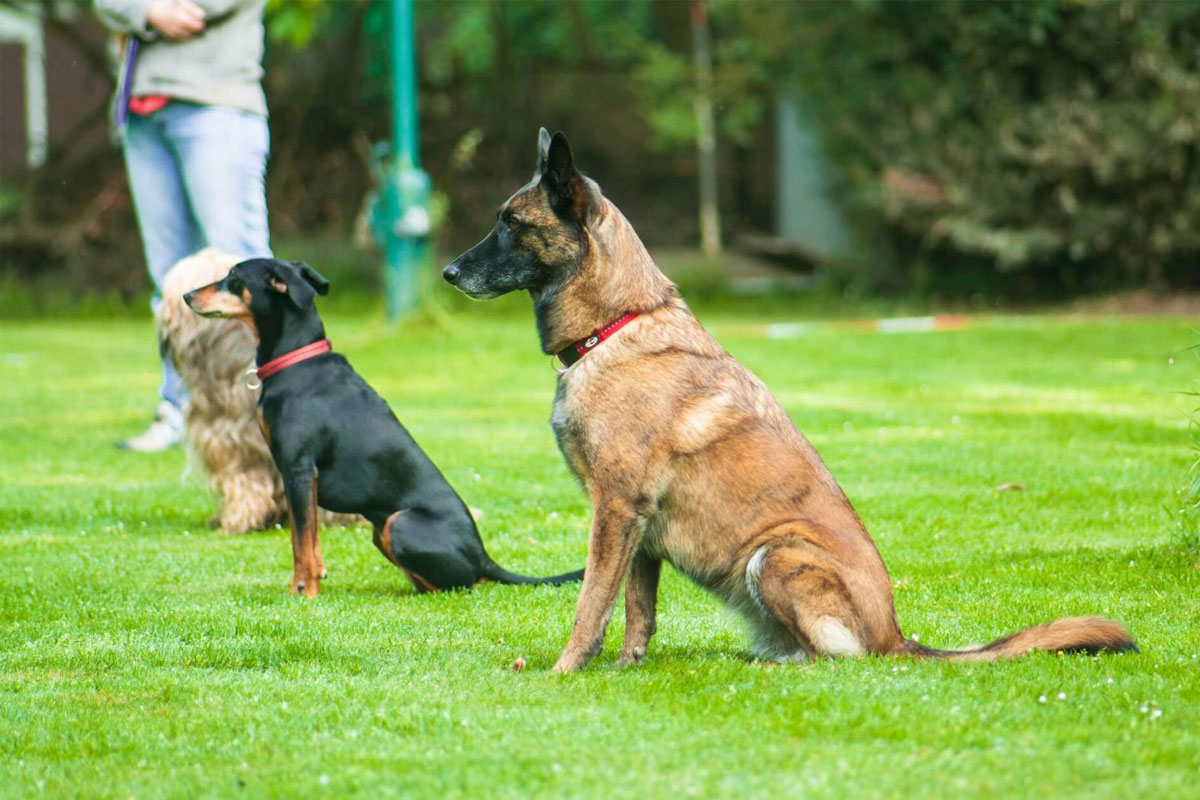
Living with a dog means constantly noticing small shifts in behavior, attitude, and focus. One day you are celebrating a reliable sit, and before you know it, your dog is offering that sit automatically, waiting for the next challenge. That transition is exciting, but it can also be confusing. Many dog owners ask themselves whether their companion is truly ready for advanced training or if they are rushing the process.
I have walked through this stage with my own dogs, and I have seen how powerful the right timing can be. Advanced training is not about flashy tricks or bragging rights at the park. It is about building on a solid foundation so your dog can handle more complex tasks, distractions, and expectations without stress. The signs are often subtle, but once you know what to look for, they become impossible to ignore.
Strong Reliability With Basic Commands
The clearest sign that a dog is ready for advanced training is consistency with foundational cues. Sit, down, stay, come, and loose leash walking should not feel like a gamble. If your dog responds promptly in different environments, that tells me the behavior is truly learned rather than just memorized in one familiar spot.
I look for reliability in the backyard, on a quiet street, and even near mild distractions. A dog who can hold a stay while a neighbor walks by or who comes when called despite an interesting scent is showing emotional control. That kind of dependability creates the backbone needed for more complex skills.
Advanced work demands layering behaviors together. Without a steady base, the dog becomes confused and frustrated. When the basics feel almost automatic, that is a strong green light to move forward.
Focus That Lasts Longer Than A Few Seconds
Puppies and young dogs often have attention spans that flicker like a light switch. Advanced training requires a dog who can stay mentally present for longer stretches of time. I notice this shift when my dog begins checking in with me voluntarily and maintaining eye contact without constant prompting.
If your dog can engage with you for several minutes during a session without wandering off mentally, that matters. Focus is not just about staring at your face; it is about staying tuned in despite background noise. A dog who can ignore passing cars or distant barking while working is showing readiness for the next level.
Longer attention spans allow you to introduce sequences of behaviors. Instead of asking for one cue at a time, you can begin building small routines. That mental stamina is essential for advanced obedience, agility, scent work, or service-style tasks.
Emotional Stability Around Distractions
Emotional control is just as important as technical skill. A dog who panics, overreacts, or becomes overly excited in stimulating environments will struggle with advanced demands. I pay close attention to how my dog responds to new people, unfamiliar dogs, loud sounds, and unexpected movement.
Readiness shows up as curiosity without chaos. The dog might notice a distraction, but they recover quickly and redirect back to me. That quick bounce-back is a powerful sign of maturity.
Advanced training often takes place in busier settings. Whether you are working toward off-leash reliability or structured sports, your dog must regulate their emotions. Stability does not mean perfection, but it does mean resilience.
Eagerness To Work And Solve Problems
A dog who is ready for more will often tell you through enthusiasm. I see it in the way my dog perks up when I reach for the treat pouch or training mat. The body language shifts from passive to engaged, almost like they are asking for a challenge.
Problem-solving behaviors are another clue. If your dog experiments with different actions to earn a reward instead of shutting down, that curiosity signals growth. Advanced training thrives on a dog who enjoys thinking through puzzles.
Motivation does not have to look wild or frantic. Calm eagerness is often better than explosive excitement. A dog who is excited yet still composed is ideal for building complex behaviors.
Ability To Handle Longer Sessions
Basic training sessions are often short and simple. As dogs mature, their ability to handle longer periods of structured work increases. I gradually extend session length and observe how my dog responds.
If your dog maintains quality performance without frustration or mental fatigue, that is meaningful. You might notice they recover quickly from mistakes and remain engaged even after ten or fifteen minutes of work. That endurance is necessary for advanced skills that require repetition and precision.
Pushing too soon can lead to burnout. A dog who is truly ready will show steady energy rather than signs of avoidance. Consistent performance over slightly longer sessions suggests readiness for more demanding exercises.
Quick Recovery From Mistakes
Mistakes are inevitable in any training process. What matters is how your dog reacts afterward. I watch for resilience rather than perfection.
A dog who freezes, shuts down, or becomes anxious after a small error may not be ready for increased difficulty. In contrast, a dog who simply tries again with confidence demonstrates emotional security. That ability to recover is vital when tasks become more complex.
Advanced training introduces higher criteria. Dogs who can handle constructive feedback without losing motivation are far better equipped to succeed. Confidence under pressure is a reliable readiness indicator.
Physical Maturity And Coordination
Physical development plays a role, especially if you plan to explore activities like agility or advanced obedience. Puppies may show enthusiasm, but their bodies are still growing. I make sure my dog has appropriate muscle tone, coordination, and veterinary clearance before increasing physical demands.
Watch how your dog moves. Smooth transitions between positions and balanced movement suggest physical readiness. Clumsiness alone does not disqualify a dog, but repeated physical strain can cause harm if advanced training begins too early.
Mental readiness and physical capability must align. Advanced skills often require precise footwork, controlled jumps, or sustained posture. A body that can support those demands is essential.
Generalization Across Environments
True mastery means your dog can perform behaviors in various settings. I test this gradually by practicing cues in new parks, different rooms of the house, and around moderate distractions. A dog who responds consistently is demonstrating generalization.
If your dog only listens in one specific location, more foundational work is needed. Advanced training builds upon behaviors that are flexible and adaptable. Real-world reliability is far more important than perfection in a quiet living room.
Generalization reflects cognitive growth. It shows your dog understands the cue itself rather than memorizing a specific context. That deeper comprehension supports advanced learning.
Calm Confidence In New Situations
Confidence is not loud or dramatic. It often looks like quiet curiosity and steady posture. When I bring my dog somewhere new, I watch for relaxed body language and an interest in exploring without fear.
A dog who can enter unfamiliar environments and still respond to cues is showing maturity. Hesitation is normal, but persistent anxiety can interfere with advanced work. The ability to investigate and then refocus on you is key.
Advanced training frequently exposes dogs to novel stimuli. Confidence helps them navigate these situations without losing composure. That emotional balance sets the stage for success.
Clear Communication Between You And Your Dog
Training becomes smoother as communication improves. Subtle signals begin to replace exaggerated gestures. I notice readiness when my dog responds to softer cues and seems attuned to my body language.
This mutual awareness is built over time. If you and your dog move together fluidly during exercises, that synergy suggests you are prepared for more refined skills. Advanced work often relies on small adjustments rather than obvious prompts.
Strong communication reduces frustration. It allows you to raise criteria gradually without overwhelming your dog. A well-established dialogue between you and your companion makes advanced training feel like teamwork rather than instruction.
Reduced Dependence On Constant Rewards
In early stages, frequent reinforcement is essential. Over time, dogs begin to work with intermittent rewards. I test readiness by varying the reinforcement schedule slightly and observing whether my dog remains engaged.
If motivation collapses the moment a treat is delayed, more foundation is needed. A dog prepared for advanced training will continue offering effort even when rewards are spaced out. That persistence reflects genuine understanding.
This does not mean eliminating rewards entirely. It means your dog values the work itself and trusts that reinforcement will come. That mindset supports more intricate tasks.
Curiosity About New Challenges
Dogs who are ready for advanced training often seek novelty. I see it when my dog interacts confidently with new equipment or explores unfamiliar training props without hesitation. Curiosity paired with composure is a strong sign of growth.
A dog who enjoys new challenges tends to adapt quickly. They approach unfamiliar tasks with interest instead of avoidance. That flexibility becomes invaluable as exercises increase in complexity.
Curiosity fuels progress. It keeps training sessions dynamic and prevents stagnation. A dog who thrives on mental stimulation is often prepared for advanced work.
Healthy Bond And Trust
Advanced training deepens the relationship between dog and handler. Trust must already be present before expectations increase. I reflect on whether my dog looks to me for guidance during uncertain moments.
If your dog consistently seeks reassurance and responds positively to direction, that bond is strong. Trust reduces stress and increases willingness to attempt difficult tasks. Without it, advanced training can strain the relationship.
A healthy bond also means you can read subtle stress signals. That awareness allows you to adjust pace appropriately. Mutual trust creates a safe space for growth.
Consistent Enthusiasm Over Time
Temporary excitement does not equal readiness. I look for sustained enthusiasm across weeks, not just a few energetic days. Consistency indicates genuine engagement rather than a passing phase.
Dogs who maintain interest in structured work demonstrate mental maturity. They show up ready to participate even after challenging sessions. That steady commitment is essential for advanced goals.
Momentum builds gradually. A dog who enjoys the process is far more likely to succeed in demanding training paths.
Your Own Readiness As A Handler
Progress does not depend solely on the dog. I evaluate my own patience, knowledge, and consistency before raising the bar. Advanced training requires clear timing and thoughtful progression.
If I feel rushed or uncertain, I slow down. My confidence influences my dog’s performance. A prepared handler creates a calm and structured environment for advanced work.
Education and observation are ongoing responsibilities. Investing in workshops, reputable trainers, or structured programs can strengthen your skills. Your readiness directly shapes your dog’s experience.
Final Thoughts On Moving Forward
Advanced training should feel like a natural progression rather than a leap. The signs are visible in reliability, focus, emotional balance, and curiosity. When these elements align, moving forward feels smooth instead of forced.
I remind myself that growth is not a race. Each dog develops at a unique pace, and respecting that timeline builds lasting success. Advanced training becomes rewarding when it is built on patience and observation.
Watching a dog rise to new challenges is deeply satisfying. The journey from basic cues to refined skills reflects trust, teamwork, and shared dedication. When the signs are present, stepping into advanced training feels less like a risk and more like an exciting new chapter.
