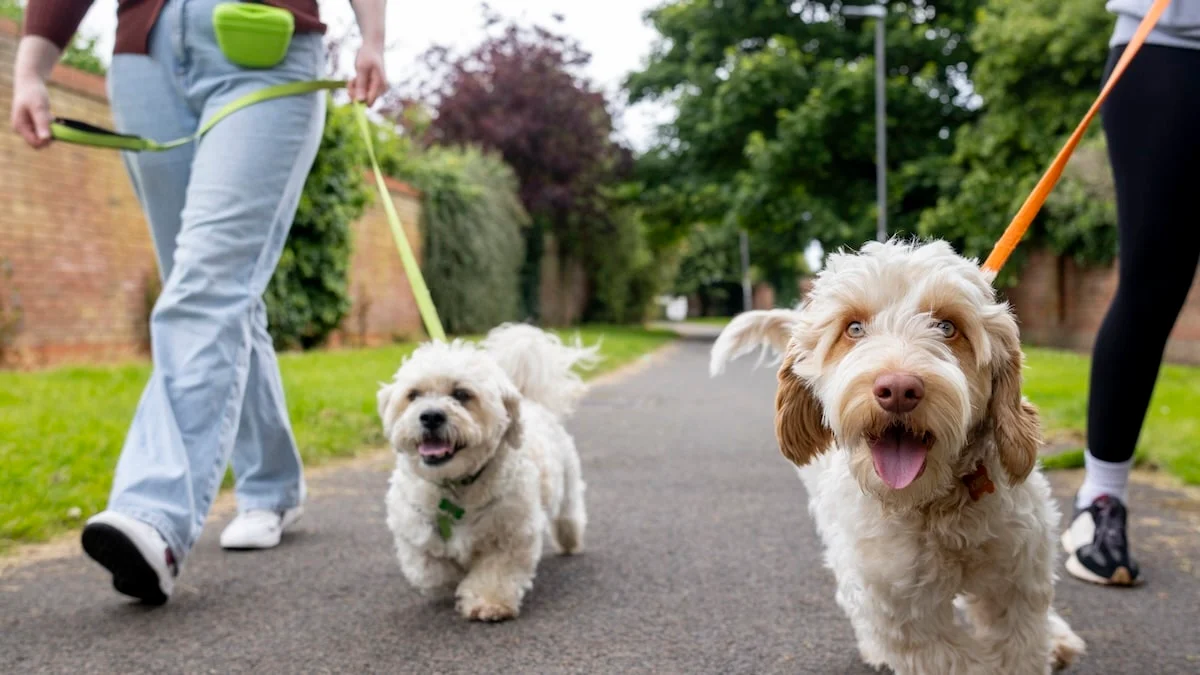
Bringing a puppy home changes the rhythm of daily life in the best possible way. The tiny paws, the curious nose, and the eager eyes turn ordinary routines into shared adventures. Amid the excitement, one responsibility stands above the rest: guiding that young dog into the world with confidence and balance. Socialization is not a trendy buzzword or an optional extra. It is the foundation that shapes how a puppy responds to people, animals, sounds, and situations for years to come.
I have seen the difference proper socialization makes, not just in obedience but in overall happiness. A well-socialized puppy grows into a dog that can walk through a busy park without fear, greet visitors without panic, and adapt to new environments without shutting down. That kind of resilience does not happen by accident. It comes from thoughtful, steady exposure during the earliest stages of life.
The process requires patience, awareness, and a willingness to step outside the comfort zone a little. Puppies are naturally curious, but they are also sensitive. The goal is not to overwhelm them with the world, but to introduce it in ways that feel safe and rewarding.
Why Early Socialization Matters So Much
A puppy’s brain develops rapidly in the first few months. During this period, experiences leave lasting impressions that shape future reactions. Positive encounters with people, sounds, surfaces, and other animals teach a puppy that the world is predictable and safe.
If those experiences are missing or consistently negative, fear can take root. Fear in a young dog often shows up later as anxiety, aggression, or avoidance. Many behavioral problems that seem to appear out of nowhere in adolescence actually trace back to limited or stressful exposure during early weeks.
I treat this stage as a window of opportunity. It does not stay open forever, and once it closes, new experiences require more effort to integrate. That is why I start gently but intentionally, creating positive associations with as many safe scenarios as possible.
Starting At Home With Everyday Experiences
Socialization does not begin at the dog park. It begins in the living room, the kitchen, and the hallway. Everyday sights and sounds can be surprisingly overwhelming to a young puppy.
I introduce household noises gradually. The vacuum cleaner, dishwasher, doorbell, and television all become part of a slow, positive routine. Rather than blasting a loud sound unexpectedly, I let my puppy observe from a comfortable distance and reward calm behavior with treats and praise.
Different surfaces are another simple but powerful tool. Walking on tile, carpet, hardwood, grass, gravel, and even a wobbly mat helps build confidence. Each new texture becomes a tiny adventure. Instead of rushing the puppy forward, I allow exploration at their pace, celebrating curiosity rather than forcing bravery.
Handling is equally important. I gently touch paws, ears, tail, and mouth while offering reassurance. This makes future grooming and vet visits far less stressful. Over time, my puppy learns that human hands bring comfort, not discomfort.
Introducing New People The Smart Way
Meeting people is one of the most important parts of socialization. Puppies need exposure to different ages, appearances, voices, and movements. Tall adults, children, people wearing hats, individuals with glasses, and those using mobility aids all present unique silhouettes and sounds.
I avoid overwhelming introductions. Instead of crowding the puppy with eager hands, I ask visitors to sit calmly and let the puppy approach first. Treats help create positive associations, but the real magic lies in allowing choice. A puppy that chooses to interact builds confidence far more effectively than one that is picked up and passed around.
Children require special guidance. I teach kids to use gentle hands and quiet voices. At the same time, I supervise closely to ensure the puppy does not feel trapped or startled. Respect flows both ways, and early lessons about boundaries benefit everyone involved.
Safe Encounters With Other Dogs
Not every dog is a good teacher. Socialization with other dogs should be intentional and safe. A single bad experience can undo weeks of careful progress.
I look for calm, vaccinated, well-mannered dogs to introduce to my puppy. Puppy classes run by reputable trainers can provide controlled environments where young dogs learn appropriate play. These classes allow puppies to practice reading body language and responding to social cues.
Play should look balanced. Both dogs take turns chasing and being chased. Pauses happen naturally, and neither dog appears overwhelmed. If play becomes too rough or one puppy shows signs of fear, I intervene gently and redirect attention.
Dog parks are tempting, but I avoid them until my puppy has developed solid social skills. Large groups of unfamiliar dogs can be unpredictable. Structured, positive interactions build a much stronger foundation than chaotic exposure.
Exploring The World Beyond The Front Door
Once vaccinations allow for safe outings, the world opens up dramatically. Sidewalks, parks, car rides, and pet-friendly stores become part of the curriculum. Each location offers new smells, sounds, and sights.
I start with short trips. A five-minute walk around the block can be more than enough for a young puppy. I watch body language closely, looking for signs of stress such as tucked tails, flattened ears, or excessive yawning.
Positive reinforcement plays a key role. Calm behavior around bicycles, strollers, or passing traffic earns praise and small treats. If my puppy seems unsure, I create distance rather than forcing proximity. Confidence grows from repeated success, not from being pushed past comfort limits.
Car rides deserve special attention. I make them pleasant by pairing them with enjoyable destinations or quiet exploration rather than only vet visits. A puppy that associates the car with good experiences adapts more easily later in life.
Handling Fearful Moments With Care
Even with careful planning, unexpected things happen. A loud motorcycle may roar past, or a stranger may approach too quickly. What matters most is how I respond in those moments.
I stay calm and grounded. My puppy reads my body language and tone more than my words. If I tense up or react anxiously, that tension transfers instantly.
Instead of scolding fear, I acknowledge it and create space. Distance often reduces stress enough for the puppy to recover. Once calm returns, I reintroduce the stimulus at a lower intensity, pairing it with something positive.
Avoiding scary experiences entirely can make fear grow. Gradual exposure with support helps transform uncertainty into resilience. The key is pacing. Progress may look slow, but steady steps build lasting confidence.
Socializing With Different Environments And Situations
Variety strengthens adaptability. I think beyond people and dogs, considering environments that my puppy may encounter throughout life. Elevators, stairs, grooming tables, outdoor cafés, and busy sidewalks all offer valuable lessons.
I introduce these settings gradually. A quiet café during off-peak hours works better than a crowded weekend brunch. A calm visit to a hardware store can expose a puppy to carts, echoes, and diverse smells in a controlled way.
Weather also plays a role. Walking in light rain, experiencing wind, and hearing thunder from indoors can all become part of early exposure. I remain attentive to comfort, ensuring that each experience remains positive rather than overwhelming.
Each new scenario adds another layer of flexibility. The more contexts a puppy navigates successfully, the more adaptable they become as adults.
The Role Of Training In Socialization
Basic training and socialization go hand in hand. Commands such as sit, stay, and come provide structure in unfamiliar settings. A puppy who responds reliably to cues feels more secure because expectations are clear.
I weave training into social experiences. Asking for a sit before greeting someone or before crossing a street reinforces calm behavior. Rewards strengthen the connection between good choices and positive outcomes.
Short, upbeat sessions work best. Puppies have limited attention spans, and ending on a success keeps enthusiasm high. Consistency matters more than intensity. Daily practice, even in small doses, shapes long-term habits.
Professional guidance can also help. A qualified trainer offers insight into body language and timing, which are critical during socialization. Support from an expert can prevent small issues from becoming larger challenges.
Avoiding Common Socialization Mistakes
Many well-meaning owners equate socialization with exposure at any cost. Flooding a puppy with too much stimulation too quickly can backfire. Quantity does not replace quality.
I focus on controlled, positive interactions rather than sheer numbers. Ten calm, happy introductions achieve more than fifty chaotic encounters. Watching my puppy’s body language guides every decision.
Another mistake involves forcing physical contact. Not every puppy wants to be hugged or picked up by strangers. Respecting individual temperament builds trust. Socialization does not mean turning every puppy into a social butterfly. It means helping them feel safe and confident in varied situations.
Ignoring rest is another pitfall. Puppies need significant sleep to process new information. After a busy outing, I allow time for quiet recovery. Balance between stimulation and rest supports healthy development.
Tailoring The Process To Your Puppy’s Personality
Each puppy arrives with a unique temperament. Some bound toward new experiences with enthusiasm, while others observe cautiously from a distance. Both personalities can thrive with the right approach.
I pay close attention to my puppy’s signals. A curious pup may enjoy slightly faster-paced introductions, while a shy one benefits from smaller steps. Comparing one puppy to another rarely leads to helpful conclusions.
Confidence grows at different speeds. Celebrating small victories makes a noticeable difference. A timid puppy who chooses to sniff a new object or approach a new person deserves recognition.
Patience remains essential. Progress is not linear, and occasional setbacks are normal. Staying consistent and supportive builds trust that carries into adulthood.
Building Long-Term Confidence
Socialization does not end after the first few months. It evolves. Continued exposure to varied experiences reinforces early lessons and prevents regression.
I maintain regular outings, introduce new environments occasionally, and refresh training skills. Adolescence can bring temporary testing of boundaries, and consistent guidance keeps behavior on track.
Confidence becomes visible in subtle ways. A dog who walks into a new building with a relaxed posture, who greets visitors calmly, and who recovers quickly from surprises reflects early investment.
The rewards extend beyond convenience. A confident dog experiences less stress and enjoys life more fully. Watching that transformation unfold feels deeply satisfying.
Final Thoughts On Doing It Right
Socializing a puppy the right way requires intention, patience, and empathy. It involves seeing the world through young eyes and adjusting the pace accordingly. Each positive interaction lays another brick in the foundation of a stable adult dog.
I remind myself that this stage passes quickly. The effort invested now pays off for years to come. Confidence, adaptability, and trust do not appear overnight, but they grow steadily with thoughtful guidance.
The journey is not about perfection. It is about steady progress, careful exposure, and a commitment to meeting a puppy where they are. With that mindset, socialization becomes less of a checklist and more of a shared exploration, shaping a lifelong bond built on trust and confidence.
