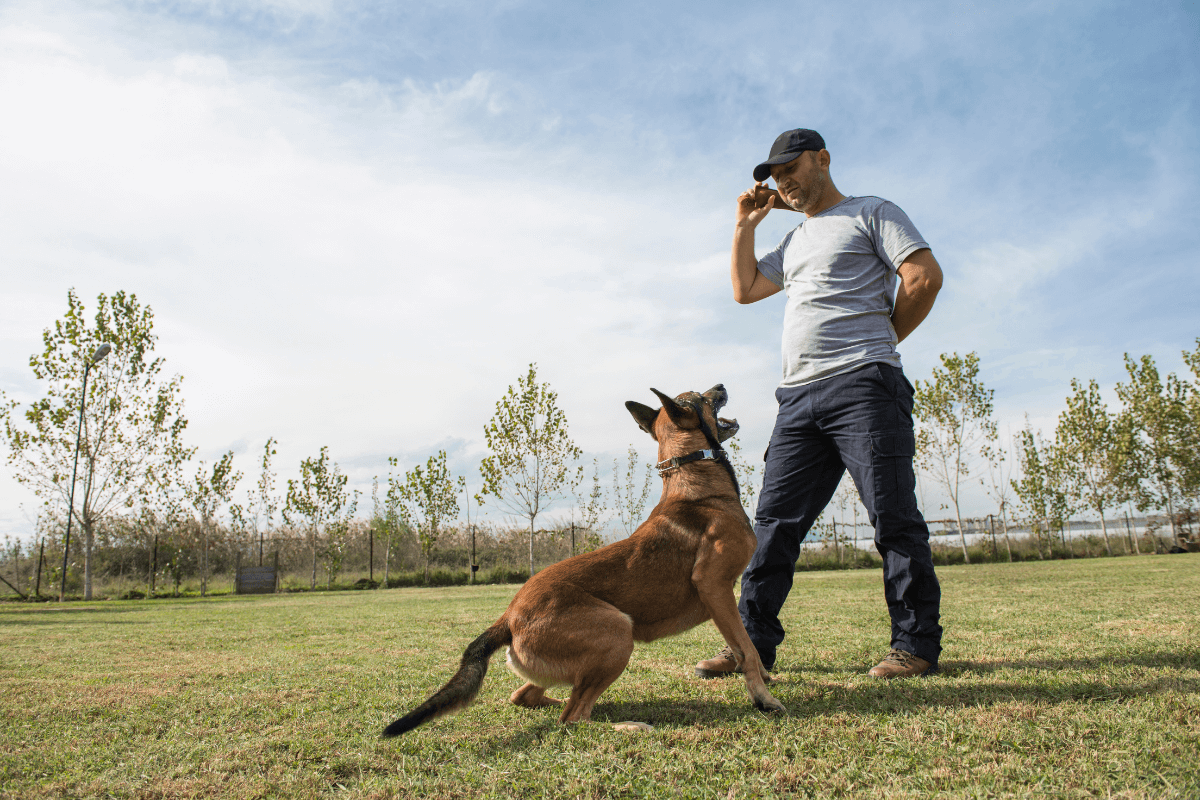
The idea that dogs are constantly trying to dominate us has shaped decades of advice, television shows, and well-meaning conversations at dog parks. I have heard it from neighbors, relatives, and even a few trainers who were convinced that every growl, every jump, and every ignored command was a power move. The message was simple: if I did not establish myself as the “alpha,” my dog would take over the household. That belief sounded logical on the surface, especially when paired with dramatic stories about wolf packs and rigid hierarchies.
Over time, though, the cracks in that theory became impossible to ignore. My own experiences with dogs did not line up with the narrative of constant status battles. Instead of plotting a hostile takeover of the couch, most dogs I worked with were confused, overstimulated, under-exercised, or simply not taught what was expected of them. The alpha theory promised control through dominance, but what I saw was that it often produced tension instead of clarity.
This topic matters because the way we interpret behavior shapes the way we respond to it. If I see a dog’s behavior as a challenge to my authority, my reaction will likely be confrontational. If I see it as communication or unmet need, my response changes entirely. That shift in perspective has transformed how I train and how I live with dogs.
Where Alpha Theory Came From
Alpha theory in dog training traces back to early research on wolves in captivity. In the mid-20th century, scientists observed unrelated wolves housed together in artificial environments. They noticed frequent conflicts and described rigid hierarchies, with an “alpha” male and female at the top. Those findings filtered into popular culture and, eventually, into dog training philosophy.
The problem is that later research on wild wolf packs told a different story. Studies of wolves in their natural habitats showed that packs function more like family units than rival gangs. The “alpha” pair were usually just the breeding parents, not tyrants ruling through force. Conflict was far less dramatic than earlier captive studies suggested.
Despite the updated science, the dominance narrative stuck. It was simple, memorable, and easy to sell. Dog training books, TV personalities, and obedience classes repeated the message that humans must dominate their dogs to maintain order. The idea became deeply embedded in how many people interpret canine behavior.
Why Dominance Became So Popular
Dominance-based training gained traction because it offered clear rules in a confusing world. Dog behavior can feel overwhelming, especially for new owners. The alpha theory boiled everything down to hierarchy, which gave people a sense of control. If the dog misbehaved, it meant the human had slipped in rank.
I can understand why that appealed to so many people. When a dog pulls on the leash, jumps on guests, or guards food, it feels personal. Labeling those behaviors as dominance makes them seem intentional and strategic. That interpretation, however, often oversimplifies what is really going on.
Another reason for its popularity was visibility. Television shows showcased dramatic “before and after” transformations using confrontational techniques. The quick suppression of behavior looked impressive on camera. What viewers did not always see were the long-term consequences or the subtle signs of stress that followed.
What Modern Science Actually Says
Modern canine behavior science paints a far more nuanced picture. Dogs are not wolves, and even wolves do not operate under the rigid dominance framework once assumed. Domestic dogs have evolved alongside humans for thousands of years, adapting to our social structures in ways that differ significantly from their wild ancestors.
Research in animal behavior emphasizes learning theory rather than social rank as the primary driver of behavior. Dogs repeat behaviors that are reinforced and avoid behaviors that are punished or unsuccessful. That framework focuses on consequences and environment, not power struggles.
Stress, fear, genetics, and past experiences all play major roles in shaping behavior. A dog who growls over a bone is often protecting a valuable resource, not staging a coup. A dog who ignores a recall cue may be distracted or insufficiently trained, not attempting to assert dominance. Once I began viewing behavior through that lens, my training sessions became calmer and more effective.
The Damage Caused By Mislabeling Behavior
Calling a behavior “dominant” can lead to harsh responses that escalate problems. If I believe my dog is trying to outrank me, I might respond with physical corrections, intimidation, or force. Those tactics can suppress behavior temporarily, but they rarely address the root cause.
I have met dogs who became increasingly anxious under dominance-based training. Their warning signals, such as growling or stiffening, were punished. Eventually, some of them stopped giving warnings altogether. That silence can look like improvement, but it often masks unresolved fear that may resurface more intensely later.
Trust is fragile in any relationship. When training relies heavily on intimidation, trust erodes. Dogs may comply out of fear, but they are less likely to experiment, offer behaviors, or engage joyfully. A cooperative partnership turns into a guarded truce.
The Myth Of “Being The Pack Leader”
The phrase “be the pack leader” gets repeated so often that it sounds like common sense. I once believed it meant projecting confidence and providing structure, which are both valuable traits. Over time, I realized that many people interpret it as a mandate to dominate.
Leadership in a healthy sense is not about force. It is about guidance, consistency, and meeting needs. In my home, leadership means setting clear boundaries while also ensuring my dog feels safe and understood. That dynamic looks nothing like the dramatic confrontations promoted under strict alpha theory.
Dogs thrive on predictability. They relax when they know what behaviors earn rewards and what situations to expect. That stability does not require pinning a dog to the ground or eating before them to assert rank. It requires thoughtful management and clear communication.
What Drives Behavior If Not Dominance
Behavior is shaped by reinforcement, environment, and emotion. If a dog jumps on guests and those guests laugh, talk, or make eye contact, the jumping is being reinforced. The dog is not trying to dominate the living room. The dog is responding to a pattern that has paid off before.
Emotions play a critical role as well. Fear can fuel aggression, anxiety can fuel reactivity, and boredom can fuel destructiveness. When I look at behavior through an emotional lens, my focus shifts from control to support. Instead of asking how to win, I ask what my dog needs to succeed.
Genetics also matter. Some breeds are more prone to guarding, chasing, or alerting. Labeling those tendencies as dominance ignores the powerful influence of selective breeding. Training becomes more effective when it works with a dog’s natural drives rather than framing them as defiance.
Positive Reinforcement Is Not Permissiveness
Critics of modern, reward-based training sometimes argue that it creates unruly dogs. They claim that without dominance, chaos follows. That assumption misunderstands what positive reinforcement actually entails.
Reward-based training is structured and intentional. It involves reinforcing desired behaviors while preventing rehearsal of unwanted ones. It also incorporates management strategies, such as leashes, gates, and controlled setups, to set the dog up for success.
I have found that dogs trained with clear reinforcement histories are often more reliable, not less. They understand what behaviors produce good outcomes. They are motivated to respond, not because they fear consequences, but because they anticipate rewards.
Setting Boundaries Without Force
Boundaries are essential in any household with dogs. Furniture rules, door manners, and polite greetings make life smoother for everyone. The absence of dominance does not mean the absence of limits.
I teach boundaries by reinforcing incompatible behaviors. If I do not want a dog to jump on guests, I teach and reward sitting for greetings. If I do not want counter surfing, I manage access and reward four paws on the floor. This approach replaces unwanted behavior with a clear alternative.
Consistency is key. Mixed messages create confusion, which can look like stubbornness. Clear expectations paired with fair consequences foster cooperation. That balance builds respect grounded in trust rather than fear.
Why Some Trainers Still Promote Alpha Theory
Despite evolving science, alpha-based methods persist. Part of that persistence stems from tradition. Many trainers were taught these methods decades ago and saw results, at least in the short term. Changing long-held beliefs can be uncomfortable.
Another factor is marketing. Dominance-based training can appear decisive and dramatic. It promises quick fixes and strong control. For frustrated owners seeking immediate relief, that message can be compelling.
It is also true that some dogs do stop certain behaviors under aversive methods. Suppression, however, is not the same as resolution. A dog may stop growling, but the underlying discomfort can remain. Modern training aims to address the cause, not just the symptom.
The Emotional Cost To Dogs
Dogs experience stress in ways that are both visible and subtle. Lip licking, yawning, turning away, and freezing can all signal discomfort. In dominance-heavy environments, those signals are sometimes overlooked or misinterpreted as guilt or defiance.
Chronic stress affects behavior and health. A dog that feels constantly challenged or corrected may become hypervigilant. That state can manifest as reactivity, withdrawal, or learned helplessness. None of those outcomes reflect a healthy partnership.
I have seen the difference in dogs who transition from harsh methods to reward-based approaches. Their body language softens. They offer behaviors more freely. The relationship shifts from adversarial to collaborative.
What A Modern Approach Looks Like In Practice
Modern dog training blends science, empathy, and structure. It involves teaching skills in small, achievable steps. It also involves managing the environment to prevent rehearsal of behaviors we do not want.
If a dog struggles with leash reactivity, I work at a distance where the dog can remain calm. I reinforce attention and relaxed body language. Over time, the threshold changes. That process requires patience, but it builds lasting change.
Communication becomes clearer as well. Cues are taught deliberately rather than assumed. Instead of expecting a dog to “just know” the rules, I invest time in teaching them. The result is not a submissive dog, but a confident one.
Rethinking Respect In The Human-Dog Relationship
Respect does not have to be rooted in dominance. In my experience, respect grows from consistency, fairness, and mutual trust. Dogs respond beautifully when they feel safe and understood.
A respectful relationship allows room for mistakes. Training setbacks are seen as information, not insubordination. That mindset reduces frustration on both sides of the leash.
Living with dogs is not about winning a hierarchy contest. It is about building a partnership across species. When I let go of the alpha narrative, I made space for a more compassionate and effective approach.
Moving Forward Without The Alpha Myth
The alpha theory once offered a tidy explanation for complex behavior. Over time, it became clear that the simplicity was misleading. Dogs are not plotting dominance. They are navigating their world with the tools and experiences they have.
Modern training invites us to replace confrontation with curiosity. Instead of asking how to assert rank, I ask how to teach more clearly and support more effectively. That shift has changed not only my dogs’ behavior, but also my relationship with them.
Letting go of outdated ideas can feel unsettling at first. It requires questioning advice that has been repeated for years. In return, it offers a calmer home, a stronger bond, and a dog who works with me rather than against me.
The truth about alpha theory in modern dog training is not that structure is unnecessary or that dogs should run wild. The truth is that dominance is an incomplete and often harmful framework. What works better is clarity, consistency, and compassion grounded in science.
