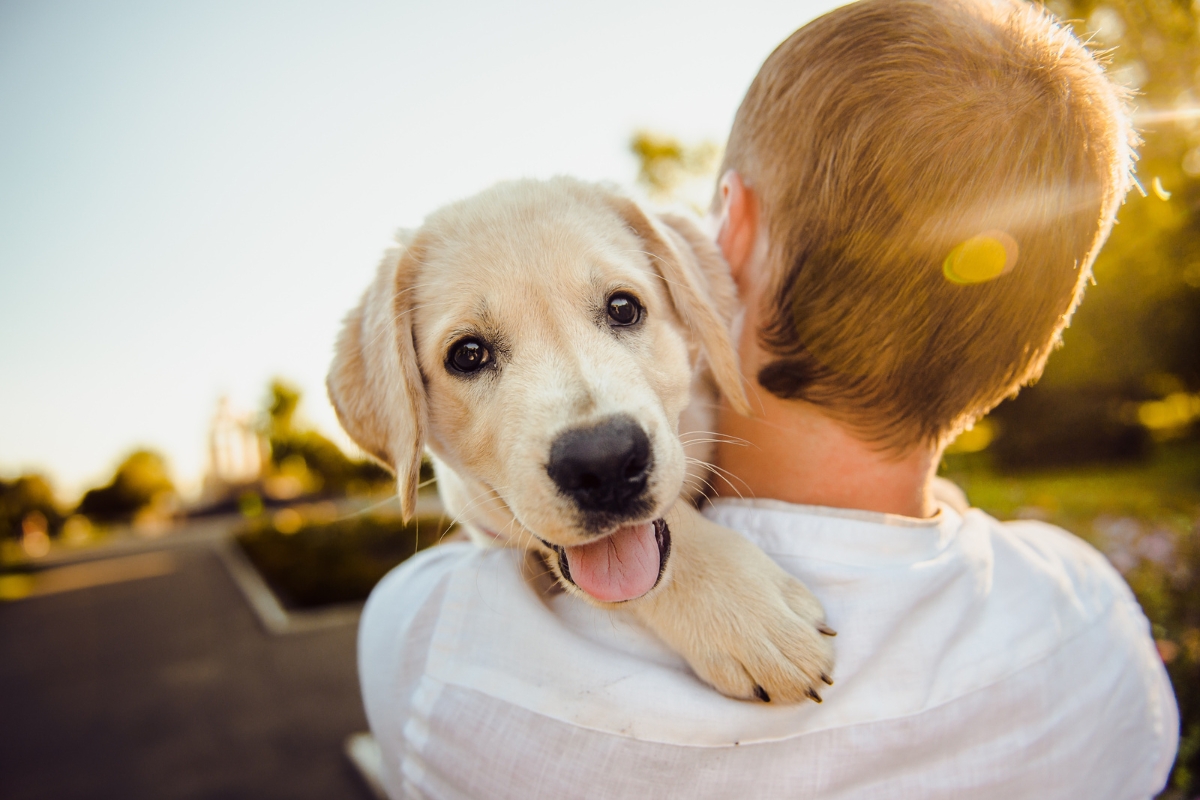
Bringing a puppy home changes the rhythm of the entire house. The tiny paws, the curious nose, the sudden bursts of energy, and the unexpected accidents on the floor all arrive at once. Excitement mixes with exhaustion, and without a clear plan, those first few weeks can feel chaotic. Structure is what turns that chaos into progress. A focused 30-day plan gave me direction, and it transformed my puppy from a whirlwind of confusion into a confident, responsive companion.
This plan is not built on harsh discipline or unrealistic expectations. It relies on consistency, timing, repetition, and patience. Puppies do not need perfection from us. They need clarity, guidance, and steady leadership. Over thirty days, I focused on building habits that made sense for real life, not just for ideal training sessions.
The key was dividing the month into manageable phases. Each week had a clear priority, and each day reinforced the same foundational skills. Instead of trying to teach everything at once, I layered behaviors in a way that made sense to my puppy. That pacing made all the difference.
Week 1: Building Trust And Routine
The first week set the tone for everything that followed. During these early days, my main goal was to create predictability. Puppies thrive on routine because it reduces anxiety and helps them anticipate what comes next. I established fixed times for feeding, potty breaks, naps, and play sessions, and I stuck to them as closely as possible.
Potty training began immediately. I took my puppy outside first thing in the morning, after every meal, after naps, and after playtime. I chose one designated potty spot and stayed there until the job was done. The moment success happened, I praised warmly and rewarded with a small treat. That immediate feedback helped my puppy connect the action with the reward.
Crate training also started in week one. The crate became a safe, comfortable den rather than a place of isolation. I fed meals near it at first, then inside it, leaving the door open so curiosity could take over. Short, positive crate sessions gradually became longer rest periods. By the end of the week, my puppy willingly walked into the crate without hesitation.
Name recognition was another priority. Several times a day, I said my puppy’s name in a cheerful tone and rewarded eye contact. I avoided repeating the name over and over. Instead, I said it once and waited. That simple habit laid the groundwork for recall and attention training later on.
Sleep management mattered more than I expected. Puppies need a significant amount of rest, and overtired puppies behave like tiny tornadoes. Scheduled nap times in the crate prevented overstimulation and reduced unwanted biting and zooming. A well-rested puppy was far more responsive during training sessions.
Week 2: Foundations Of Obedience
By the second week, the initial adjustment period had settled. My puppy understood the household rhythm, and accidents had already decreased. This was the perfect time to introduce basic commands that would shape long-term behavior. Short sessions of five to ten minutes kept things engaging without overwhelming a young mind.
Sit was the first formal command I introduced. I held a treat slightly above my puppy’s nose and moved it back slowly. As the head followed the treat upward, the bottom naturally touched the ground. The instant that happened, I marked the behavior with praise and gave the reward. Repetition over several days made sit almost automatic.
Stay came next, but in very small increments. I asked for a sit, held up my hand in a clear stop gesture, and took one small step back. If my puppy remained in place for even a second, I returned and rewarded generously. Gradually, I increased distance and duration. Patience during this stage prevented frustration on both sides.
Recall training began indoors where distractions were minimal. I crouched down, opened my arms, and called my puppy’s name followed by come. Whenever my puppy ran toward me, the reward was enthusiastic praise and a treat. I avoided calling unless I was confident my puppy would succeed, because reinforcing success built reliability.
Leash introduction also happened during week two. At first, I clipped the leash on and let my puppy walk around indoors while supervised. This helped reduce resistance to the sensation. Once outside, I kept walks short and focused on rewarding moments when the leash remained loose. I stopped walking whenever pulling started, teaching that forward movement only happened with a relaxed leash.
Biting and nipping needed consistent redirection. Puppies explore the world with their mouths, but sharp teeth on human skin cannot become a habit. Whenever biting occurred, I redirected attention to a chew toy and briefly ended play if necessary. Over time, my puppy learned that gentle play continued, while rough play stopped.
Week 3: Socialization And Real-World Practice
Confidence building became the focus during the third week. Socialization is not about overwhelming a puppy with chaos. It is about controlled exposure to new sights, sounds, textures, and people. I introduced new experiences gradually and paired them with positive reinforcement.
Car rides started short and calm. I secured my puppy safely and drove around the block before returning home. Treats and praise made the experience pleasant rather than stressful. Repeating these small outings prevented motion anxiety later in life.
Meeting new people required structure. I asked visitors to remain calm and allow my puppy to approach at a comfortable pace. Excited greetings can unintentionally reward jumping, so I reinforced sitting before receiving attention. That simple rule helped prevent future jumping problems.
Exposure to different environments also mattered. Parks, sidewalks, pet-friendly stores, and quiet neighborhoods all provided valuable stimulation. I carried treats everywhere and rewarded calm behavior around distractions. These moments strengthened focus and reinforced commands learned in earlier weeks.
Handling exercises were woven into daily life. I gently touched paws, ears, and the tail while offering treats. This prepared my puppy for grooming and veterinary visits. By pairing touch with rewards, I built trust rather than resistance.
During this week, I also began reinforcing longer stays and more reliable recall outdoors. I used a long training leash in safe areas to practice calling my puppy back. Success was always celebrated enthusiastically. Reliable recall is not built through punishment for failure, but through making return the most rewarding choice available.
Week 4: Strengthening Reliability And Manners
The final stretch of the 30-day plan focused on consistency and proofing. Commands that worked indoors now needed to hold up in more distracting settings. I gradually increased difficulty by practicing in busier areas while still setting my puppy up for success.
Impulse control exercises became part of everyday routines. Before meals, I asked for a sit and brief stay. Before going outside, I waited for calm behavior at the door. These small pauses reinforced patience and respect for boundaries.
Loose-leash walking received daily attention. Instead of long, unfocused walks, I concentrated on quality. Whenever my puppy checked in with me or walked beside me calmly, I rewarded that choice. This turned walks into cooperative experiences rather than tug-of-war contests.
I also reduced treat frequency gradually while maintaining praise. Rewards shifted from constant food reinforcement to intermittent treats combined with verbal encouragement. This helped behaviors remain strong without dependence on visible snacks.
Problem-solving skills improved significantly by this stage. My puppy began offering sits automatically for attention and looked to me for guidance in unfamiliar situations. That shift marked a deeper level of communication. Training was no longer about isolated commands but about an ongoing conversation.
Common Mistakes That Slow Progress
Consistency is the difference between progress and confusion. Changing rules from one day to the next sends mixed signals. If jumping is ignored one day and rewarded with laughter the next, a puppy cannot understand expectations. Clear boundaries must remain steady.
Overtraining can be just as harmful as undertraining. Puppies have short attention spans and limited emotional stamina. Long sessions lead to frustration and diminished focus. Short, positive bursts maintain enthusiasm and curiosity.
Punishment often backfires, especially during early development. Fear-based reactions can damage trust and slow learning. Redirecting, rewarding good choices, and managing the environment produce far better long-term results.
Another common issue is unrealistic expectations. A puppy is not a fully trained adult dog after thirty days. The goal of this plan is foundation, not perfection. These first weeks build habits that continue strengthening over months.
Daily Schedule Example
A structured day made everything easier. Mornings began with a potty break followed by breakfast and a short training session. Mid-morning included supervised play and another bathroom trip. Early afternoon was reserved for a nap in the crate.
Evenings included a walk focused on leash skills and another short obedience practice. Before bedtime, I provided a final potty opportunity and calm wind-down time. That predictable flow reduced anxiety and accidents significantly.
Flexibility remained important, but structure provided clarity. Puppies feel safer when they know what to expect. That sense of security accelerates learning in every area.
Why This Plan Works
This 30-day plan works because it respects how puppies learn. It focuses on repetition, timing, and positive reinforcement rather than force. Each week builds logically on the previous one, reinforcing behaviors instead of scattering attention across too many goals.
The plan also integrates training into everyday life. Commands are not isolated tricks performed only during sessions. They become part of routines like feeding, walking, greeting guests, and relaxing at home. That integration cements habits far more effectively than occasional drills.
Most importantly, the plan strengthens the bond between puppy and owner. Trust grows through clear communication and shared success. Training stops feeling like a chore and starts feeling like teamwork.
Life After The First 30 Days
Completion of the first month marks the beginning of a longer journey. Skills learned during these weeks need continued reinforcement. Gradually increasing distractions and challenges ensures steady improvement.
Advanced commands and fun tricks can be introduced once the basics feel solid. Mental stimulation through puzzle toys and scent games prevents boredom. Ongoing social exposure maintains confidence in new environments.
Progress will not be perfectly linear. Some days will feel like setbacks. Staying calm and returning to basics whenever needed keeps momentum moving forward. Consistency remains the anchor long after the first month ends.
Looking back, the structure of this 30-day plan prevented overwhelm and created measurable progress. My puppy did not transform overnight, but steady improvement appeared week by week. Clear routines, patient repetition, and positive reinforcement built a strong foundation that continues to support growth.
A well-trained dog is not the result of luck. It is the result of thoughtful daily effort. Thirty focused days can change the entire trajectory of a puppy’s development. With commitment and patience, those small daily actions turn into lifelong habits that truly work.
