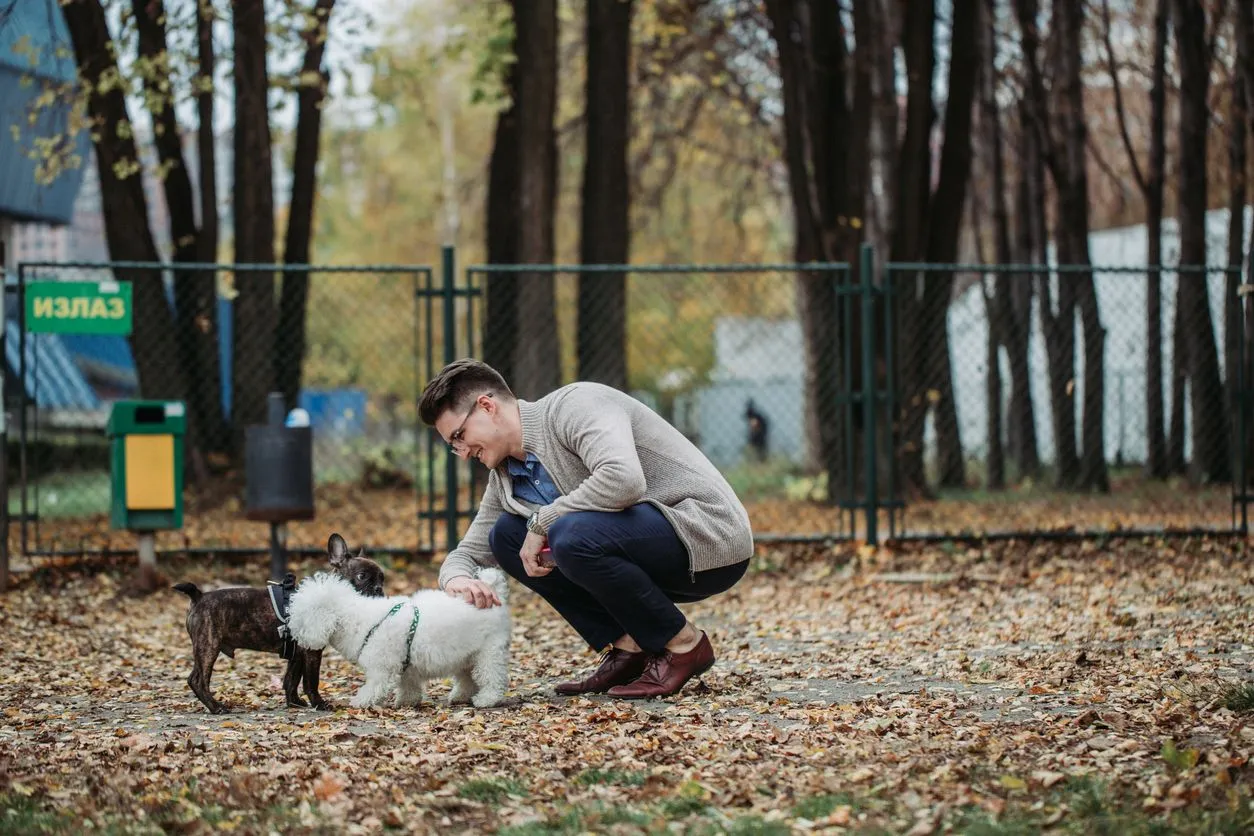
Dog parks can be joyful, chaotic, and surprisingly complicated places. I have walked through those double gates with excitement and a little hesitation more times than I can count. The open space, the blur of wagging tails, and the buzz of conversation between owners create an energy that feels different from a simple neighborhood stroll. At their best, dog parks offer freedom and connection, but they also demand awareness and responsibility.
I have seen friendships form in these fenced enclosures, both canine and human. I have also witnessed tense moments that could have been avoided with better judgment. Dog parks are not just patches of grass where dogs run wild; they are shared environments that require mutual respect. The more I visit them, the more I realize that the experience depends as much on the people as it does on the dogs.
Why Dog Parks Matter
Space is one of the greatest gifts a dog park provides. Many of us live in apartments or homes without large yards, and daily walks do not always satisfy a dog’s need to sprint, chase, and explore. Watching my dog stretch into a full run across an open field reminds me how different that movement looks compared to a leash-restricted trot. That freedom burns energy in ways a sidewalk simply cannot.
Dog parks also create opportunities for social interaction that are difficult to replicate elsewhere. Dogs read body language in nuanced ways, and regular exposure to other dogs sharpens those skills. I have noticed how my own dog learned to adjust her play style depending on her partner, toning it down with smaller dogs and matching the enthusiasm of larger ones. Those lessons build confidence and resilience over time.
Beyond the dogs, the park often becomes a small community hub. I have traded training tips, vet recommendations, and life updates with people I might never have met otherwise. Conversations begin with our pets but often expand into something more meaningful. That sense of shared experience adds another layer of value to the space.
Physical Health Gains
Exercise is the most obvious benefit, yet its impact goes deeper than a tired dog at the end of the day. Regular off-leash play strengthens muscles, supports joint health, and helps maintain a healthy weight. I have seen how consistent park visits improved my dog’s stamina and overall condition. Her sleep became deeper and more settled after a solid play session.
Cardiovascular health improves when dogs engage in sustained running and active play. Fetch, chase, and even playful wrestling elevate heart rates in a natural, enjoyable way. Instead of structured drills, dogs engage in spontaneous bursts of movement that mirror how they would behave in more natural settings. That variety keeps their bodies responsive and agile.
Mental stimulation pairs closely with physical exertion. The park presents new scents, sounds, and social cues that challenge a dog’s brain. After an hour at the park, my dog seems not only physically satisfied but mentally content. That balance often reduces destructive behaviors at home, such as chewing or excessive barking.
Social Development And Confidence
Dogs are social animals, yet not all dogs are equally comfortable in group settings. I have watched shy dogs gradually step closer to the action over several visits. Exposure, when managed carefully, can build confidence in ways that isolated environments cannot. A dog that once hid behind its owner may eventually initiate play.
Social development includes learning boundaries. Play bows, pauses, and yelps communicate important messages between dogs. I have seen disagreements defuse quickly when both dogs understood these signals. Those exchanges teach impulse control and cooperation, which carry over into daily life.
Confidence gained at the park often shows up in unexpected ways. My dog became less reactive on neighborhood walks after she grew accustomed to meeting unfamiliar dogs in a controlled environment. She seemed more secure in her ability to navigate social situations. That shift made everyday outings more pleasant for both of us.
Emotional Benefits For Owners
The advantages extend beyond our pets. Standing in the park while my dog plays offers me a mental break from screens and responsibilities. Fresh air, sunlight, and casual conversation create a simple but powerful reset. Even on stressful days, a park visit can shift my mood.
Shared experiences foster empathy among owners. We celebrate milestones, such as a formerly timid dog finally engaging in play. We also support one another when challenges arise, from minor injuries to behavioral setbacks. That collective understanding eases the isolation that can come with pet ownership.
Watching pure, uninhibited joy has its own therapeutic effect. Dogs sprint with abandon and greet each other without pretense. Their enthusiasm feels contagious, reminding me to appreciate small pleasures. That emotional lift is subtle but meaningful.
Health And Safety Risks
Despite the benefits, dog parks are not risk-free environments. Illness can spread quickly when many animals share the same space. I make sure vaccinations are current and remain cautious if I notice signs of coughing or lethargy in other dogs. Prevention is always easier than dealing with an avoidable infection.
Injuries are another possibility. Rough play can escalate, especially when size differences are significant. I have stepped in more than once when play shifted from balanced to overwhelming. Staying attentive is essential because situations can change in seconds.
Behavioral issues can surface unexpectedly. A dog that appears calm on a leash may react differently in an off-leash setting. Resource guarding over toys or even over owners sometimes emerges in the park. Awareness of these patterns helps reduce conflict before it escalates.
The Reality Of Aggression
Not all growling signals danger, yet not all wagging tails signal friendliness. I have learned to read posture, eye contact, and stiffness in movement more carefully over time. A stiff body paired with a hard stare often signals tension, even if no sound accompanies it. Recognizing early warning signs allows me to intervene calmly.
Aggression can stem from fear, overstimulation, or lack of socialization. Blaming a dog without examining the context oversimplifies the situation. I have seen dogs snap when cornered or overwhelmed by a group. Creating space can defuse these moments before they turn serious.
Owners play a central role in preventing escalation. Standing far away while scrolling on a phone reduces the ability to respond quickly. I stay within sight and maintain awareness of my dog’s interactions. That attentiveness communicates responsibility to others in the park as well.
Hygiene And Environmental Concerns
Cleanliness influences the overall experience more than many people realize. Picking up waste promptly protects not only the appearance of the park but also the health of all dogs who use it. I always carry extra bags in case another owner forgets. That small act contributes to a safer environment.
Water bowls and shared toys can harbor bacteria if not maintained properly. I bring my own water and avoid communal items unless I trust their upkeep. Simple precautions reduce exposure to parasites and infections. A little vigilance goes a long way.
Weather conditions also affect safety. Muddy ground increases the risk of slips and strained joints. Extreme heat can lead to dehydration or heatstroke, especially during high-energy play. Adjusting visit times based on climate protects our dogs from preventable harm.
Park Etiquette That Builds Trust
Respecting the space and its users makes a noticeable difference. Entering through the double gate system carefully prevents accidental escapes. I remove my dog’s leash only after the inner gate is securely closed. That routine minimizes chaos at the entrance.
Supervision is not optional. Active engagement means watching body language, stepping in when play becomes unbalanced, and calling my dog back periodically. Reliable recall is one of the most valuable skills in a park setting. Without it, control diminishes quickly.
Clear communication among owners prevents misunderstandings. If my dog becomes too enthusiastic, I apologize and redirect her. Most people respond positively when they see genuine effort to manage behavior. Courtesy fosters a cooperative atmosphere.
Preparing Before You Go
Preparation begins long before stepping into the park. A solid foundation of basic commands, including recall and leave it, increases safety for everyone. I practice these cues regularly outside the park so they remain reliable under distraction. Consistency builds trust between me and my dog.
Energy levels matter as well. Arriving with an already overstimulated dog can lead to trouble. A short walk before entering helps take the edge off. That small step often results in calmer introductions.
Assessing the environment upon arrival helps me decide whether to enter. If I notice tense interactions or inattentive owners, I reconsider. Not every visit needs to result in going inside the fence. Sometimes walking away is the wiser choice.
Alternatives To Traditional Dog Parks
Dog parks are not the only way to provide enrichment. Organized playgroups with known dogs offer more controlled socialization. I have arranged meetups with trusted owners in quieter spaces. These smaller gatherings reduce unpredictability.
Long-line walks in open fields can simulate off-leash freedom while maintaining control. Hiking trails during off-peak hours also provide mental stimulation and exercise. Variety prevents boredom and broadens a dog’s experiences.
Training classes add another layer of social exposure under professional guidance. Structured environments teach dogs how to focus amid distractions. That discipline often transfers well to park settings if I decide to return.
Finding Balance
Dog parks are neither perfect playgrounds nor inevitable disaster zones. They are dynamic spaces shaped by the behavior of those who use them. I weigh the benefits and risks each time, considering my dog’s temperament and current needs. Flexibility allows me to adapt as circumstances change.
Some days the park feels harmonious, with dogs playing respectfully and owners engaged. Other days feel chaotic, prompting a shorter visit or an early departure. Accepting that variability helps me approach each outing with realistic expectations. Balance comes from observation and thoughtful decisions.
Responsibility ultimately rests with me. My dog relies on my judgment to keep her safe and to ensure she behaves appropriately toward others. That accountability shapes how I participate in the dog park culture.
A Thoughtful Approach To Shared Spaces
Dog parks thrive when participants value cooperation over convenience. Courtesy, awareness, and preparation create an environment where dogs can explore safely. I see the park as a privilege rather than an entitlement. That mindset shifts how I behave inside its gates.
Shared spaces reflect collective effort. If owners remain attentive and respectful, the park becomes a place of growth and enjoyment. If not, tension replaces trust quickly. My contribution, however small, influences the overall atmosphere.
I continue to visit dog parks because the benefits, when managed responsibly, outweigh the risks for my dog. The sight of her running freely and returning to me with bright eyes reinforces that choice. With careful attention and consistent etiquette, these parks can remain vibrant spaces where both dogs and people flourish.
