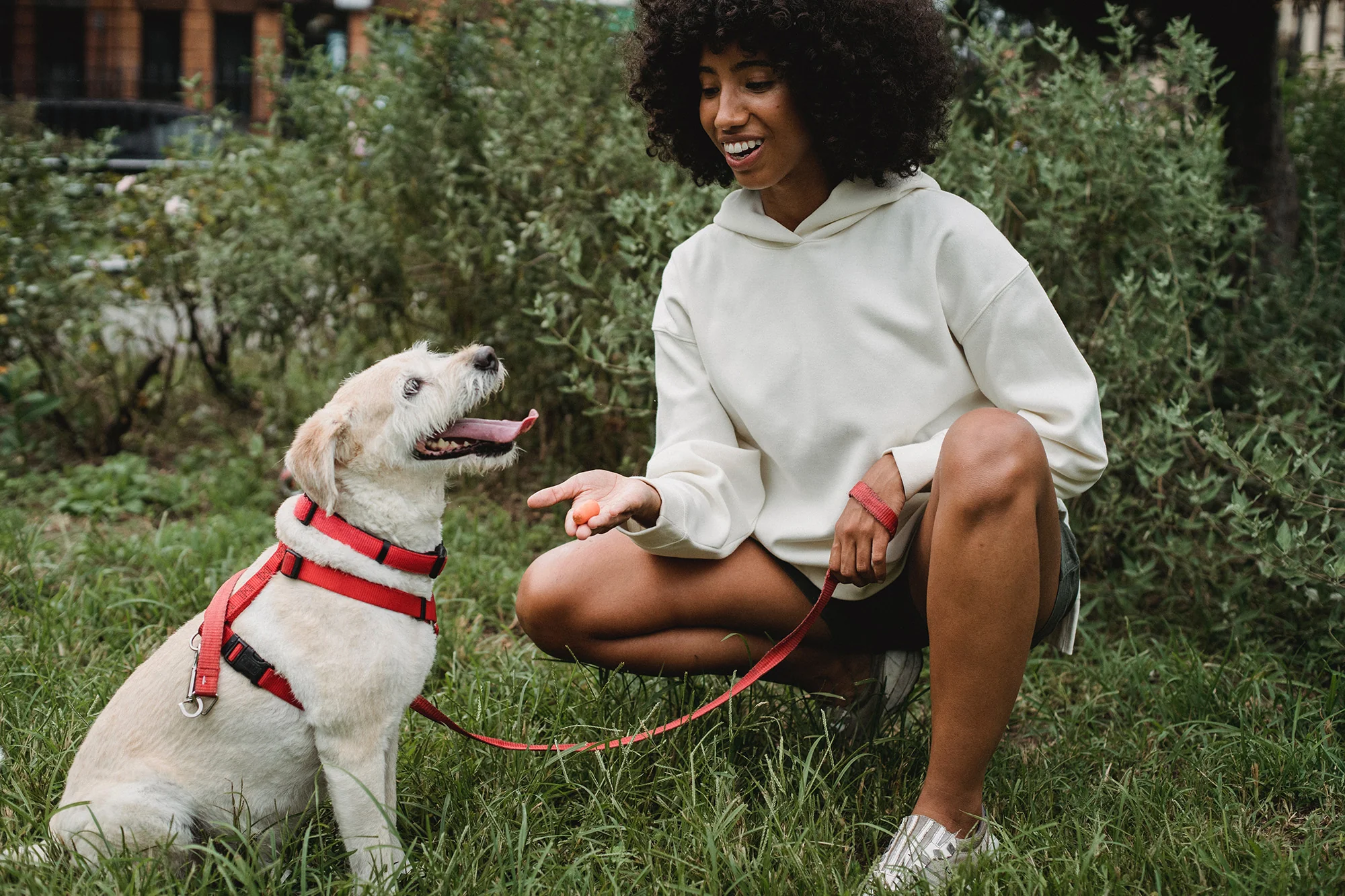
Bringing a dog into my life felt exciting, overwhelming, and deeply personal all at once. I quickly realized that good intentions were not enough; preparation made all the difference between chaos and confidence. A dog depends on me for safety, health, structure, and love, and that responsibility deserves more than impulse and enthusiasm. This checklist is the guide I wish I had laid out clearly before my dog ever set paw inside my home.
Preparing Your Home Before Your Dog Arrives
My home did not automatically become dog-ready just because I decided to adopt. I had to look at every room from a curious nose-level perspective. Electrical cords, loose rugs, open trash bins, and accessible cleaning products all became potential hazards once I imagined a playful puppy exploring freely.
I secured wires against baseboards, moved toxic plants out of reach, and installed baby gates to limit access to certain areas. Creating a designated space for rest helped establish comfort from day one. A quiet corner with a bed, water bowl, and a few toys became a safe zone where my dog could decompress without constant stimulation.
Outdoor spaces needed attention too. I checked fences for gaps and ensured gates latched securely. Even a small opening can tempt an adventurous dog, and prevention always feels easier than chasing a runaway companion down the street.
Essential Supplies for Day One
Walking into a pet store without a plan can turn into an expensive guessing game. I made a practical list and focused on necessities before extras. Food and water bowls, a properly sized collar, an ID tag with my contact details, and a sturdy leash were non-negotiable basics.
A comfortable bed gave my dog a sense of belonging. Crate training became smoother because I selected a crate large enough for standing and turning around, but not so large that it encouraged bathroom accidents in one corner. High-quality food appropriate for age and size mattered more than flashy packaging.
Grooming tools were another early priority. Nail clippers, a brush suited to coat type, dog shampoo, and dental chews made routine care easier to manage at home. Starting these habits early reduced stress for both of us later on.
Budgeting Beyond The Adoption Fee
The adoption fee or breeder cost is only the beginning. Veterinary visits, vaccinations, spaying or neutering, and preventive medications add up quickly during the first year. I created a monthly budget that included food, grooming supplies, and emergency savings.
Unexpected medical expenses can arrive without warning. Setting aside funds for emergencies gave me peace of mind and prevented panic-driven decisions. Pet insurance became part of my consideration, especially after comparing potential costs of surgeries or chronic conditions.
Toys, training classes, and boarding during travel also require financial planning. Responsible ownership means anticipating ongoing expenses rather than reacting to them. A realistic budget allowed me to focus on bonding instead of worrying constantly about money.
Finding The Right Veterinarian
Establishing a relationship with a veterinarian before a crisis happens makes a noticeable difference. I researched local clinics, read reviews, and asked other dog owners for recommendations. A good vet communicates clearly, answers questions patiently, and treats my dog with genuine care.
The first wellness exam set the tone for future visits. We discussed vaccination schedules, parasite prevention, diet, and microchipping. Microchipping added an extra layer of security beyond a collar tag, increasing the chance of reunion if my dog ever got lost.
Routine checkups became part of our annual rhythm. Preventive care is far less stressful and less costly than emergency treatment. Building trust with a veterinary team helped me feel supported rather than alone in decision-making.
Establishing A Feeding Routine
Dogs thrive on consistency. I selected a feeding schedule that fit my daily routine and stuck to it as closely as possible. Predictable meal times helped with house training and minimized digestive issues.
Portion control mattered more than I expected. Overfeeding can lead to obesity, joint strain, and long-term health problems. Measuring food instead of eyeballing it kept weight in check and provided clarity if adjustments were needed.
Fresh water remained available at all times, and bowls were cleaned daily. Small habits like these reduce bacteria buildup and promote overall health. A stable feeding routine quickly became a cornerstone of structure in our home.
House Training With Patience And Structure
Accidents are part of the process, not signs of failure. I committed to frequent bathroom breaks, especially after meals, naps, and play sessions. Consistency and positive reinforcement proved far more effective than frustration.
Celebrating success immediately after outdoor elimination reinforced the behavior I wanted. Treats and praise created positive associations with going outside. Scolding after an accident inside never helped because dogs connect consequences to the present moment, not something that happened minutes ago.
Cleaning accidents thoroughly with enzyme-based cleaners prevented repeat marking. Scent left behind can encourage a dog to return to the same spot. Patience, repetition, and calm guidance eventually led to reliable habits.
Basic Training And Socialization
Training is not about control; it is about communication. Teaching commands like sit, stay, come, and leave it created a shared language between us. Short, consistent training sessions kept my dog engaged without overwhelming attention spans.
Socialization extended beyond meeting other dogs. Exposure to different environments, sounds, surfaces, and people reduced fear responses later in life. Gradual introductions built confidence instead of anxiety.
Positive reinforcement formed the foundation of our progress. Rewarding desired behavior strengthened trust and cooperation. Training felt less like a chore and more like an ongoing conversation that deepened our bond.
Exercise And Mental Stimulation
A bored dog can become destructive, not out of spite but out of unmet needs. Daily walks provided physical exercise and mental enrichment through new scents and experiences. The pace and duration depended on breed, age, and energy level.
Interactive toys and puzzle feeders kept my dog mentally engaged. Simple games like hide and seek stimulated problem-solving skills and prevented restlessness. Variety in activities helped prevent monotony and strengthened responsiveness.
Playtime also served as relationship building. Tug, fetch, and structured play sessions taught impulse control while offering an outlet for energy. Meeting exercise needs reduced behavioral issues and supported overall well-being.
Grooming And Hygiene Maintenance
Regular grooming prevents discomfort and health complications. Brushing removed loose fur, minimized shedding, and allowed me to check for skin issues or parasites. Even short-haired breeds benefit from consistent grooming.
Nail trimming required gradual introduction. Short sessions with praise helped reduce resistance and fear. Long nails can affect posture and cause joint strain, so maintenance became a priority rather than an afterthought.
Dental care often gets overlooked, yet oral health impacts the entire body. Brushing teeth and offering dental chews reduced plaque buildup and bad breath. Preventive grooming habits saved both money and stress over time.
Setting Boundaries And Household Rules
Clear rules create security for dogs. Allowing couch access one day and forbidding it the next only caused confusion. I decided early which behaviors were acceptable and remained consistent.
Guests needed to follow the same guidelines. Jumping on visitors might feel harmless with friends but can be intimidating or unsafe for others. Reinforcing calm greetings established predictable expectations.
Boundaries extended to meal times and sleeping arrangements. Structure does not diminish affection; it reinforces stability. My dog responded positively to knowing what was expected in different situations.
Building A Daily Routine
Dogs read patterns better than clocks. Waking up, feeding, walking, training, and winding down at roughly the same times each day reduced anxiety. A routine created a rhythm that my dog could anticipate.
Transitions between activities became smoother with predictability. Rest periods balanced stimulation, preventing overstimulation or fatigue. A structured day helped regulate behavior and mood.
Life is not always perfectly consistent, but maintaining core habits provided stability during changes. Even small rituals, like a short evening walk, reinforced our connection and sense of normalcy.
Preparing For Alone Time
Separation anxiety can develop quickly without preparation. I practiced leaving for short intervals and gradually extended the time away. Calm departures and arrivals minimized dramatic reactions.
Providing safe chew toys or enrichment activities during absences redirected energy productively. Crate training offered a secure environment rather than a place of confinement. The key was building positive associations with alone time.
Monitoring behavior through small cameras or neighbor feedback helped identify stress signals. Addressing concerns early prevented long-term anxiety patterns from forming.
Traveling And Emergency Planning
Unexpected events demand preparation. I assembled a small emergency kit with vaccination records, extra food, medications, and a leash. Having these items accessible saved valuable time during urgent situations.
Car safety became another priority. A secure harness or crate reduced risk during sudden stops. Gradual exposure to car rides prevented motion sickness and fear.
Identifying nearby emergency veterinary clinics provided reassurance. Crisis moments feel less overwhelming when information is already organized and accessible.
Commitment Beyond The Puppy Stage
The early months often receive the most attention, yet long-term dedication defines responsible ownership. Dogs grow, age, and experience changes that require adaptability. Ongoing training reinforces good behavior well beyond puppyhood.
Senior dogs need different care, from joint support to modified exercise routines. Staying attentive to evolving needs ensures comfort and dignity. Ownership is not a short-term project but a lasting relationship.
Reflecting on my journey, I see that preparation laid the groundwork for joy. A thoughtful checklist transformed uncertainty into clarity and allowed me to focus on companionship rather than constant problem-solving. Bringing a dog home reshaped my daily life, but with structure, patience, and intention, it became one of the most rewarding commitments I have ever made.
