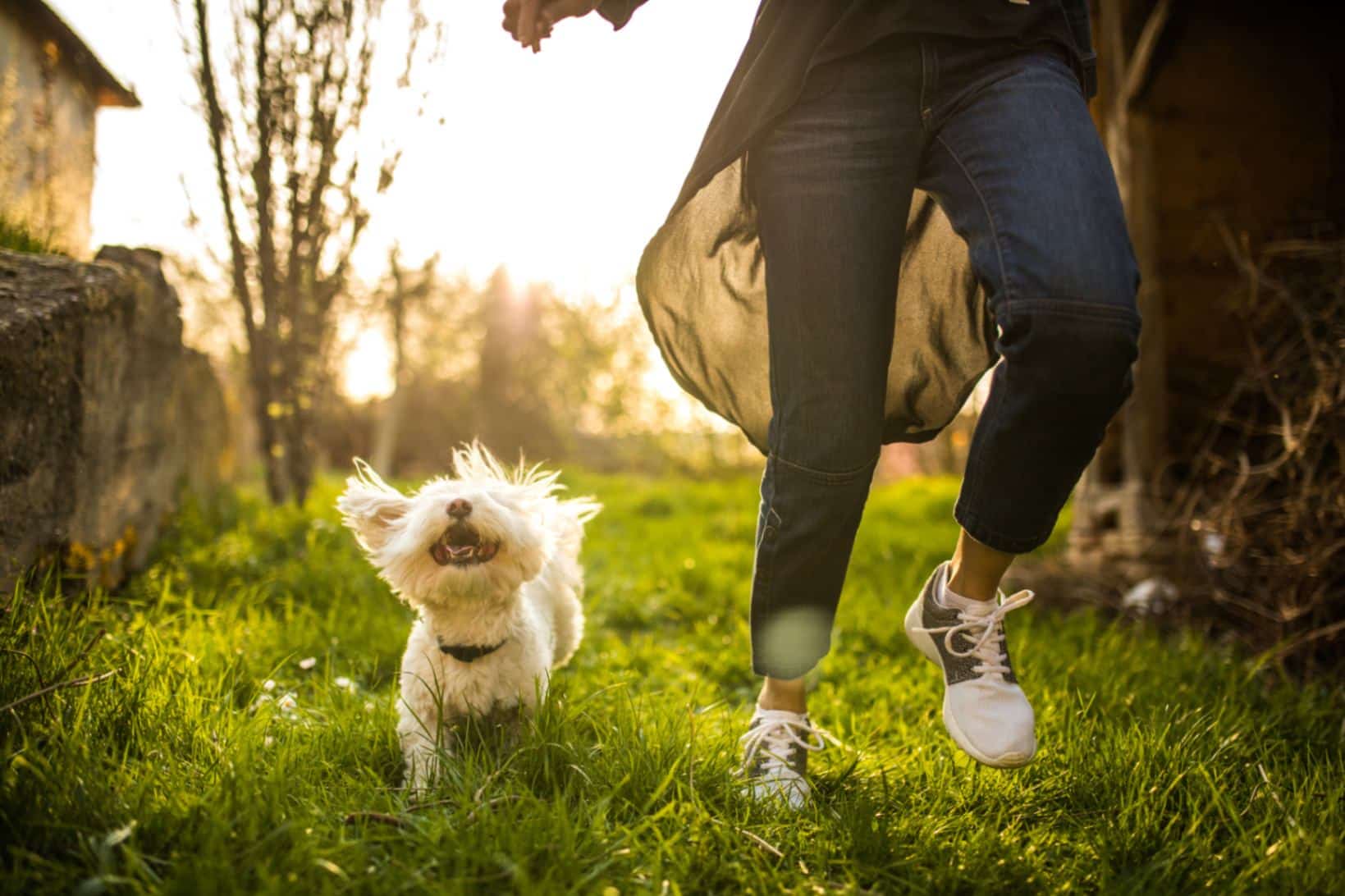
Inviting people into my home always feels exciting, but that excitement doubles when I remember I share my space with a high-energy dog. My dog greets life at full speed, and guests are no exception. Instead of hoping everything will magically go smoothly, I take time to prepare both my dog and my visitors for what to expect.
I usually give my guests a friendly heads-up before they arrive. I let them know my dog is enthusiastic, affectionate, and sometimes a little over-the-top at first. This simple conversation prevents awkward surprises and allows nervous guests to mentally prepare. It also opens the door for them to tell me if they are uncomfortable around dogs, allergic, or prefer limited interaction.
Being upfront has saved me from stressful moments. Guests appreciate honesty, and I appreciate not having to apologize repeatedly for normal dog behavior. Setting expectations early makes the entire visit feel intentional rather than chaotic.
Burning Off Energy Before Guests Arrive
An energetic dog with pent-up excitement is a recipe for flying paws and accidental collisions. On days when I know visitors are coming, I prioritize exercise. A long walk, a game of fetch, or structured playtime helps release that initial surge of energy.
Physical activity alone is not always enough, so I often add a little mental stimulation. Puzzle toys, basic obedience drills, or scent games work wonders in tiring out my dog’s mind. After both physical and mental engagement, my dog is far more capable of calm behavior.
This extra effort before the doorbell rings pays off. Instead of bouncing off the walls, my dog greets guests with manageable enthusiasm. The difference between a rested dog and an overstimulated one is dramatic.
Creating A Calm Entry Routine
The front door can feel like the most chaotic spot in the house. The sound of knocking or the doorbell often triggers a burst of barking and sprinting. Rather than reacting in the moment, I developed a consistent entry routine that my dog now recognizes.
Before opening the door, I ask my dog to sit and stay. If that feels too ambitious on particularly exciting days, I use a leash indoors to maintain control. This structure prevents jumping and helps my dog understand that calm behavior is the fastest way to meet new people.
Consistency has been key. I repeat the same steps every single time someone arrives, whether it is a delivery driver or a close friend. Over time, my dog began to associate guests with calm commands instead of chaos.
Giving Guests Clear Instructions
Not everyone knows how to handle an energetic dog. Some people instinctively squeal, wave their hands, or bend down immediately, which can escalate excitement. I take a moment to gently guide my guests through the greeting process.
I ask them to ignore my dog at first. Standing still, avoiding eye contact, and keeping their voices neutral makes a huge difference. Once my dog settles, I give permission for calm petting, usually under the chin or on the chest rather than over the head.
This brief coaching might feel awkward at first, but it transforms the interaction. My dog mirrors the energy in the room, so when guests stay calm, the greeting becomes smoother. Everyone ends up feeling more comfortable.
Using Designated Safe Spaces
Even the most social dog can become overstimulated during long visits. My home has a designated quiet space where my dog can decompress. Sometimes it is a crate, and other times it is a cozy corner with a bed and favorite toys.
I introduced this area gradually, pairing it with positive reinforcement. Treats, praise, and calm energy made the space feel safe rather than restrictive. Now, when the environment becomes too loud or busy, I guide my dog there without resistance.
Having a retreat option benefits everyone. Guests can relax without constant supervision, and my dog can recharge. The atmosphere shifts from frantic to balanced very quickly.
Managing Jumping And Overexcitement
Jumping is one of the most common challenges with energetic dogs. My dog used to leap up with full-body enthusiasm, convinced every visitor arrived specifically to see him. Correcting this behavior required patience and repetition.
I stopped rewarding jumping with attention, even negative attention. Turning my back, crossing my arms, and waiting for four paws on the floor became my standard response. Only after calm behavior did I allow greetings and affection.
Guests needed to follow the same rule for consistency. If one person laughed and petted mid-jump, the training unraveled quickly. Clear communication ensured everyone supported the same boundaries.
Balancing Social Time And Structure
An energetic dog does not automatically mean an out-of-control one. I learned that structure during social gatherings is essential. Instead of allowing my dog to roam freely the entire time, I alternate between supervised interaction and short breaks.
During meals or focused conversations, I often give my dog a chew toy or food puzzle in another area. This provides entertainment without constant engagement. My dog still feels included but is not at the center of attention.
Short training sessions during gatherings also help. Asking for a sit, down, or place command reinforces calm behavior. These micro-moments of structure prevent excitement from spiraling.
Respecting Guests Who Feel Nervous
Not everyone loves dogs, and that is perfectly valid. Some guests have had negative experiences or simply prefer distance. I never take this personally, and I never pressure anyone to interact.
If a guest expresses discomfort, I adjust immediately. That might mean using baby gates, keeping my dog on a leash, or allowing more time in the designated quiet area. My responsibility as a host includes honoring the comfort of everyone in my home.
My dog senses tension, so creating a low-pressure environment helps both sides. With clear boundaries, even hesitant guests often become more relaxed as the visit continues.
Teaching Basic Commands That Make Hosting Easier
Reliable obedience commands have transformed how I host gatherings. Sit, stay, place, and leave it are not just tricks; they are practical tools. Each command gives me a way to redirect energy before it becomes a problem.
Place has been especially helpful. Sending my dog to a specific mat or bed during high-traffic moments creates physical distance without isolation. Guests can move freely while my dog practices impulse control.
Training did not happen overnight. It required consistency, patience, and small victories along the way. The payoff, however, has been enormous during social events.
Monitoring Body Language And Stress Signals
Excitement and stress can look surprisingly similar in dogs. Rapid movements, excessive panting, and hyperfocus on guests sometimes signal overwhelm rather than joy. Paying attention to these subtle cues helps me intervene early.
If I notice stiff posture, persistent barking, or inability to settle, I know it is time for a break. Redirecting my dog to a calmer environment prevents escalation. Ignoring early warning signs almost always leads to bigger behavioral outbursts.
Guests rarely recognize these signals, so I take responsibility for reading the situation. A proactive approach keeps the visit pleasant for everyone involved.
Keeping Valuable Items Out Of Reach
An energetic dog combined with new people can lead to unintended mischief. Shoes, bags, and food often become irresistible temptations. Before guests arrive, I do a quick sweep of common areas.
Clearing surfaces and storing valuables prevents stressful moments. I do not want to scold my dog in front of guests or ask someone to guard their belongings constantly. Prevention feels far more effective than correction.
This simple preparation reduces tension. It allows me to focus on hospitality instead of damage control.
Incorporating Positive Reinforcement Throughout The Visit
Rewarding calm behavior has been one of the most powerful strategies in my home. I keep small treats accessible so I can reinforce good choices in real time. A quiet sit near guests or a relaxed down during conversation earns immediate praise.
Positive reinforcement builds habits faster than constant correction. My dog learns that calmness leads to attention and rewards. Over time, this shifts the default behavior during visits.
Guests often notice the training in action and appreciate the effort. Seeing an energetic dog respond to cues creates confidence and comfort.
Preparing For Longer Gatherings
Hosting short visits is different from managing extended events like dinners or celebrations. Energy levels fluctuate throughout the day, and my dog’s patience can wear thin. Planning ahead prevents surprises.
I schedule additional exercise earlier in the day and maintain predictable feeding times. Routine gives my dog stability even when the environment changes. I also prepare enrichment toys that last longer than a few minutes.
Strategic breaks are essential during lengthy gatherings. A short walk or quiet time away from the group resets the mood. Returning to the social space after a break often results in noticeably calmer behavior.
Teaching Kids How To Interact Safely
Children and energetic dogs can create a whirlwind of movement and noise. Before interactions begin, I set clear guidelines. No running, no screaming near the dog, and no hugging without supervision are non-negotiable rules.
I supervise closely and keep interactions brief at first. Teaching children to offer a flat hand for sniffing and to pet gently encourages positive experiences. These small lessons protect both the dog and the child.
My dog benefits from these boundaries as much as the kids do. Calm, structured introductions reduce overstimulation and prevent accidents.
Accepting That Perfection Is Unrealistic
Even with preparation, structure, and training, unpredictable moments happen. A dropped plate or sudden loud laugh can trigger excitement. I remind myself that hosting with a dog means embracing a bit of imperfection.
Instead of feeling embarrassed, I stay calm and redirect. My energy influences both my dog and my guests. If I remain relaxed, minor mishaps quickly fade into the background.
Guests who care about me usually understand that dogs are part of the household. A little chaos often becomes a funny story rather than a disaster.
Building Better Habits Over Time
Each visit becomes a training opportunity. I reflect afterward on what went well and what needs adjustment. Maybe the entry routine worked beautifully, but the post-dinner period felt chaotic.
Incremental improvements add up. My dog has grown more composed with each gathering because expectations remain consistent. Guests have also learned the routine and adapt quickly.
Hosting with an energetic dog has taught me patience, communication, and preparation. It has strengthened my relationship with my dog in ways I did not anticipate. What once felt overwhelming now feels manageable and even enjoyable.
Enjoying The Process
Life with an energetic dog is vibrant and full of personality. Hosting guests no longer feels like a battle between hospitality and pet ownership. It feels like a carefully choreographed dance that improves with practice.
I have learned that preparation does not eliminate excitement; it channels it. My dog still greets visitors with joy, but that joy is guided rather than chaotic. Guests leave with positive impressions, and my home remains a place of warmth.
Sharing space with both friends and a spirited dog requires effort, but the rewards are worth it. Each successful visit reinforces the idea that balance is possible. With structure, empathy, and consistency, an energetic dog can become part of the hosting experience rather than an obstacle to it.
