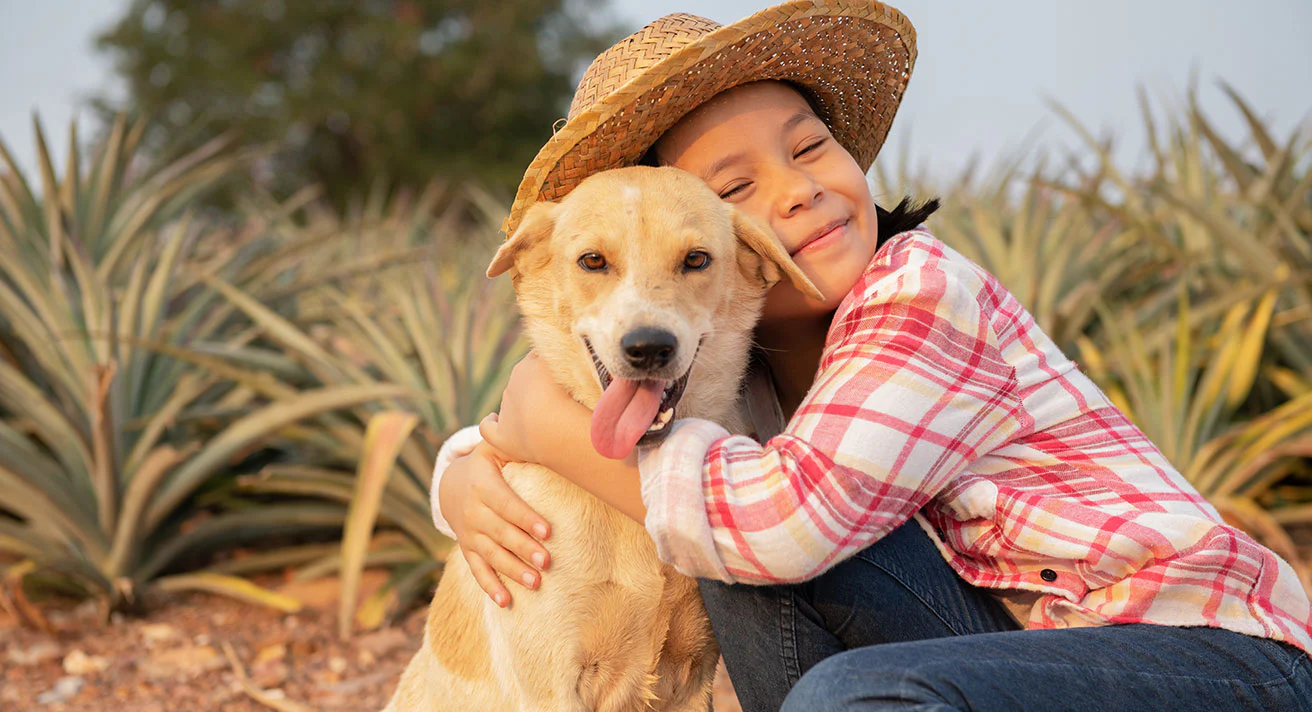
Bringing children and dogs together under one roof is one of the most rewarding experiences I have ever had, but it also demands intention, structure, and daily effort. A home shared by kids and dogs is lively, loud, and full of motion, which can be wonderful and overwhelming at the same time. Safety does not happen by accident in that kind of environment. It grows out of consistent guidance, clear boundaries, and respect for both the child and the dog as individuals with needs and limits.
I have seen how powerful the bond between a child and a dog can be. They become playmates, confidants, and silent companions during tough days. Still, I never assume that love alone guarantees safety. My role as the adult is to supervise, teach, and step in before small issues turn into big ones.
Building The Foundation From Day One
The tone of the relationship between my kids and my dog is set early. I establish simple household rules before they even begin interacting freely. My children learn that the dog is not a toy, not a pillow, and not a climbing structure. At the same time, my dog learns that children are part of the family and not unpredictable intruders.
Consistency shapes everything. I correct rough handling immediately, even if it seems minor, because habits form quickly. I also reinforce calm behavior in my dog around the kids, rewarding relaxed body language and gentle responses. By doing this repeatedly, I create an environment where respect becomes second nature rather than an occasional reminder.
I avoid leaving interactions to chance. Even during playtime, I stay within earshot and often within arm’s reach, especially with younger children. Supervision is not about mistrust. It is about guiding both sides toward positive patterns that will last for years.
Teaching Children How To Interact Respectfully
Children are naturally curious, and that curiosity can lead to grabbing ears, hugging too tightly, or startling a resting dog. I make it a priority to teach my kids how to read basic canine body language. They learn that a wagging tail does not always mean happiness and that a stiff body or turned head can signal discomfort. These lessons are repeated often in simple, age-appropriate language.
I show them how to approach the dog calmly. Running and shrieking may be fun for children, but it can trigger anxiety or overexcitement in a dog. We practice walking slowly toward the dog, letting him sniff a hand, and petting gently along the back instead of patting the head. Repetition turns these practices into habits.
Boundaries are explained clearly and enforced consistently. My kids know not to disturb the dog while he is eating, sleeping, or chewing on a favorite toy. Respecting those quiet moments prevents many common conflicts. Over time, my children begin to anticipate the dog’s needs instead of reacting impulsively.
Teaching Dogs To Be Gentle With Children
Dogs also need guidance to navigate life with kids. Even the sweetest dog can become overwhelmed by sudden movements or high-pitched laughter. I dedicate time to obedience training so that my dog responds reliably to basic commands like sit, stay, leave it, and come. These commands become tools that help me manage situations before they escalate.
Impulse control is especially important. I work on exercises that teach my dog to wait patiently, whether it is before going through a door or receiving a treat. That patience translates well into interactions with children. A dog who can pause and look to me for direction is far less likely to react impulsively.
Positive reinforcement shapes behavior more effectively than punishment. I reward calmness around the kids and redirect unwanted behavior without yelling or physical correction. This builds trust and helps my dog associate children with positive experiences rather than tension or fear.
Creating Safe Spaces For Everyone
Shared spaces are wonderful, but personal space is equally important. My dog has a designated area where he can retreat without being followed. It might be a crate, a bed in a quiet corner, or a gated section of the house. My children are taught that this area is off-limits, no exceptions.
Kids also need places where they can play without being knocked over by an excited dog. I use baby gates or playpens when necessary to manage energy levels. Physical barriers are not signs of failure. They are practical tools that allow everyone to coexist more peacefully.
Structured separation is especially helpful during high-energy moments. If friends come over or excitement runs high, I may give my dog a break in a quiet room. That pause prevents overstimulation and protects both the children and the dog from accidental harm.
Supervising Without Hovering
Supervision does not mean hovering anxiously over every interaction. I aim to be present and attentive while allowing natural bonding to unfold. I watch for subtle signs of stress in my dog, such as lip licking, yawning, or turning away. I also monitor my children for escalating excitement or rough play.
If I notice tension building, I intervene calmly and redirect the situation. Sometimes that means suggesting a quieter game or asking my dog to lie down nearby. Early intervention keeps small misunderstandings from turning into negative experiences.
As my children grow older and demonstrate responsible behavior, I gradually allow more independence. Trust is earned through consistent, respectful interactions. Even then, I never completely remove supervision, because circumstances can change quickly.
Managing High-Energy Play Safely
Play is essential for bonding, but it must be structured thoughtfully. Games like fetch in the yard or hide-and-seek indoors can be wonderful outlets for energy. I avoid games that encourage chasing children or tugging at clothing, because those habits can become problematic.
I set clear start and stop cues for playtime. My dog learns that play begins only when invited and ends when I say so. This clarity prevents frustration and teaches self-control. My children also learn to stop immediately if I call a break.
Roughhousing between adults and dogs might look harmless, but it can confuse a child who tries to imitate it. I model the kind of interaction I want my kids to copy. Gentle, predictable play builds trust and keeps everyone safe.
Navigating Different Developmental Stages
Toddlers, preschoolers, and older children interact with dogs in very different ways. With toddlers, I maintain the closest supervision because their movements are unsteady and their impulses are strong. I often keep a physical barrier between them and the dog unless I am directly involved in the interaction.
Preschool-aged children begin to grasp rules more clearly, but they still need frequent reminders. I use simple explanations and consistent consequences to reinforce respectful behavior. Patience is key, because children learn through repetition.
Older children can take on more responsibility. They may help with feeding, brushing, or short training sessions under my guidance. Involving them in care fosters empathy and strengthens the bond, but I always ensure that tasks are age-appropriate and supervised.
Preventing Resource Guarding And Conflict
Resource guarding can be a serious concern in homes with children. I pay attention to how my dog reacts around food, toys, and resting spots. If I notice stiffness or protective behavior, I address it immediately through training and, if necessary, professional guidance.
Feeding time is structured carefully. My dog eats in a separate space where children cannot interfere. I teach my kids that a dog’s bowl is never to be touched, even if it appears empty. Clear separation during meals reduces risk significantly.
Toys can also become points of tension. I keep children’s toys and dog toys distinct and stored separately. This prevents confusion and protects both the dog’s possessions and the child’s belongings from becoming contested items.
Modeling Calm And Respect
Children absorb more from what they observe than from what they are told. I make a conscious effort to model calm interactions with my dog. I avoid yelling, harsh corrections, or rough handling, because those behaviors teach children that force is acceptable.
Instead, I demonstrate patience and clear communication. If my dog makes a mistake, I redirect him calmly and reinforce the desired behavior. My children see that leadership does not require intimidation.
This modeling extends to how I speak about the dog. I refer to him as a member of the family with feelings and needs. That language shapes how my children perceive and treat him.
Preparing For Visitors And Busy Days
Busy households bring additional challenges. On holidays or during gatherings, excitement can overwhelm even a well-trained dog. I plan ahead by ensuring my dog has a quiet retreat and that my children know the rules about supervising friends around him.
I communicate expectations clearly to visiting children and their parents. Not every child is familiar with safe dog behavior, so I do not assume prior knowledge. A brief explanation before play begins can prevent misunderstandings.
During particularly chaotic moments, I do not hesitate to separate my dog from the crowd. Protecting his comfort protects everyone’s safety. Short breaks can make a big difference in maintaining a positive atmosphere.
Seeking Professional Guidance When Needed
No parent or dog owner has all the answers. If behavioral concerns arise, I consult a qualified trainer or veterinarian. Early intervention can prevent minor issues from developing into serious problems.
Professional guidance provides tailored strategies based on my dog’s temperament and my children’s ages. It also reassures me that I am taking responsible steps. Asking for help is not a sign of failure but of commitment to safety.
In some cases, structured training classes that welcome families can be particularly beneficial. They allow children to learn appropriate handling under expert supervision while strengthening obedience skills in the dog.
Fostering A Lifelong Bond
The goal is not just preventing accidents. I want my children and my dog to build a relationship rooted in trust and affection. Shared routines like evening walks or quiet reading time with the dog nearby create meaningful connections.
I encourage gentle affection and celebrate moments of kindness. When my child remembers to give the dog space or offers a calm command successfully, I acknowledge that effort. Positive reinforcement works for humans just as well as it does for dogs.
Over time, I see mutual respect deepen. My dog looks to my children with familiarity rather than uncertainty, and my kids recognize subtle shifts in his mood. That awareness is the true marker of a safe, thriving relationship.
Raising kids and dogs together safely is an ongoing process rather than a one-time achievement. It requires vigilance, patience, and a willingness to adjust as both children and dogs grow and change. Through structure, supervision, and empathy, I create a home where laughter and wagging tails coexist without unnecessary risk. The work is continuous, but the reward of watching that bond flourish makes every effort worthwhile.
