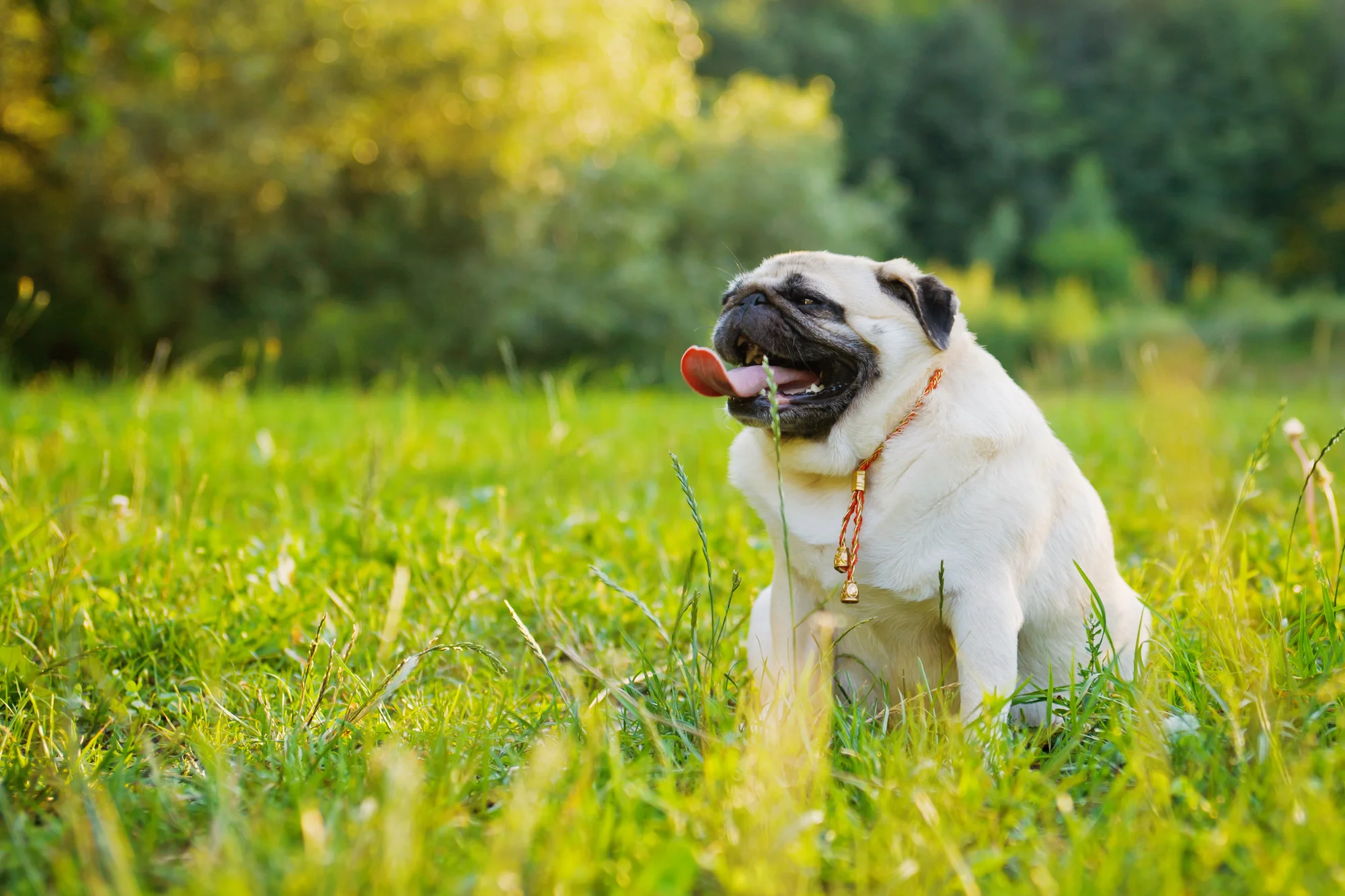
I have met countless dog owners who adore their pets yet struggle to recognize when a few extra pounds have quietly turned into a real health concern. Extra weight rarely appears overnight. It creeps in gradually, hidden beneath fluffy fur and excused by the belief that a “little chubby” looks cute. Over time, that softness can place serious strain on joints, organs, and overall quality of life.
Watching my own dog change over the years taught me that weight management is not about vanity. It is about comfort, mobility, and longevity. Dogs cannot tell us when their knees ache or when climbing the stairs feels harder than it should. It is up to us to notice the signs and take action before the scale tips too far.
Why A Few Extra Pounds Matter More Than You Think
Excess weight affects nearly every system in a dog’s body. I once assumed that a bit of extra padding would not cause much harm, especially if my dog still seemed playful. What I did not see at the time was how additional fat increases pressure on joints, strains the heart, and can lead to metabolic issues.
Overweight dogs are at higher risk for arthritis, diabetes, breathing difficulties, and even certain cancers. Carrying extra pounds makes everyday activities more taxing. Simple joys like running in the park or jumping onto the couch become more difficult, and sometimes painful.
Dogs also tend to hide discomfort. They adapt quietly, moving less or sleeping more instead of showing obvious signs of pain. That subtle shift in behavior is often the first clue that weight may be playing a role.
The Visual Signs I Learned To Notice
The mirror never lies, but fur can be deceiving. I started by looking at my dog from above while she stood still. A healthy dog typically has a visible waist behind the ribs, creating a slight inward curve before the hips. When that curve disappears and the body looks more oval than hourglass-shaped, it may signal excess weight.
Viewing from the side provides another perspective. A dog at a healthy weight should have a tucked abdomen that slopes upward from the ribcage toward the hind legs. If the belly hangs low or appears straight across, that is a sign worth paying attention to.
Neck and tail base thickness also reveal important information. Fat often accumulates around the neck, making collars feel tighter over time. The base of the tail can become padded, losing the defined structure that is easier to feel in a lean dog.
The Rib Test That Changed Everything For Me
One of the simplest tools I learned is the rib test. I gently place my hands along my dog’s ribcage and run my fingers across. In a dog at a healthy weight, ribs should be easy to feel under a thin layer of fat, similar to running your fingers over the back of your hand.
If I have to press firmly to locate the ribs, that usually indicates excess fat covering them. On the other hand, if ribs are highly visible and feel sharp, that may suggest the dog is underweight. The goal is balance, not extremes.
This hands-on method helped me move past visual guesswork. Fluffy coats can create illusions, but touch gives honest feedback.
Behavioral Changes That Signal A Problem
Weight gain does not only show up physically. I noticed that my dog became less eager to chase toys and more reluctant to go on long walks. At first, I assumed it was normal aging. Over time, I realized the extra weight was contributing to her decreased stamina.
Overweight dogs may pant more quickly during mild activity. They may lie down sooner during play or hesitate before jumping into the car. Subtle signs like avoiding stairs or preferring shorter routes on walks can indicate that carrying extra pounds is uncomfortable.
Sleep patterns can shift as well. A dog that seems lethargic or unusually tired may not simply be calm. Reduced energy can be a byproduct of excess weight making movement more taxing.
Body Condition Score And Why It Helps
Veterinarians often use a Body Condition Score chart to assess a dog’s weight. This system typically ranges from 1 to 9, with 1 being severely underweight and 9 being obese. A score of 4 or 5 is generally considered ideal.
Using this scale gave me a more objective way to evaluate my dog. Instead of guessing based on appearance alone, I compared her shape and rib coverage to standardized descriptions. That structure helped remove emotion from the assessment.
Bringing this up during vet visits also sparked meaningful conversations. My veterinarian could confirm whether my observations were accurate and provide guidance tailored to my dog’s breed and age.
Breed And Age Influence The Picture
Not all dogs are built the same. A Labrador Retriever has a different natural body shape than a Greyhound, and comparing the two can lead to confusion. I learned to research breed-specific standards to understand what healthy truly looks like for my own dog.
Puppies, adults, and senior dogs also have different nutritional and activity needs. Puppies may appear round during growth spurts, while senior dogs can gain weight as metabolism slows. Recognizing these life stage differences helps avoid misinterpretation.
Even mixed-breed dogs can inherit body traits from multiple lineages. Observing bone structure and muscle tone offers clues beyond simple weight numbers.
The Scale Tells Part Of The Story
Stepping on the scale with my dog in my arms and subtracting my weight became a routine habit. While numbers are helpful, they do not tell the whole story. Muscle weighs more than fat, and active dogs may weigh more than expected without being overweight.
Tracking trends over time is more useful than focusing on a single reading. A steady upward climb over several months signals a need for adjustment. Sudden weight gain, however, can indicate medical issues and warrants a veterinary check.
Combining scale data with visual assessment and the rib test provides a fuller picture. Relying on one method alone can be misleading.
How Feeding Habits Contribute To Weight Gain
I once underestimated how quickly small extras add up. Table scraps, frequent treats, and generous portion sizes quietly contributed to weight gain. Measuring food precisely instead of eyeballing portions made a noticeable difference.
Treats should make up only a small percentage of daily caloric intake. It surprised me how calorie-dense some dog treats are compared to regular kibble. Switching to healthier alternatives and reducing frequency helped maintain balance without sacrificing training rewards.
Free feeding, where food is available all day, can also encourage overeating in some dogs. Scheduled meals create structure and make it easier to monitor intake.
Exercise Patterns That Reveal Weight Issues
Activity level and weight are closely connected. A dog that becomes overweight may naturally reduce movement, which then worsens the problem. I noticed that longer walks gradually turned into shorter ones, and play sessions felt less energetic.
Reintroducing consistent exercise required patience. Starting with gentle, manageable walks and gradually increasing intensity helped avoid strain. Swimming, if accessible, offers low-impact exercise that is easier on joints.
Consistency matters more than intensity. Regular daily movement supports both weight control and mental stimulation.
Medical Conditions That Can Mimic Weight Gain
Not all weight gain stems from overfeeding. Hormonal disorders such as hypothyroidism can slow metabolism and cause unexpected increases. If diet and exercise adjustments do not lead to improvement, medical evaluation is essential.
Fluid retention can also create the appearance of weight gain. Swelling in the abdomen or limbs may signal underlying issues that need prompt attention. I learned never to assume laziness or indulgence without ruling out health concerns.
A thorough exam and possibly blood tests can clarify the cause. Addressing root problems ensures that weight management strategies are effective and safe.
Emotional Factors Behind Overfeeding
Food often becomes a love language between dogs and their owners. I have caught myself offering treats simply because my dog looked at me with hopeful eyes. It is easy to equate feeding with bonding.
Replacing food-based rewards with playtime, praise, or grooming sessions strengthens connection without adding calories. Dogs crave interaction more than snacks. Recognizing my own habits helped me shift the dynamic.
Setting boundaries does not mean withholding affection. It means prioritizing long-term well-being over momentary indulgence.
Practical Steps To Help An Overweight Dog
Once I recognized that my dog had gained too much weight, I committed to gradual change. Abrupt calorie restriction can be harmful, so I consulted my veterinarian for guidance. We adjusted portion sizes and selected a balanced, lower-calorie formula.
Increasing physical activity slowly prevented injury. Short, frequent walks built endurance without overwhelming her joints. Over time, stamina improved, and enthusiasm returned.
Monitoring progress weekly kept me accountable. Small improvements motivated me to stay consistent and patient.
Signs That Your Dog Is Returning To A Healthy Weight
As weight decreases, subtle changes appear. I began to feel ribs more easily under my fingers. The waistline slowly re-emerged, and the belly tuck became visible again.
Energy levels improved noticeably. My dog initiated play more often and seemed eager to explore during walks. Reduced panting during mild activity was another encouraging sign.
These improvements reinforced that weight management is worth the effort. A healthier body supports a happier spirit.
Maintaining Long-Term Balance
Weight control does not end once a target is reached. Routine monitoring prevents relapse. I continue performing the rib test and observing body shape regularly.
Adjusting portions based on activity level helps maintain stability. Seasonal changes can influence exercise habits, so I stay mindful during colder months when outdoor time may decrease.
Long-term success depends on consistency. Healthy habits become part of daily life rather than temporary fixes.
Final Thoughts On Protecting Your Dog’s Health
Dogs rely entirely on us to make wise decisions on their behalf. Extra weight may seem harmless at first glance, but it can quietly compromise comfort and lifespan. Recognizing early signs empowers us to intervene before serious complications arise.
By observing body shape, performing hands-on checks, tracking weight trends, and evaluating behavior, we gain valuable insight into our dog’s condition. Open communication with a trusted veterinarian adds professional guidance to our efforts.
A healthy weight allows dogs to run freely, climb stairs with ease, and greet each day with enthusiasm. Paying attention now can add years of joyful companionship later.
