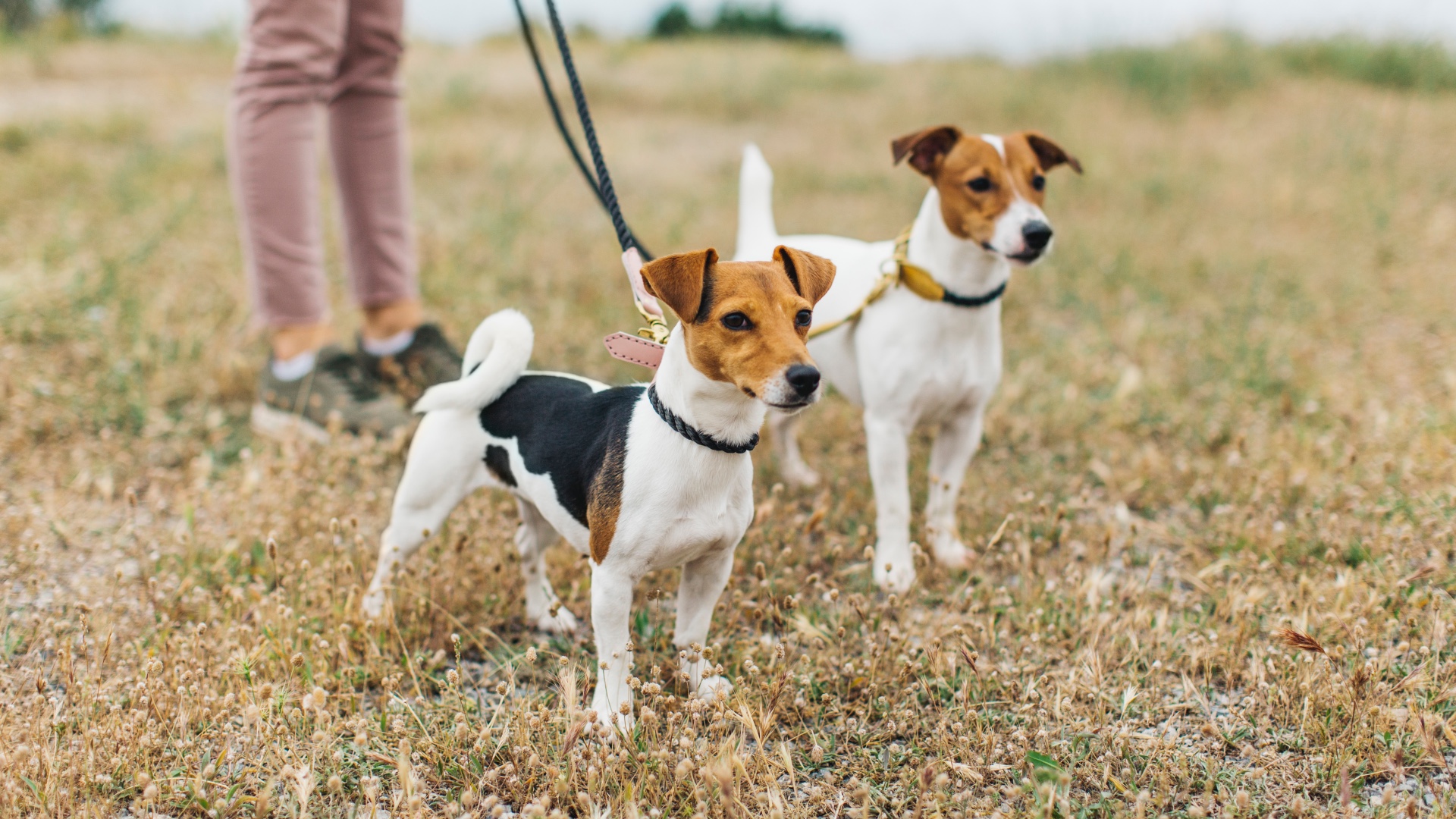
Leash training looks simple from the outside. Clip a leash onto a collar, head out the door, and expect your puppy to trot happily beside you. That expectation unravels quickly once the pulling starts, the zigzagging begins, and the sidewalk turns into a battlefield of distractions. I have walked that road with more than one puppy, and I have made my share of mistakes along the way.
Those early walks taught me that leash training is less about control and more about communication. Puppies are not born knowing how to move politely beside a human. They are curious, impulsive, and driven by scent and movement. Without clear guidance and patience, those natural instincts clash with our idea of a calm stroll.
Many new owners unknowingly make the same missteps. I know I did. Looking back, I can see how small habits and unrealistic expectations slowed progress and confused my puppy. Here are the most common leash training mistakes I have witnessed and experienced, along with what I have learned from each one.
Expecting Instant Results
One of the biggest mistakes I made was assuming leash training would click within a few days. I thought consistency alone would guarantee quick results. Instead, I found myself frustrated when my puppy continued to pull after a week of daily walks.
Puppies are babies with short attention spans and developing brains. They are processing new sounds, smells, textures, and sights all at once. Expecting flawless leash manners while they are still adjusting to the world sets both of us up for disappointment. Progress happens in layers, not overnight transformations.
Once I shifted my mindset and treated leash training as a long-term process, my patience improved. I began celebrating small wins, like a few steps without pulling or a calm pause at a curb. Those tiny victories added up faster than I expected once I stopped rushing the journey.
Starting In Overwhelming Environments
Another mistake I made early on was taking my puppy straight into busy areas. I imagined that exposure would speed up socialization and leash manners at the same time. Instead, the noise, people, and other dogs sent my puppy’s excitement through the roof.
High-distraction environments make it almost impossible for a young dog to focus. A puppy that cannot pay attention to me in the living room certainly will not succeed on a crowded sidewalk. I learned that building skills in quiet, familiar spaces creates a foundation that holds up outdoors.
Practicing inside the house or in a calm backyard gave us a chance to work on loose leash walking without competing with squirrels and traffic. Gradually increasing distractions made a dramatic difference. By the time we returned to busier areas, my puppy already understood what I was asking.
Using The Wrong Equipment Too Soon
In my impatience, I experimented with different collars and tools, hoping one of them would magically stop pulling. I switched from a flat collar to various no-pull options before my puppy even understood basic leash pressure. That constant change created confusion rather than clarity.
Equipment can support training, but it cannot replace it. A tool without proper introduction and positive association often leads to resistance. My puppy would freeze, scratch at the harness, or pull even harder because the sensation felt strange.
Once I settled on one properly fitted harness and stuck with it, training became more consistent. I focused on teaching my puppy what gentle leash pressure meant. Instead of relying on gear to solve the issue, I used it as a supportive aid while reinforcing desired behavior.
Letting Pulling Move Us Forward
Allowing pulling to continue the walk is a mistake I see frequently, and I was guilty of it too. Each time my puppy dragged me toward a fascinating smell and I followed along, I unintentionally rewarded the pulling. From my puppy’s perspective, tension on the leash worked perfectly.
Dogs repeat behaviors that get results. If pulling leads to forward motion, it becomes a habit quickly. I had to remind myself that every step taken while the leash was tight strengthened the wrong lesson.
Stopping immediately when the leash tightened changed everything. At first, it felt tedious because we barely moved. Over time, my puppy realized that a loose leash was the only way to reach interesting destinations. Consistency made the rule clear without harsh corrections.
Inconsistent Rules From Day To Day
Consistency sounds simple, yet I struggled with it more than I expected. Some days I insisted on perfect loose leash walking. Other days, when I was tired or in a hurry, I allowed pulling. That inconsistency blurred the boundaries for my puppy.
Puppies thrive on predictable patterns. If the rules change based on my mood or schedule, confusion follows. My mixed signals slowed progress because my puppy never knew which behavior would be accepted.
Creating a clear standard helped. If the leash tightened, we stopped or changed direction every single time. That steady response built clarity and trust. My puppy began offering the correct behavior more frequently because the outcome was always the same.
Skipping Positive Reinforcement
Early on, I focused so much on correcting mistakes that I forgot to reward success. I noticed pulling immediately, but I often missed moments when the leash was loose. That imbalance made training feel negative and frustrating for both of us.
Puppies need feedback that tells them what they are doing right. Praise, treats, or even cheerful encouragement create motivation. When I began actively rewarding loose leash walking, my puppy’s enthusiasm shifted.
Instead of scanning the environment for distractions, my puppy started checking in with me more often. That engagement built a stronger connection. The walk transformed from a tug-of-war into a cooperative activity.
Holding The Leash Too Tightly
I used to grip the leash like a rope in a storm. My tension traveled down the leash and straight into my puppy’s body. The tighter I held on, the more reactive and restless my puppy became.
Dogs are highly sensitive to physical cues. A constant tight leash signals that something is wrong or that resistance is expected. Relaxing my grip and allowing a natural curve in the leash reduced that underlying tension.
Once I became aware of my own body language, I noticed how much it influenced our walks. Standing tall, breathing steadily, and keeping the leash relaxed created a calmer atmosphere. My puppy mirrored that calm more often than I anticipated.
Walking Too Long For A Young Puppy
I underestimated how exhausting walks can be for a young dog. Longer outings seemed like a good way to burn energy. In reality, overtired puppies lose impulse control quickly.
After about fifteen or twenty minutes, my puppy’s ability to focus declined sharply. Pulling, biting the leash, and sudden bursts of energy were often signs of fatigue rather than stubbornness. Short, positive sessions proved far more effective.
Gradually increasing the duration as my puppy matured worked better than pushing endurance too soon. Ending on a successful note reinforced good habits. It also prevented walks from turning into stressful battles.
Ignoring Mental Stimulation
Physical exercise alone does not satisfy a puppy’s needs. I learned that a mentally engaged puppy walks more politely. Sniffing breaks, basic obedience cues, and short training games during the walk kept my puppy’s brain active.
When I tried to rush through walks without pauses, frustration built up. My puppy would pull harder to reach scents and explore. Allowing structured sniffing time reduced that urgency.
Balancing movement with mental engagement created harmony. My puppy felt heard and stimulated, while I maintained structure. That balance minimized power struggles and made our outings more enjoyable.
Comparing Progress To Other Dogs
Comparison can quietly sabotage confidence. I remember watching other dogs stroll calmly beside their owners and wondering why mine struggled. That comparison fueled self-doubt and impatience.
Every puppy develops at a different pace. Breed traits, personality, and past experiences all shape behavior. Measuring my puppy against others distracted me from recognizing our own progress.
Once I focused solely on our journey, I noticed steady improvement. Celebrating personal milestones strengthened my bond with my puppy. Progress felt more meaningful without the pressure of comparison.
Reacting Emotionally To Setbacks
Frustration creeps in when progress stalls. I have felt that surge of irritation when my puppy suddenly regressed after a good week. Raising my voice or tightening the leash in response never improved the situation.
Puppies sense emotional shifts quickly. My frustration often made my puppy anxious or more excitable. That emotional feedback loop escalated minor setbacks into bigger struggles.
Pausing to reset my own mindset changed everything. A deep breath and a calmer tone restored cooperation. Setbacks became part of the process rather than signs of failure.
Neglecting Practice Without Distractions
I assumed that leash manners would naturally transfer from one environment to another. After success in the backyard, I expected the same behavior at the park. That assumption proved unrealistic.
Dogs do not automatically generalize skills. Practicing in multiple low-distraction locations helped solidify the lesson. Each new setting required patience and gradual exposure.
By building reliability step by step, I avoided overwhelming my puppy. Consistent practice in varied but manageable environments created resilience. Over time, the behavior became more dependable even amid distractions.
Forgetting To Teach Check-Ins
Eye contact and voluntary attention are powerful tools. Early in training, I focused mostly on stopping pulling. I did not actively teach my puppy to check in with me during walks.
Encouraging spontaneous eye contact with praise and rewards strengthened communication. Each glance in my direction became an opportunity to reinforce connection. That habit reduced wandering and random lunging.
Teaching check-ins turned walks into conversations. My puppy began seeking guidance instead of forging ahead independently. That subtle shift transformed the entire dynamic.
Overcorrecting Minor Mistakes
Small missteps are part of growth. I used to correct every slight deviation from perfect heel position. That constant correction created tension and reduced confidence.
Allowing a reasonable amount of freedom within boundaries produced better results. A loose leash mattered more than exact positioning. Focusing on the bigger picture reduced stress for both of us.
Balance between structure and flexibility made training sustainable. My puppy learned the core rule without feeling micromanaged. That freedom encouraged relaxed cooperation.
Giving Up Too Soon
Leash training challenges patience more than I expected. There were moments when I felt tempted to avoid walks altogether or rely on quick fixes. Pushing through those phases made a lasting difference.
Consistency over weeks and months shaped habits that felt impossible at the start. Puppies mature, impulse control strengthens, and repetition builds clarity. Staying committed allowed progress to unfold naturally.
Looking back, I see that many mistakes stemmed from unrealistic expectations and emotional reactions. Once I embraced patience, structure, and positive reinforcement, leash training became less about control and more about partnership. Walks evolved into shared experiences rather than tests of endurance.
Leash training is not a straight line. Some days feel effortless, while others test resolve. By recognizing common mistakes and adjusting with intention, new owners can avoid unnecessary frustration. With time, empathy, and consistency, a puppy can grow into a confident companion who walks beside you with trust and ease.
