Bringing a puppy home changes everything in the best possible way. The tiny paws, the clumsy zoomies, the sleepy sighs after a long day of play—they all come with one big responsibility: protecting that little life from preventable diseases. Vaccinations are one of the most important steps I take to give my puppy a healthy start. They are not just routine vet appointments; they are the foundation of long-term wellness.
I remember staring at my puppy’s vaccination schedule for the first time and feeling slightly overwhelmed by all the abbreviations. DHPP, rabies, Bordetella—it felt like a foreign language. Over time, I realized that once I broke it down, the process was straightforward. What matters most is knowing what each vaccine does, when it is given, and why timing plays such a critical role.
This guide walks through everything I’ve learned about puppy vaccinations, from core vaccines to optional ones, typical timelines, side effects, and how to prepare for each visit. My goal is to make this feel manageable and clear, so you can walk into your vet’s office feeling confident rather than confused.
Why Vaccinations Matter So Much
Puppies are born with immature immune systems, which makes them especially vulnerable to infectious diseases. During their first few weeks of life, they rely heavily on antibodies passed down from their mother’s milk. Those maternal antibodies offer temporary protection, but they fade over time. As that protection declines, a gap forms where puppies can easily get sick if they are not vaccinated.
Vaccines work by safely exposing the immune system to a weakened or inactive form of a virus or bacteria. This exposure trains the body to recognize and fight the real disease if it ever encounters it. I like to think of vaccines as practice drills for the immune system, giving it the tools it needs before a real threat appears.
Some diseases prevented by vaccines are not just uncomfortable—they can be fatal. Parvovirus, for example, spreads rapidly and can devastate young puppies in a matter of days. Rabies is almost always fatal once symptoms appear and also poses a serious risk to humans. Knowing that these risks exist makes vaccination feel less like a choice and more like an essential step in responsible pet ownership.
Core Vaccines Every Puppy Needs
Veterinarians divide vaccines into two main categories: core and non-core. Core vaccines are considered essential for all puppies, regardless of lifestyle or location. These protect against highly contagious and potentially deadly diseases.
The most common core vaccine combination is DHPP. This single shot covers four diseases: distemper, hepatitis (adenovirus), parvovirus, and parainfluenza. Distemper can affect a puppy’s respiratory, gastrointestinal, and nervous systems, often with severe consequences. Parvovirus attacks the intestines and can lead to life-threatening dehydration and infection. Hepatitis impacts the liver, while parainfluenza contributes to respiratory illness.
Rabies is another core vaccine, and in many places, it is legally required. Rabies affects the nervous system and is transmissible to humans and other animals. Because of its severity and public health risk, most states mandate rabies vaccination by a certain age.
These core vaccines form the backbone of a puppy’s preventive care plan. Whenever I talk to new puppy owners, I always stress that skipping core vaccines is not worth the risk.
Non-Core Vaccines Based on Lifestyle
Non-core vaccines are recommended based on a puppy’s environment, lifestyle, and risk of exposure. Not every puppy will need all of them, but many benefit from at least one additional vaccine beyond the core set.
Bordetella, often referred to as kennel cough vaccine, is commonly recommended for puppies who will attend daycare, training classes, grooming appointments, or boarding facilities. These environments bring dogs into close contact, which makes respiratory infections more likely. If my puppy is going to socialize frequently, I usually discuss Bordetella with my vet early on.
Leptospirosis is another non-core vaccine that has become more widely recommended in recent years. Lepto is spread through contaminated water and wildlife urine, and it can affect both dogs and humans. In areas with high wildlife activity or frequent rainfall, this vaccine becomes especially important.
Some regions also recommend vaccines for Lyme disease or canine influenza. These depend heavily on geographic location. I always ask my veterinarian about the specific risks in my area rather than assuming what is or is not necessary.
The Typical Puppy Vaccination Schedule
Timing is everything with puppy vaccinations. Because maternal antibodies can interfere with vaccine effectiveness, puppies receive a series of shots rather than a single dose. This ensures they develop strong, lasting immunity.
Most puppies begin their vaccination series at six to eight weeks of age. The DHPP vaccine is usually given every three to four weeks until the puppy is around 16 weeks old. This often means visits at 8, 12, and 16 weeks, though exact timing can vary slightly.
Rabies is typically administered between 12 and 16 weeks, depending on local regulations. After the initial series, booster shots are required. DHPP boosters are often given one year later and then every one to three years. Rabies boosters follow legal guidelines, which may require annual or triennial vaccination.
I keep a printed and digital copy of my puppy’s vaccination record. Staying organized helps me avoid missing booster appointments and ensures I can provide proof of vaccination when needed for travel or boarding.
What Happens During a Vaccination Appointment
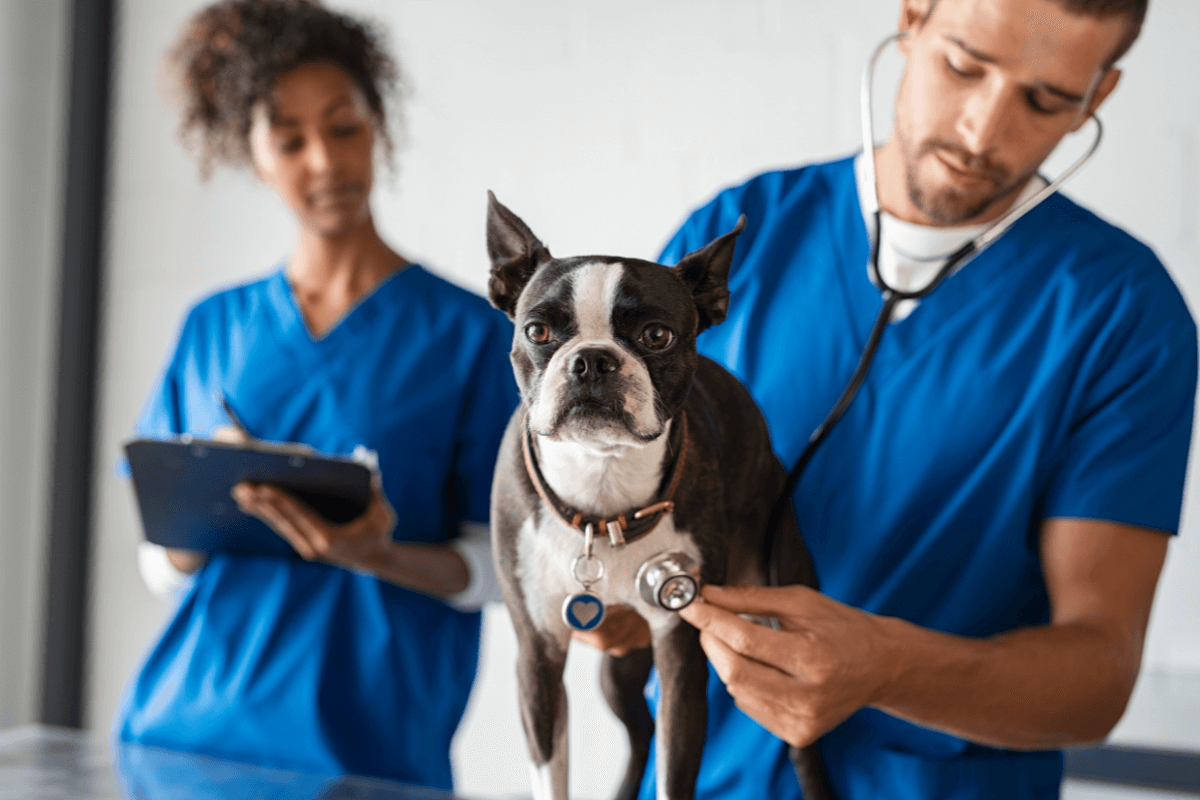
A vaccination visit involves more than just a quick injection. My veterinarian performs a thorough physical exam before administering any vaccine. This ensures the puppy is healthy enough to receive the shot safely.
The vet checks weight, heart rate, temperature, and overall condition. If my puppy has been vomiting, coughing, or acting lethargic, the vet might postpone vaccination until recovery. Vaccinating a sick puppy can stress the immune system unnecessarily.
Once cleared, the vaccine is administered, usually under the skin. The entire process is quick, and most puppies react more to the restraint than to the needle itself. I bring treats and offer gentle reassurance, which helps create a positive association with vet visits.
Possible Side Effects and What to Watch For
Most puppies handle vaccines very well, but mild side effects are not uncommon. After a vaccination, I often notice slight sleepiness or reduced appetite for a day. Some puppies may develop mild soreness at the injection site.
Low-grade fever and minor swelling can also occur. These reactions typically resolve within 24 to 48 hours without intervention. I make sure my puppy has a quiet place to rest and avoid intense play during this time.
Severe reactions are rare but require immediate veterinary attention. Signs include facial swelling, persistent vomiting, difficulty breathing, or collapse. If I ever see anything that feels off or alarming, I call the vet right away. Acting quickly can make a significant difference in managing an allergic response.
Socialization and Vaccination Timing
One of the trickiest parts of early puppyhood is balancing vaccination schedules with socialization. Puppies have a critical socialization window that closes around 14 to 16 weeks. During this time, exposure to new people, environments, and safe dogs shapes long-term behavior.
At the same time, incomplete vaccination leaves puppies vulnerable. I navigate this by focusing on controlled, low-risk experiences. Instead of visiting dog parks, I invite vaccinated adult dogs I trust to meet my puppy in a clean, private space.
Puppy training classes that require proof of initial vaccinations are also a great option. Reputable trainers sanitize surfaces and verify vaccine records, reducing risk while allowing safe interaction. With careful planning, it is possible to protect both health and social development.
Cost of Puppy Vaccinations
Budgeting for vaccinations is part of preparing for a puppy. Costs vary depending on location, veterinary clinic, and which vaccines are included. Core vaccine packages are often bundled, which can make them more affordable.
On average, the full puppy vaccination series can range from a few hundred dollars over several months. Rabies vaccines are usually less expensive, while optional vaccines add to the total. I view these costs as an investment rather than an expense.
Some animal shelters and community clinics offer low-cost vaccination events. Pet insurance and wellness plans may also cover routine vaccines. Exploring these options early can make the financial aspect more manageable.
Adult Boosters and Long-Term Protection
Vaccination does not stop after puppyhood. Booster shots maintain immunity and ensure continued protection. The frequency of boosters depends on the specific vaccine and local regulations.
Many core vaccines transition to a three-year schedule after the initial booster at one year. Rabies boosters follow legal requirements, which differ by state or country. Non-core vaccines like Bordetella may require annual or even semiannual updates, especially for dogs in high-contact environments.
I set reminders on my phone and schedule annual wellness exams around booster timelines. Regular checkups allow my vet to assess overall health and update vaccines as needed.
Common Myths About Puppy Vaccines
Over time, I have heard plenty of misconceptions about vaccines. Some people worry that vaccines overload a puppy’s immune system. In reality, puppies encounter countless bacteria and viruses in their environment daily, and vaccines represent only a tiny fraction of that exposure.
Another myth suggests that indoor puppies do not need vaccines. Diseases like parvovirus can survive on surfaces and travel on shoes or clothing. Even limited exposure does not eliminate risk.
Concerns about vaccine safety are understandable, but serious complications are rare compared to the dangers of the diseases themselves. Open communication with a trusted veterinarian helps address specific worries and tailor a plan that feels right.
Preparing for Your Puppy’s First Shots
Preparation makes vaccination days smoother. I schedule appointments at times when the clinic is less crowded to minimize stress. Bringing treats and a favorite toy can help distract and comfort my puppy.
Before the appointment, I monitor my puppy’s health. If I notice diarrhea, coughing, or unusual lethargy, I inform the clinic in advance. Clear communication ensures the safest possible experience.
After returning home, I create a calm environment. Gentle observation over the next day allows me to catch any unusual reactions early. Most of the time, my puppy is back to playful energy by the following morning.
Final Thoughts on Protecting Your Puppy
Vaccinations are one of the first major responsibilities I take on as a puppy owner, and they set the tone for a lifetime of preventive care. While the schedule may seem complex at first glance, each step serves a clear purpose. Protecting against serious diseases gives my puppy the best chance at a long, healthy life.
Staying informed, maintaining open communication with my veterinarian, and adhering to recommended timelines have made the process far less intimidating. The peace of mind that comes from knowing I have done everything possible to safeguard my puppy is worth every appointment and every small pinch from a needle.
Watching a puppy grow from a fragile bundle of fur into a strong, confident dog is one of the most rewarding experiences I know. Vaccinations play a quiet but powerful role in that journey, building invisible shields that allow all the visible joy to flourish.
